Asahikawa
Asahikawa: Nature, Food, Winter Charm
Stroll riverfront parks, taste Asahikawa ramen, and meet penguins at Asahiyama Zoo.
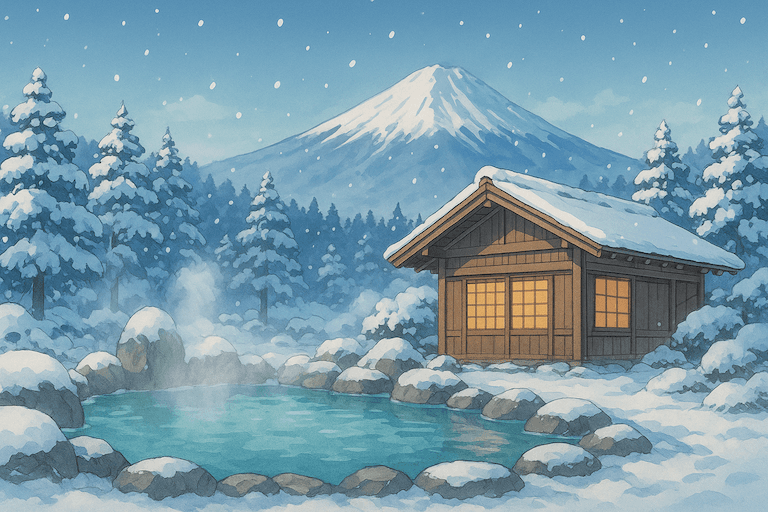
Visit late winter–spring for snow scenes and hiking; soak in Sounkyo hot springs after waterfalls.
Plan your visit—discover food, nature, and easy rail links. Book a weekend trip for seasonal markets.
01 · Overview
Learn about Asahikawa
Asahikawa Overview
Asahikawa: Hokkaido’s Practical, Snow‑Sharpened City
History
Asahikawa began as a frontier post in the late 19th century, born of colonization and the push to develop Hokkaido. It grew around agriculture, timber, and transport — industries that still shape its pragmatic layout and architecture. The city’s name and identity were forged by river routes and the harsh winters that demanded resilience and community cooperation.
Current status
Today Asahikawa is a compact regional center: a transport hub with steady industry, practical shopping streets, and an easygoing pace compared with Sapporo. Winters define much of life here — snow shapes schedules, festivals, and the city’s winter-ready infrastructure — but the city remains pleasantly livable year‑round. It’s the convenient base for mountain access and a quieter counterpoint to Hokkaido’s more touristed towns.
Local culture
Locals prize straightforward hospitality and a hands‑on, outdoorsy sensibility; you’ll find artisans and makers who still work with wood and farm produce. Community festivals and neighborhood markets are places to see everyday Asahikawa: warm, unpretentious, and not showy. English signage is mixed — bring patience and a phrasebook, and you’ll be rewarded with practical help and friendly conversation.
Food
Asahikawa’s food scene favors hearty, seasonal dishes. The city is famous for its shoyu (soy sauce) ramen — a clear, savory bowl with a porky, slightly smoky broth that stands up well to cold weather — and you’ll find mom‑and‑pop shops that have been refining recipes for decades. Local meats, dairy and produce from surrounding farms make for satisfying izakaya meals and simple, well‑made sweets; try a bakery or coffee shop for regional dairy‑forward pastries.
Attractions
Asahiyama Zoo
Asahiyama Zoo is the city’s best‑known draw, notable for its behavioral exhibits that put visitors close to animals in motion rather than behind fences. In winter the penguin parade is a rare, cheerful spectacle, and the enclosures are designed so you can observe natural behaviors from multiple angles.
Otokoyama Sake Brewery Museum
The Otokoyama Brewery links Asahikawa to Hokkaido’s sake traditions; the museum and tasting room are compact and informative. It’s a useful stop to understand regional brewing methods and to sample styles you won’t often find elsewhere.
Asahikawa Ramen Village
Ramen Village gathers several established shops under one roof, letting you compare the local shoyu variations without chasing neighborhoods. It’s a practical, low‑stress way to sample what many locals consider the city’s culinary signature.
Kaimon Park & Tokiwa Shrine area
Kaimon Park and nearby green spaces offer an easy walk and seasonal colors, while small shrines like Tokiwa reveal quieter, local urban life. These spots are worth a short detour to appreciate how residents use public space away from tourist circuits.
Daisetsuzan approach and nearby outdoor access
Asahikawa functions as a gateway to the Daisetsuzan range; mountain access is straightforward for hikers and onsen seekers. Use the city as a practical staging point for alpine day trips or multi‑day routes rather than expecting a resort town atmosphere.
Final note
Asahikawa isn’t about flash: it’s a useful, lived‑in city with a clear winter personality, honest food, and a few well‑worth‑the‑trip attractions. Treat it as a base for exploring central Hokkaido and you’ll get practical convenience, local flavor, and quieter encounters than the island’s busier destinations provide.
Places to Go
Asahiyama Zoo
Asahikawa Ramen Village (Aeon or Ramen Yokocho cluster areas)
Otokoyama Sake Brewery Museum (Otokoyama)
Tokiwa Park and Asahibashi riverside (Asahikawa Winter Festival venue)
Things to Do
Visit Asahiyama Zoo
Eat Asahikawa ramen at the Ramen Village or local shops
Tour Otokoyama (Otokoyama) Sake Brewery / museum
Stroll Tokiwa Park and riverside (especially during the Winter Festival)
Visit Hokkaido Asahikawa Museum of Art (Asahikawa Museum)
Blogs to Read
Asahikawa: 12 Best Things to Do, Food, Hotels, Access
Comprehensive English guide covering top sights (Asahiyama Zoo, ramen spots, museums), how to get around, seasonal notes and recommended hotels—useful as a concise first-stop planning overview.
From Snow to Sun: Things to Do in Asahikawa in Every Season
Season-by-season practical guide highlighting Asahiyama Zoo (penguin parade), local food (Asahikawa ramen, jingisukan), festivals and shopping spots like the Asahikawa Design Center—good for timing a visit and food recommendations.
Asahikawa Ramen Guide: Best Shops and Local Flavors
Focused deep dive on Asahikawa's ramen culture, signature double-soup style and recommended shops with tips on what to order—valuable for food-focused travelers wanting to sample the city’s specialty bowls.
Asahikawa Travel Guide 2026
Up-to-date practical travel guide covering arrivals, main attractions (zoo, Daisetsuzan access), where to eat and stay, and suggested itineraries—handy for building a day-by-day plan.
Asahikawa Food: the Two Meals Worth Planning a Visit Around
Short focused piece recommending two signature Asahikawa meals—shio-style ramen and charcoal-grilled jingisukan—with specific restaurant examples and local context, useful for prioritizing dining choices.
02 · Find
Explore Local

We haven't mapped neighborhoods for Asahikawa yet.
03 · Plan
Build Itinerary
Your trips
Your next trip starts here. Make a plan and find it here when you return.
Language Guide
04 · Travel Tips
Travel Tips
Asahikawa — Practical travel tips
Local customs
- Remove shoes where requested (homes, some ryokan, temples, restaurants with tatami). Use provided slippers. (japan.travel)
- No tipping; polite phrases: “itadakimasu” before meals and “gochisousama deshita” after. (japan.travel)
- Keep voices low on public transport and avoid phone calls on trains. Queue orderly for buses/trains. (japan.travel)
- At Asahiyama Zoo follow posted rules (no feeding animals, no flash photography, no drones, limited live/commercial streaming). (city.asahikawa.hokkaido.jp)
Transportation
- By air: Asahikawa Airport (AKJ) serves domestic flights; airport buses and shuttle services connect to Asahikawa Station. Check schedules in advance. (asahikawa-denkikidou.jp)
- By train: JR Hokkaido runs limited‑express services (Sapporo–Asahikawa ~1h20–90m); reserve seats on limited express and check seasonal timetable changes. (jrhokkaido.co.jp)
- Highway buses: frequent buses link Sapporo–Asahikawa; often cheaper than trains and direct to city center. (japan-guide.com)
- Renting a car is useful for rural Hokkaido (Biei, Furano); in winter ensure winter tires and plan for slower driving. (domingo.ne.jp)
Safety & weather
- Winters are very cold with heavy snow; bring insulated layers, windproof outerwear, and warm boots. Allow extra travel time in winter. (city.asahikawa.hokkaido.jp)
- Emergency preparedness: keep phone charged, carry cash (some rural shops don’t accept cards), and note nearest hospital/pharmacy in advance. (city.asahikawa.hokkaido.jp)
- Crime rate is low, but protect valuables and be mindful in crowded places. Follow staff instructions in parks and attractions. (city.asahikawa.hokkaido.jp)
Insider tips
- Try Asahikawa ramen (double‑soup, rich and kept hot with oil); ramen alleys near the station have reputable, casual shops. (visit-hokkaido.org)
- Use Asahikawa as a base for day trips to Asahiyama Zoo, Biei and Furano; start early in high season to avoid crowds. (japan-guide.com)
- Book zoo penguin walks or timed events early (seasonal) and arrive before opening for popular exhibits. (city.asahikawa.hokkaido.jp)
- Carry small bills and coins for vending machines, local buses, and shrine donations. ATMs that accept foreign cards are common at post offices and 7‑Eleven. (asahikawaic.jp)
(Short, practical—adapt clothing/transport plans to season; check timetables before travel.)