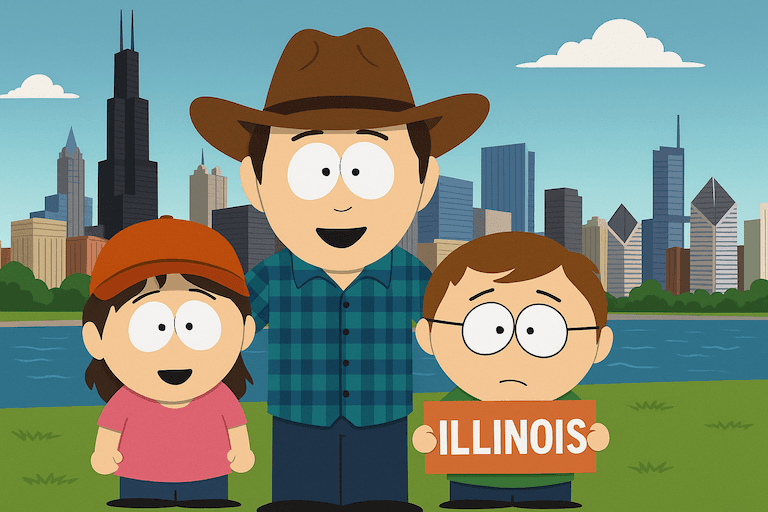
Chicago
Wind, Water, Skyline Magic
Cool lake air glides between towering steel and glass as the scent of deep-dish pizza drifts through Riverwalk.
Fall and late spring shine—wander Millennium Park, feel the energy at Navy Pier, and use the L to glide across Chicago.
Discover now and begin your Chicago story.


01 · Overview
Learn about Chicago
Chicago Overview
Chicago: A Compact Guide to the Second City
History
Chicago grew faster than almost any American city in the 19th century — a frontier trading post turned railroad hub, then rebuilt on a larger, more ambitious scale after the Great Fire of 1871. That rebuilding is the city’s DNA: engineers, architects, and entrepreneurs testing new ideas that shaped modern urban life.
Current status
Today Chicago balances industry, tech, education, and a major port while keeping a very human urban scale: neighborhoods are distinct, public transit is workable for getting around, and the lakefront offers a real outdoors counterpoint to downtown density. It isn’t perfect — politics and fiscal tensions surface now and then — but for visitors it remains accessible and rewarding if you move with a plan.
Local culture
Chicago’s culture is rooted in neighborhood identity: each district has its rhythms, festivals, and long-running institutions, from blues clubs and storefront bakeries to community gardens and independent bookstores. There’s a straight-ahead Midwestern practicality here — people are direct and helpful — combined with a fierce pride in local institutions like the parks, sports teams, and music venues.
Food
Food in Chicago is serious without being fussy. Yes, try a deep-dish pizza if you want the full ritual, but also give time to thin-crust tavern pizza, Italian beef sandwiches, vibrant Mexican and Polish offerings, and farm-driven Midwestern cooking in newer restaurants. Street-level eating — diners, hot dog stands, and neighborhood joints — often tells you more about the city than the most hyped tasting menu.
Attractions
Millennium Park
Millennium Park is the social living room for downtown: the Jay Pritzker Pavilion stages concerts, the Lurie Garden offers a calm planting scheme, and the Cloud Gate sculpture provides the inevitable photo moment. Visit early or late in the day for better light and fewer crowds; it’s a good place to start a walking loop along the lakefront.
The Art Institute of Chicago
The Art Institute is compact but world-class, with strong collections of Impressionist painting and American art that reveal how the city connected to global currents. Allow a couple of hours for highlights rather than trying to see everything — the modern wing and the Thorne Miniature Rooms are reliably rewarding.
Architecture River Cruise
A river cruise is the most efficient way to understand Chicago’s skyline and the stories behind its buildings; guides mix engineering and gossip in equal measure. If you prefer to keep your feet on dry land, a self-guided walk along the riverfront will still surface many of the same landmarks at a slower pace.
Navy Pier and the Lakefront
Navy Pier is a mixed bag — commercial but convenient for first-time visitors who want lake views, boat departures, and family-friendly attractions. For a quieter stretch, walk north or south along the Lakefront Trail to find beaches, parkland, and local joggers rather than tourist crowds.
Lincoln Park and the Zoo
Lincoln Park combines green space, a conservatory, and a free zoo, making it an easy neighborhood escape from downtown bustle. Stroll toward DePaul’s area for cafés and shops that feel more like everyday Chicago than the tourist core.
Final note
If you have limited time, pick one neighborhood to explore on foot, combine one major museum or architecture experience with a walk by the lake, and sample food from a neighborhood spot rather than chasing every famous item. That way you’ll see what Chicago does best: big-city ideas delivered in approachable, local form.
Places to Go
Cloud Gate ("The Bean") — Millennium Park
Art Institute of Chicago
Willis Tower (Skydeck)
Things to Do
Chicago Architecture River Cruise
Visit the Art Institute of Chicago
Millennium Park and Cloud Gate (the Bean)
Skydeck at Willis Tower (or equivalent high-rise view)
Walk the Chicago Riverwalk and lakefront (Grant Park/Lakefront Trail)
Blogs to Read
169 Cool and Unusual Things to Do in Chicago
A long, regularly updated collection of Chicago’s offbeat and lesser-known attractions — great for finding unique experiences, odd museums, and neighborhood curiosities that typical guides skip.
The 20 best free things to do in Chicago
Lonely Planet’s practical list of no-cost activities across neighborhoods, useful for budget-minded travelers who want a mix of cultural sights, outdoor options, and city events.
Hidden Gems in Chicago: Secret Spots the Guidebooks Miss
A recent neighborhood-focused guide that highlights local favorites, speakeasies, rooftop views, and off-the-beaten-path food and drink spots useful for travelers who want a more local itinerary.
Hidden Gems and Unique Spots in Chicago
From the city’s official tourism organization, this roundup points to lesser-known cultural sites, parks, and free attractions with concise practical notes — good for dependable, locally vetted options.
Secret Chicago (Hidden Gems) — Time Out
Time Out’s curated list of secret and unusual places across the city, combining historical context and neighborhood tips that help you pick particular sites or walks tailored to your interests.
02 · Find
Explore Local

We haven't mapped neighborhoods for Chicago yet.
03 · Plan
Build Itinerary
Your trips
Your next trip starts here. Make a plan and find it here when you return.
Language Guide
04 · Travel Tips
Travel Tips
Chicago — Practical Travel Tips
Local customs
- People are direct but polite; small talk is fine but brief.
- Tipping: 15–20% at restaurants; $1–2 per drink at bars; round up or $1–2 for taxis.
- Dress in layers—weather can change quickly, especially near the lake.
- Respect personal space on transit; avoid loud phone conversations.
Transportation
- O'Hare (ORD) and Midway (MDW) are the two airports; plan for 45–90 minutes to downtown depending on time and traffic.
- CTA trains (“the El”) and buses are the cheapest way to move around. Buy a Ventra card or use the Ventra app for fares.
- Red, Blue and Brown Lines cover most tourist corridors; expect stairs and occasional delays.
- Divvy bike-share is useful for short trips in warmer months; wear a helmet and follow bike lanes.
- Rideshares and taxis are widely available; allow extra time late at night or during major events.
- Driving downtown can be slow and expensive (parking). Use transit or rideshare for neighborhood-hopping.
Safety
- Chicago is large; crime levels vary by neighborhood. Stay in well-lit, populated areas after dark.
- Keep valuables out of plain sight in cars and on public transit. Use hotel safes for passports and extra cash.
- If walking near the lakefront at night, stick to busier paths (North Avenue, Oak Street, that corridor).
- Be aware of pickpockets in crowded tourist spots (Millennium Park, Magnificent Mile, Navy Pier).
- In emergencies call 911. For non-emergency police matters use the Chicago Police non-emergency number.
Insider tips
- Visit Millennium Park early morning to avoid crowds and get good photos of Cloud Gate (“The Bean”).
- Museums often have discounted or free days—check schedules and book timed-entry tickets where available.
- Try neighborhood restaurants in Logan Square, Pilsen, or Andersonville for more local flavor and better value than downtown.
- Weather check: winters are very cold and windy; summer can be hot and humid. Bring a warm, windproof layer for lakefront visits.
- Carry a small umbrella—storms can pop up quickly.
- Allow extra time for travel during Cubs games at Wrigley Field and Bulls/Blackhawks games at United Center.
- If you want to save money, eat lunch at higher-end restaurants (many offer shorter, cheaper lunch menus).
Enjoy the city at a calm pace—pick a neighborhood or two and explore them on foot rather than racing across the whole metro in one day.