Niseko
Find Powder and Peace in Niseko
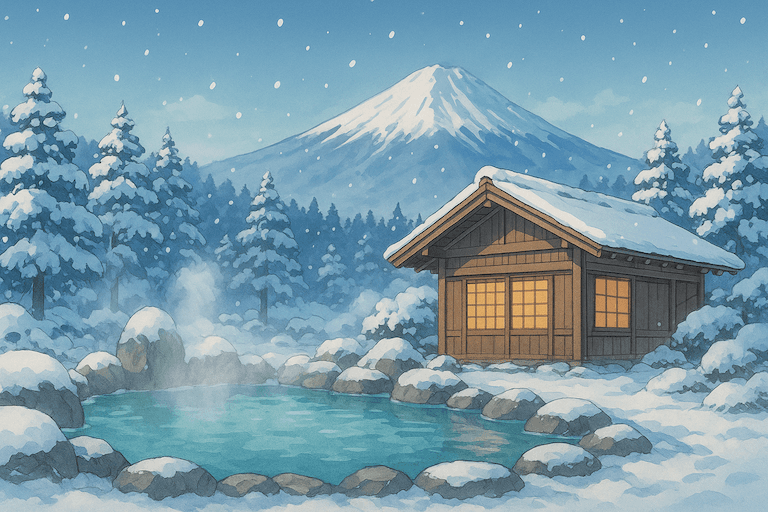
Ski deep powder on Niseko’s famed slopes or soak in an outdoor onsen beneath Mount Yotei.
Best time: Dec–Feb for peak powder; summer brings hiking and rafting.
Tip: book transfers and rentals early. Plan your visit and discover Hokkaido.
01 · Overview
Learn about Niseko
Niseko Overview
Niseko: Powder, Onsen, and Quiet Hokkaido Charm
History
Niseko began as a collection of farming and fishing communities before snow sports reshaped its identity in the late 20th century. International skiers and investors arrived gradually, and the area evolved from sleepy villages into a cluster of ski resorts while many local traditions and landscapes remained intact.
Current status
Today Niseko is a year-round destination: fiercely busy in winter for its light, dry powder and steadily growing in summer for hiking, rafting, and cycling. Resorts, small hotels, and international restaurants sit alongside family-run ryokan and local shops, so you get both polished visitor services and quiet neighbourhood corners.
Local culture
Locals in Niseko combine a pragmatic Hokkaido reserve with warm hospitality—expect polite, low-key service and people who appreciate the outdoors. Community events, seasonal food markets, and onsen rituals are how residents mark the year; take your cue and be respectful of quiet hours and bath etiquette when visiting.
Food
Niseko’s food scene leans on Hokkaido’s bounty: seafood, dairy, and sturdy mountain produce. Small izakaya and market stalls serve fresh crab, uni, and local vegetables, while cafés and bakeries highlight Hokkaido milk and butter; eating here feels anchored to place rather than trend.
Attractions
Grand Hirafu: The largest and most visited ski area, Grand Hirafu offers varied terrain that suits intermediates and powder chasers alike. It’s where most visitors start their Niseko experience, with chairlifts that connect to a network of runs and backcountry access.
Annupuri: Quieter than Hirafu, Annupuri is a good choice if you want consistent groomers, fewer lifts, and a calmer mountain atmosphere. The summit views over the Shiribetsu River valley are especially rewarding on clear days.
Niseko Village: With a compact resort footprint and a selection of hotels and restaurants, Niseko Village blends resort convenience with easy access to onsen and nightlife. It’s a practical base if you want services within walking distance of lifts.
Onsen and hot springs: Hot springs are woven into Niseko life—public rotenburo and private onsen at ryokan let you unwind after a day outdoors. The ritual of soaking in mineral water, often with mountain views, is as much a local practice as a visitor treat.
Summer outdoors: When the snow melts, Niseko turns into an active playground for hiking, mountain biking, and river rafting. Trails across Mount Annupuri and the surrounding hills are scenic without being excessively crowded, offering a calm alternative to the winter bustle.
Nightlife and dining streets: Although not flashy, Niseko’s nightlife clusters around a few streets of restaurants, bars, and izakaya where visitors and locals mingle. It’s best experienced slowly—a relaxed meal, a craft beer, and perhaps a late stroll under low winter lights.
Places to Go
Niseko Mt. Resort Grand Hirafu
Niseko Village (Hilton Niseko Village area / Upper Village Gondola)
Niseko Annupuri International Ski Area (Annupuri)
Mount Yōtei (Yōtei‑zan)
Konbu Onsen / Moiwa area
Things to Do
Skiing and Snowboarding — Niseko United (Grand Hirafu, Niseko Village, Annupuri, Hanazono, Moiwa)
Onsen (hot springs) and rotenburo (outdoor baths)
Shiribetsu River white‑water rafting
Mount Yōtei viewing and hiking
Summer mountain activities: e‑bike tours, hiking, zipline and golf
Blogs to Read
Powderlife — Niseko blog & articles
Local-focused magazine and blog covering Niseko mountain reports, onsen, eating and seasonal tips (winter and summer); useful for current conditions, event timing, and practical local recommendations from long-term residents.
Niseko Travel Guide: The Powder, the Village and Beyond — NL Hokkaido
Comprehensive English guide detailing Niseko’s ski terrain, lift areas, transport, onsen, summer activities and practical tips; good for planning where to stay, how to get around, and what to do off-mountain.
Complete Guide to Niseko Ski Resort 2025/26 — Klook Travel Blog
Traveler-oriented seasonal guide covering resort layout, ski season timing, lessons/rentals, and après-ski recommendations; helpful for first-time visitors and for booking activities and services.
Explore Niseko — official area blog
Area operator blog with practical posts about resorts (Hirafu, Niseko Village, Annupuri), local events, food spots and activity providers; useful for up-to-date local notices and curated suggestions from an on-the-ground tourism organization.
Enjoy Hokkaido (English) — Niseko-focused posts and local reports
English-language personal blog publishing frequent, photo-rich reports from Niseko (events, new hotel openings, local markets and transport updates); valuable for recent, boots-on-the-ground updates and festival/market coverage.
02 · Find
Explore Local

We haven't mapped neighborhoods for Niseko yet.
03 · Plan
Build Itinerary
Your trips
Your next trip starts here. Make a plan and find it here when you return.
Language Guide
04 · Travel Tips
Travel Tips
Niseko, Hokkaido — Practical Travel Tips
Local customs
- Greet with a slight bow and use polite phrases (e.g., "arigatou" / "arigatou gozaimasu").
- Remove shoes when entering ryokan, some restaurants, and private homes; socks should be clean and hole-free.
- Keep voice levels low in public transport and shared spaces; avoid phone calls on trains/buses.
- Tipping is not customary and can cause confusion; a sincere thank-you is enough.
- Respect onsen (hot spring) rules: wash thoroughly before entering, no swimsuits, tie up long hair, and avoid tattoos in some facilities (ask ahead or use private baths if needed).
Transportation options
- Nearest international access: New Chitose Airport (Sapporo); allow ~2–3 hours travel time to Niseko depending on transfer method.
- Airport transfers: shared shuttle buses, private transfers, and rental cars are common; book in advance during peak season.
- Rail: JR lines connect to Otaru and Kutchan; final leg often requires bus, taxi, or shuttle.
- Local buses and paid shuttles run between Hirafu, Annupuri, and Niseko Village; schedules vary by season—carry a printed or offline copy.
- Rental car: useful for flexibility and exploring wider Hokkaido; winter driving requires studded or winter tires and winter-driving experience.
- Taxis are available but can be expensive; split fares for short distances or use scheduled shuttles for ski areas.
Safety
- Winter hazards: avalanches are possible in backcountry—use guides, carry beacon/probe/shovel, and check local avalanche advisories before heading off-piste.
- Weather changes fast; dress in layers and carry waterproof outer layers and warm gloves/hat. Hypothermia risk in extreme conditions.
- Ice and snow make walking slippery—bring grippy footwear or yaktrax-type traction devices.
- Drink responsibly: alcohol plus cold weather increases hypothermia risk; plan transport if you'll be drinking.
- Medical facilities are limited locally; for emergencies call local emergency numbers and be prepared for longer transfer times to major hospitals.
Insider tips
- Peak ski season is late December through March; book accommodation, lessons, and gear early if traveling then.
- For powder skiing, consider guided tours or local mountain guides for best and safer access to fresh snow.
- Even in summer, Niseko offers hiking, rafting, and cycling; bring insect repellent and sunscreen—UV can be strong at altitude.
- Currency: carry some cash (yen); smaller shops and rural vendors may not accept cards.
- Language: English is commonly spoken in tourist areas, but have a translation app or phrase list for rural interactions and signage.
- Dining: try local seafood and Hokkaido dairy items; if you have dietary restrictions, communicate them clearly—bring allergy cards in Japanese if needed.
- Quiet hours: many accommodations observe quiet hours after 10–11pm—keep noise low in corridors and common areas.
- Laundry and dryers can be limited in winter—pack smart or choose lodging with in-room laundry facilities.