Otaru
Discover Otaru: Sea, Glass, and Song
Stroll Otaru Canal at dusk, taste fresh sushi at a harbour counter, and wander Sakaimachi's glass shops.
Best time: late spring or snowy winter illumination. Tip: carry cash for hands-on glass workshops.
Plan your visit to discover Hokkaido's seaside charm and the Music Box Museum.
01 · Overview
Learn about Otaru
Otaru Overview
Otaru: Salted Sea Air, Glass Lanterns, and Quiet Canals
History
Otaru grew from a modest fishing settlement into Hokkaido’s principal port in the late 19th and early 20th centuries, driven by fisheries, coal and timber trade. Wealth from that era built the stone warehouses and Western-influenced merchant homes that still define the town’s waterfront aesthetic. The preserved architecture and cobbled streets feel like a tidy stage set of Meiji and Taishō prosperity, one that locals still use rather than merely display.
Current status
Today Otaru is a small, walkable destination with a steady stream of domestic visitors and a quieter international scene than larger cities. The economy leans on tourism, crafts (especially glass and music boxes), and seafood, but the town retains a low-key, lived-in rhythm—shops and cafes open for locals as much as tourists. Visit outside major holiday weekends and you’ll find the canal and streets pleasantly uncrowded.
Local culture
Otaru’s culture blends maritime traditions with artisanal pride: fishermen, glassblowers, and craftsmen coexist with café owners who roast beans by hand. There’s a hospitality that’s casual and practical—people are helpful without being performative—and a local pace that favors lingering over rushing. Seasonal events, like winter illuminations along the canal, punctuate the year and draw the community together.
Food
Seafood is the obvious draw: fresh sushi, sashimi, and kaisendon (seafood rice bowls) sourced from nearby waters taste immediate and honest. Street snacks, like grilled scallops and sweet crepes for chilly afternoons, are perfect for sampling while strolling Sakaimachi Street. For a quieter meal, seek smaller family-run places inland where portions are generous and menus reflect daily catches.
Attractions
Otaru Canal
The canal is the town’s visual signature—lined with restored brick warehouses and iron gas lamps, it’s especially atmospheric at dusk when the lamps and cafe lights soften reflections on the water. A short riverside walk takes under an hour at an easy pace and is best combined with a stop in a nearby converted warehouse cafe.
Sakaimachi Street
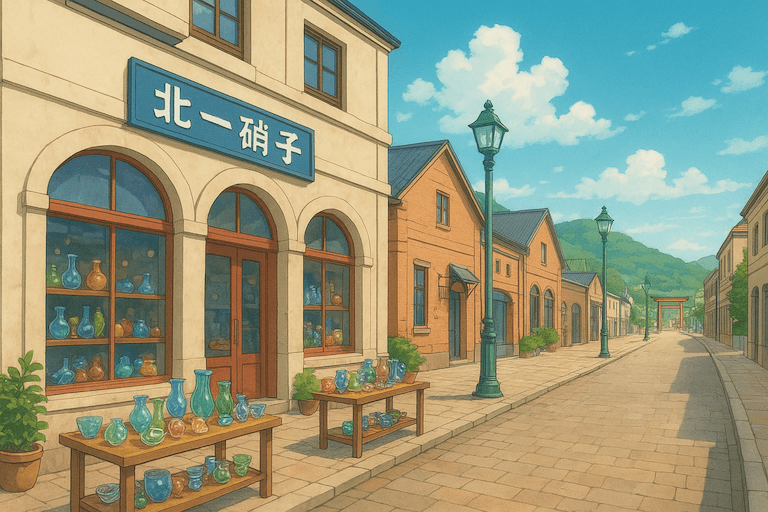
This preserved merchant street runs a few blocks from the canal and is where you’ll find glass workshops, music box stores, and modest galleries. It’s a good place to watch artisans at work and to buy hand-crafted souvenirs without the slickness of larger tourist markets.
Otaru Music Box Museum
Housed in a handsome old building, the Music Box Museum showcases ornate mechanical music boxes and offers a hands-on corner where you can assemble or choose a melody to personalize a small keepsake. It’s sentimental but well executed—especially if you enjoy small, tactile souvenirs with local character.
Tenguyama (Mount Tengu)
A short ropeway ride brings you above the town for sweeping views of Otaru and Ishikari Bay; in winter it’s a favorite for snow scenery while summer offers hiking and vantage points for sunsets. The ride and viewpoint are compact investments of time that reward with perspective—both literal and on how the town fits the landscape.
Nishin Goten (Herring Mansion)
This restored herring merchant’s house and museum offers a concentrated glimpse into the industry that once made Otaru wealthy, with period rooms and exhibits explaining processing and trade. It’s small but rooted—helpful for understanding why warehouses and merchant architecture dominate the town’s visual identity.
Practical note
Otaru is compact and best explored on foot; prioritize the canal, Sakaimachi, and one inland museum or mountain viewpoint to keep the day unrushed. Check opening hours and seasonal events in advance, and plan meals around seafood markets for the freshest experience.
Places to Go
Things to Do
Blogs to Read
The Ultimate Otaru Walking Guide: Shops, Souvenirs, and a Perfect Route Along Sakaimachi Street
Practical walking route and shop-by-shop guide for Sakaimachi Dori and the canal area, with recommendations for glassware, music boxes, sweets (LeTAO) and where to eat; useful for first-time visitors who want a compact, photo-friendly itinerary.
Otaru Travel Guide: Inside Hokkaido's Leading Destination (Sightseeing, Food, and Shopping Tips)
Comprehensive local guide covering Sankaku Market, Otaru Canal, museums, signature sweets and practical tips (transport, seasonality); a reliable overview if you want to plan timing and food priorities.
Discover 10 Quirky Things to Do in Otaru’s Hidden Gems
Highlights lesser-known experiences beyond the canal—artisan workshops, niche museums and offbeat food spots—good for travelers who’ve seen the main sights and want unique local experiences.
Sakaimachi Street Otaru: Ultimate Travel Guide & Things to Do
Deep dive on Sakaimachi Street’s best shops, museums and eating spots with practical visiting details; especially useful for shoppers and those wanting exact shop names (glass studios, music box halls, sweets).
15 Delightful Things to Do in Otaru | Ultimate Travel Guide
Concise list-format guide covering top attractions, local food suggestions and hidden corners along the canal and side alleys—handy as a quick checklist for a day trip or short stay.
02 · Find
Explore Local

We haven't mapped neighborhoods for Otaru yet.
03 · Plan
Build Itinerary
Your trips
Your next trip starts here. Make a plan and find it here when you return.
Language Guide
04 · Travel Tips
Travel Tips
Otaru — practical travel tips
Local customs
- No tipping: restaurants and taxis include service; polite thanks or a bow is enough.
- Quiet, polite behavior: keep voices low on trains, in shops and around the canal at night.
- Cash-first: many small shops, markets and food stalls prefer cash; carry smaller bills and coins.
- Respect personal space: avoid loud phone calls on public transit and be mindful of queues.
- Eating while walking: generally discouraged; eat at stalls/benches or step aside to finish.
- Onsen etiquette (if you visit a bath): wash thoroughly before entering, don’t bring towels into the water, tie long hair up.
Transportation options
- By train: Otaru Station (JR Hakodate Main Line) is the main hub; regional trains connect to Sapporo (about 30–50 minutes). Check timetables for limited-express vs local.
- Local buses: cover attractions not within walking distance; buy single tickets on board or use IC cards where accepted.
- IC cards: regional IC cards (e.g., Kitaca) are commonly accepted for trains and some buses/shops—still carry cash for smaller vendors.
- Walking: downtown, the canal, Sakaimachi Street and nearby museums are compact and best explored on foot; be ready for stone pavements and slopes.
- Taxis: handy late at night or with luggage; fares are metered—confirm approximate cost for longer rides.
- Driving/parking: if you rent a car, expect narrow streets, one-way sections and paid parking lots; winter tires required in snow season.
Safety
- Low crime: Otaru is generally safe; normal precautions (watch belongings in crowded spots) are sufficient.
- Weather hazards: winters are icy and snowy—use appropriate footwear and allow extra transit time; watch for icy sidewalks.
- Bicycle care: if you rent a bike, lock it when unattended and park in designated areas to avoid fines or removal.
- Emergency numbers: Japan emergency number is 110 for police and 119 for fire/ambulance—carry a note with your hotel address in Japanese.
- Food allergies: English may be limited—carry translation cards stating allergies in Japanese and check ingredients at sushi/seafood stalls.
Insider tips
- Canal at dusk: the canal is busiest at sunset and after dark when lamps are lit—go earlier or later to avoid crowds and get photos without people.
- Sakaimachi Street: browse early morning or late afternoon for quieter shopping; many glassware and music-box shops let you see artisans at work.
- Seafood timing: morning markets and early-lunch sushi are freshest; some popular sushi restaurants have limited seating—arrive before peak hours or expect a wait.
- Seasonal highlights: winter brings snow lanterns and an atmospheric canal; summer is humid but good for boat rides—pack layers for coastal winds year-round.
- Carry small change: useful for coin-operated museum exhibits, vending machines, public restrooms and small purchases.
- Language: basic English is available at major attractions; keep a phrase list or phone translator for menus and small shops.
- Trash & recycling: public bins are limited—carry a small bag for rubbish and separate recyclables when facilities are provided.