
Introduction
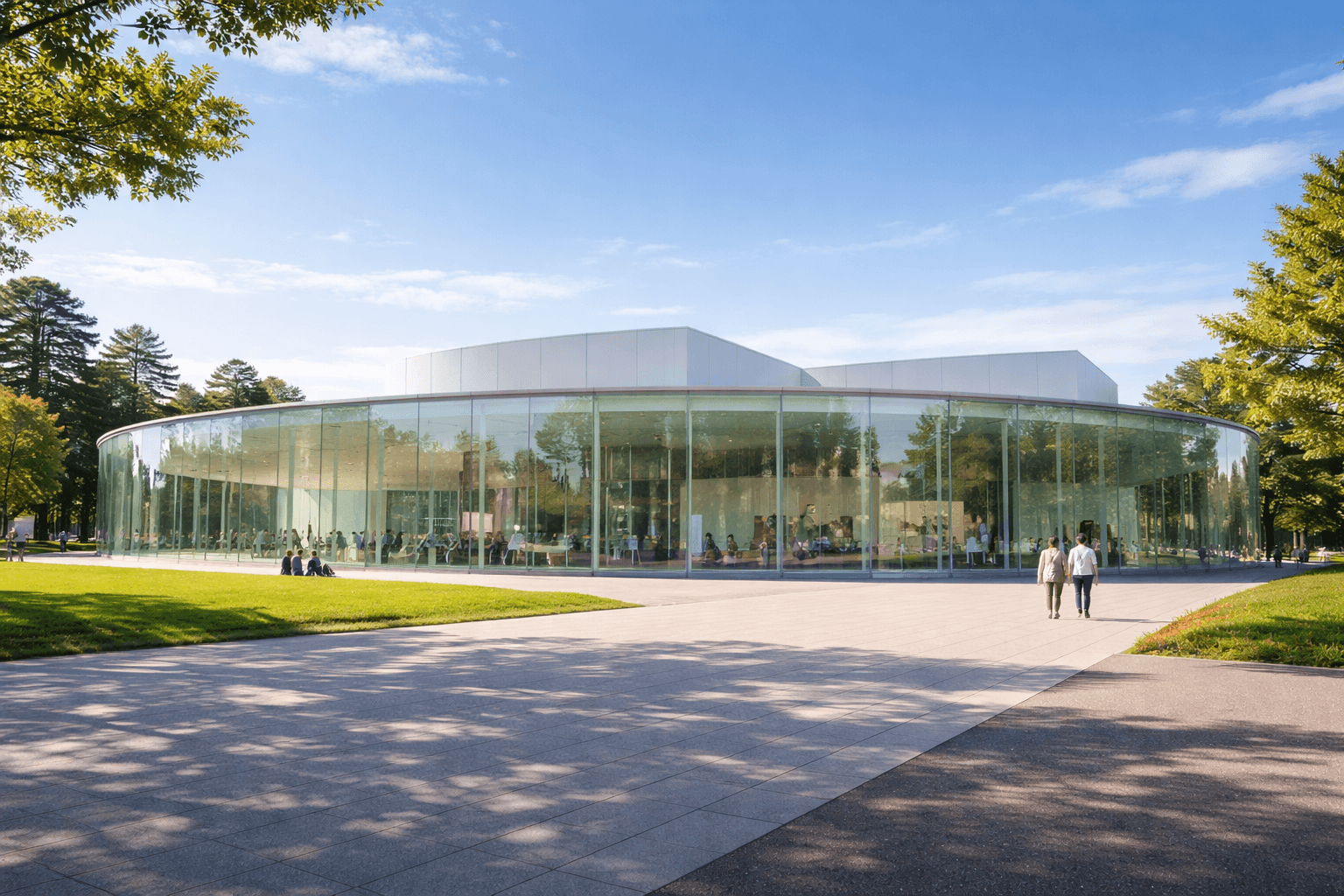
The 21st Century Museum of Contemporary Art (Kanazawa) is a circular, light-filled museum focused on contemporary art from Japan and around the world. Opened in 2004, it has become a cultural landmark in Kanazawa for its bold architectural presence and accessible approach to modern art. The museum blends permanent installations with rotating exhibitions, public artworks, and participatory projects, making it appealing to both art enthusiasts and casual visitors.
Who it appeals to:
- First-time visitors to Kanazawa seeking a contemporary contrast to the city’s historic districts.
- Art lovers interested in innovative installations and site-specific works.
- Families and curious travelers who appreciate interactive or approachable exhibits.
Why Visit
- Unique architecture: a circular building with transparent and inviting public spaces.
- Iconic works and installations you won’t find elsewhere (including immersive, site-specific pieces).
- A good mix of permanent highlights and changing temporary shows — repeated visits can feel fresh.
- Convenient location near Kanazawa’s museums, gardens, and cultural quarter.
Main Areas & What to See
-
Gallery Halls
- What it is: Rotating exhibitions of contemporary painting, sculpture, video, and installation.
- Why it matters: Showcases both Japanese and international artists and keeps the program dynamic.
- What to notice/do: Check the current exhibition list at the entrance; read short wall texts for context and audio guides if available.
-
Permanent Installations
- What it is: Long-term works integrated into the building and grounds (some are immersive).
- Why it matters: These are signature pieces that define the museum’s identity and are often the most photographed.
- What to notice/do: Spend time with large-scale installations — some require slow, quiet observation rather than quick snapshots.
-
The Public Plaza & Garden Areas
- What it is: Outdoor and semi-outdoor spaces with sculptures and seating.
- Why it matters: The museum encourages public access; the plaza is a social space and often hosts smaller events.
- What to notice/do: Walk the perimeter to experience the building’s transparency and how indoor works relate to outside life.
-
Media and Video Rooms
- What it is: Screening rooms or darkened galleries for time-based work.
- Why it matters: Contemporary art frequently uses video and sound—these rooms can be essential to certain exhibitions.
- What to notice/do: Check screening times and allow extra time if a piece requires full viewing.
Best Time to Visit
- Time of day: Arrive early (museum opening) for a quieter experience and better photos without crowds. Late afternoon can be pleasant as light changes in the glass spaces.
- Crowd considerations: Weekdays are generally quieter than weekends. School holidays and public holidays draw more families.
- Atmosphere differences: Morning — contemplative and calm; midday — busier with guided groups; late afternoon — softer light and a relaxed pace.
Seasonal Highlights
- Spring: Pleasant strolls between the museum and nearby Kenrokuen Garden; cherry blossom season increases city visitation.
- Summer: Air-conditioned galleries provide a comfortable escape from heat; some outdoor events may take place on the plaza.
- Autumn: Clear light and autumn foliage in nearby parks make combining the museum with outdoor sightseeing especially rewarding.
- Winter: Fewer tourists — galleries are quieter; the museum’s glass can frame muted winter skies effectively.
Practical Tips
- Cultural etiquette: Keep voices low inside galleries, don’t touch artworks unless signage explicitly allows it, and follow staff instructions.
- Photography: Photography policies vary by exhibition. Non-flash photos are usually allowed in public areas and select works; always check signage or ask staff before photographing inside galleries.
- Payment & tickets: Tickets are sold on site and often online. Special exhibitions may require timed-entry tickets—buy those in advance if possible.
- Accessibility: The building is designed with universal access in mind; elevators and wheelchair access are available. Ask the information desk about mobility services.
- Estimated visit duration: Plan for 1.5–3 hours depending on interest and whether you watch time-based works.
Getting There
- Nearest station: Kanazawa Station (major hub for JR lines).
- From Kanazawa Station: The museum is typically a 20–30 minute walk; by city bus or taxi it’s about 8–12 minutes depending on traffic.
- From the city center (Higashi Chaya / Kenrokuen area): Often 5–15 minutes on foot depending on your starting point—many visitors combine the museum with nearby cultural sites.
Is It Worth It?
Yes, for most travelers the museum is worth a visit. It provides a modern counterpoint to Kanazawa’s traditional attractions and contains memorable installations that reward slow looking. If you have limited time and prefer historical sites only, prioritize Kenrokuen and the samurai/chaya districts; otherwise, build in at least 90 minutes to experience the museum’s highlights.