
Introduction
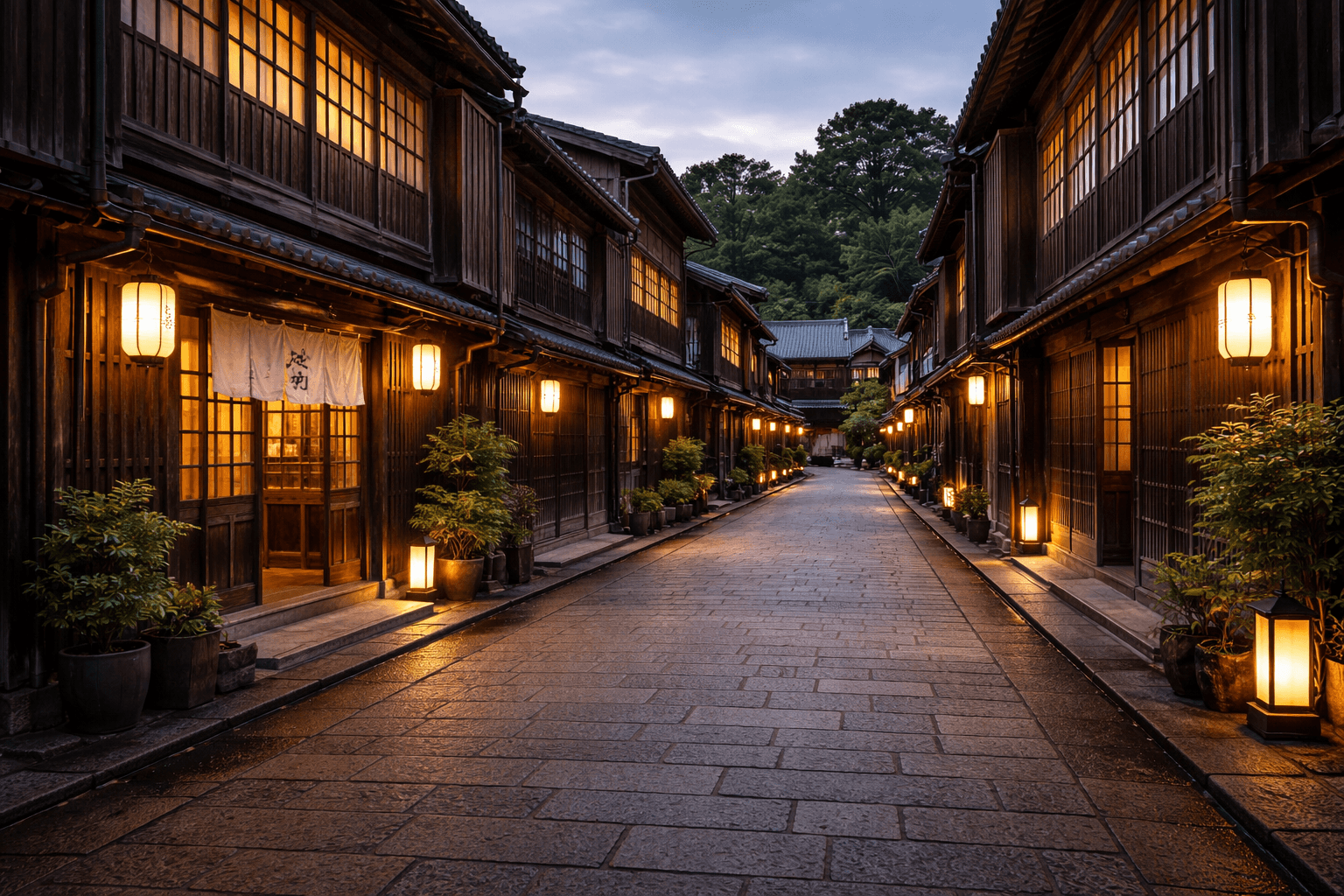
Higashi Chaya District is one of Kanazawa’s best-preserved historic neighborhoods, famous for its wooden machiya (townhouses) and teahouses where geisha (local: geiko) once entertained. It offers a compact, atmospheric glimpse of Edo–Meiji urban life and traditional arts, making it rewarding for both first-time visitors and returning travelers seeking craftsmanship, tea culture, and photography.
Why Visit
- Walkable, photogenic streets lined with restored wooden teahouses and latticed facades.
- Live demonstrations and small museums showcasing gold leaf, tea ceremony, and local crafts.
- Intimate teahouse experiences (matcha, sweets) and chance encounters with cultural performances.
- A calm historic setting easily combined with nearby Kenrokuen Garden and Omicho Market.
Main Areas & What to See
Main Street (Nagayamon-dori and surrounding lanes)
- What it is: The district’s primary pedestrian route, flanked by ochre lacquered and wooden façades.
- Why it matters: This is where the classic chaya architecture and atmosphere are most visible.
- What to notice/do: Look for the distinctive latticework (koshi-gaki) and low eaves; best for photographing facades in soft light.
Shima Teahouse (and other preserved chaya houses)
- What it is: Restored teahouses open as small museums or functioning cafes.
- Why it matters: Interiors preserve traditional layouts and sometimes host short performances or tea demonstrations.
- What to notice/do: Try matcha and wagashi if offered; check if there’s a short shamisen or dance performance when you visit.
Omi-cho Market / Nearby Craft Shops
- What it is: A short walk from the district to local markets and shops selling gold leaf, lacquerware, and sweets.
- Why it matters: Kanazawa is famous for gold leaf; many shops will demonstrate or let you try simple gold-leaf crafts.
- What to notice/do: Pick up small souvenirs like gold-leaf-coated sweets or watch a brief gilding demo.
Alleyways and Canal Areas
- What it is: Narrow side lanes and small canals that catch reflections of the wooden buildings.
- Why it matters: They reveal quieter, lived-in corners of the district away from the main street.
- What to notice/do: Walk slowly, respect residents’ privacy, and shoot reflections at golden hour.
Best Time to Visit
- Time of day: Early morning (shortly after opening) for soft light and fewer people; late afternoon into early evening for warm tones and lit façades.
- Crowd considerations: Midday and weekend afternoons are busiest, especially with tour buses. Aim for weekdays or early/late slots.
- Atmosphere differences: Morning feels serene and local; afternoons are livelier with shop activity and visitors.
Seasonal Highlights
- Spring: Cherry blossoms nearby brighten the streets; mild weather for walking.
- Summer: Livelier festival season across Kanazawa; humidity can be high—seek indoor tea experiences.
- Autumn: Crisp air and colorful foliage near Kenrokuen make the area particularly picturesque.
- Winter: Occasional snow softens the wooden roofs and adds a serene, photogenic hush; some teahouses feel cozier.
Practical Tips
- Cultural etiquette: Speak softly, avoid blocking doorways, and remove shoes if invited into tatami rooms. Bowing politely when entering teahouses is appreciated.
- Photography: Exterior photography is fine; be discreet inside museums and teahouses. Do not photograph performers or guests without permission.
- Payment & access: Many small shops accept cash only; bring yen. Some teahouses require reservations for formal tea ceremonies—walk-in casual offerings are common but limited.
- Timing: Plan 1–2 hours for a focused visit; 2–4 hours if you include a formal tea experience, demonstrations, or nearby attractions.
Getting There
- Nearest major access point: Kanazawa Station (main hub for JR trains and local buses).
- Typical travel time from the station: About 10–15 minutes by taxi, 15–20 minutes by bus (take local route buses toward the Kenrokuen/Higashi Chaya area), or roughly 20–30 minutes on foot depending on pace.
Is It Worth It?
Yes — especially for travelers who appreciate historic architecture, traditional crafts, and a quieter cultural experience. It’s compact and easy to combine with nearby Kenrokuen Garden and Omicho Market. If you prefer modern cityscapes or have very limited time in Kanazawa, prioritize Kenrokuen first; but for atmosphere, photography, and hands-on cultural moments, Higashi Chaya is well worth a dedicated visit.