
Introduction
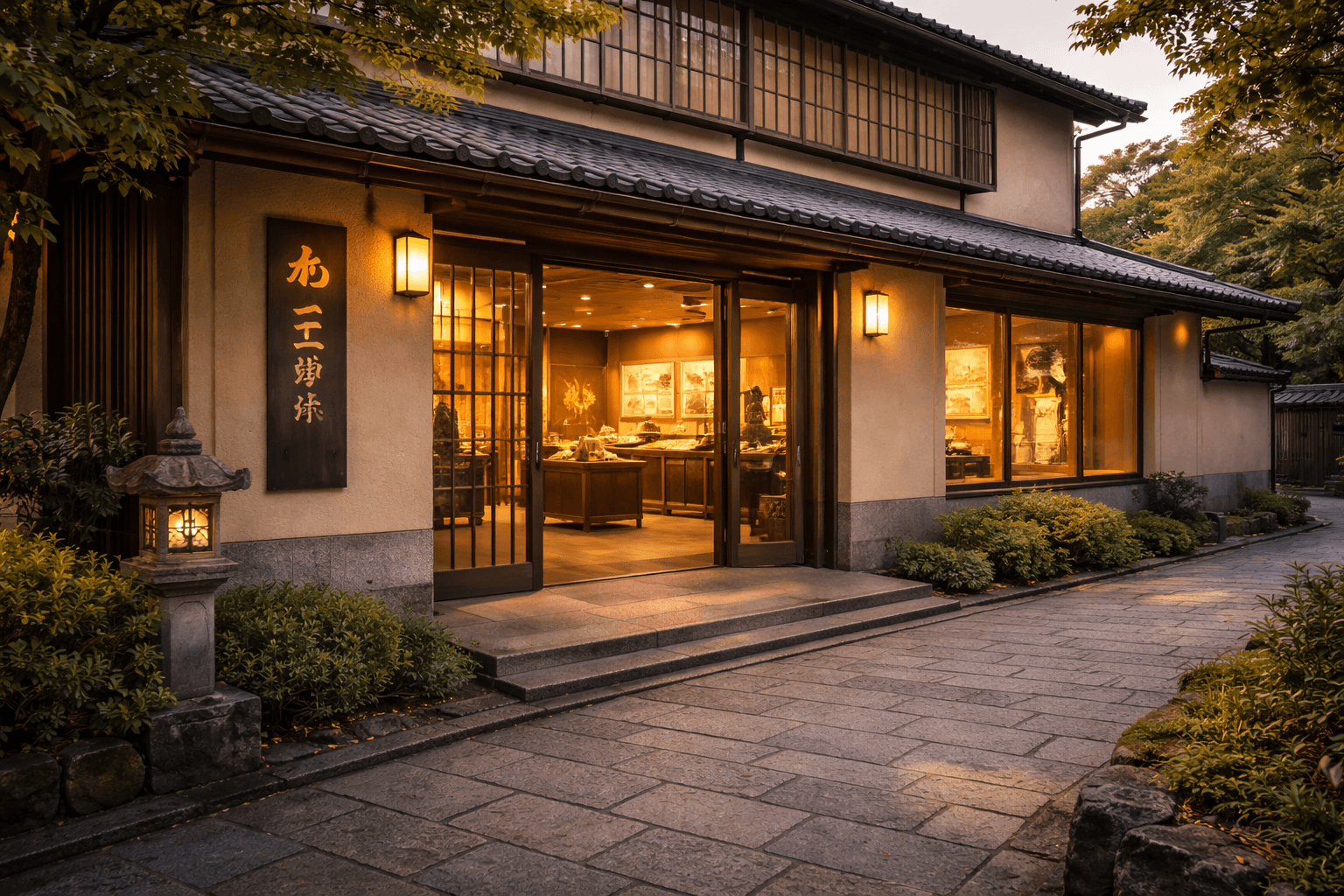
The Yasue Gold Leaf Museum (Yasue Kinsaku Kinenkan) is a small, focused museum in Kanazawa dedicated to the city’s centuries-old craft of gold leaf production and application. It presents historical tools, step-by-step demonstrations, and finished works—everything from classical lacquerware to contemporary art—showcasing why Kanazawa is synonymous with gold leaf (kintsugi and kinpaku). The museum appeals to culture-minded travelers, craft enthusiasts, families with older children, and returning visitors who want a hands-on or close-up look at traditional Japanese metalworking.
Why Visit
- See how gold leaf is made and applied—an intricate, delicate process rarely explained in depth elsewhere.
- Up-close view of historic tools, artisan techniques, and finished pieces like lacquerware and screens.
- Short, manageable visit that pairs well with nearby Higashi Chaya district and Kenrokuen Garden.
- Often offers short demonstrations or simple hands-on experiences suitable for curious travelers.
Main Areas & What to See
-
Exhibition Room
- What it is: Displays of historical tools, raw gold leaf, finished objects, and explanatory panels.
- Why it matters: Contextualizes the craft within Kanazawa’s history and economic life; you’ll understand why gold leaf is so thin yet so valuable.
- What to notice/do: Study the step sequence—hammering, cutting, and transfer—and inspect finished pieces to see where gold leaf changes the object’s character.
-
Demonstration Area (when available)
- What it is: Live demonstration of gold-leaf beating and sometimes application on small objects.
- Why it matters: Seeing the physical rhythm and precision of the technique turns abstract descriptions into tangible skill.
- What to notice/do: Watch hand positions, how artisans protect the leaf, and the quiet concentration; ask short questions if a guide is present.
-
Hands-on Workshop / DIY Corner (subject to schedule)
- What it is: Short classes where visitors can try applying a small piece of gold leaf or create a simple ornament.
- Why it matters: A tactile way to remember the process and take home a unique souvenir.
- What to notice/do: Book in advance if available; follow instructors’ guidance carefully—gold leaf tears easily.
-
Gift Shop / Gallery
- What it is: Carefully curated items like small lacquerware, framed leaf samples, and local crafts incorporating gold leaf.
- Why it matters: A good place to buy authentic, locally made keepsakes and support artisans.
- What to notice/do: Compare prices and ask about manufacturing—some items are fully handmade, others factory-finished.
Best Time to Visit
- Time of day: Late morning (10:00–12:00) for demonstrations and natural light on displays; mid-afternoon is quieter if you want a calm visit.
- Crowd considerations: The museum is compact and rarely crowded, but weekends and national holidays see more visitors, especially groups from nearby tour circuits.
- Atmosphere differences: Morning visits feel fresher and more animated (staff, demos). Afternoon visits are more contemplative—better for lingering over displays.
Seasonal Highlights
- Spring: Combine with cherry-blossom viewing in nearby parks for a picture-postcard day—craft displays feel bright against spring light.
- Summer: Cooler interior makes the museum a pleasant stop during hot days; check for special summer-themed workshops.
- Autumn: The surrounding districts and Kenrokuen are at their most photogenic; autumn colors add context to your visit.
- Winter: The warm tones of gold leaf contrast beautifully with quieter, colder streets; some workshops run fewer sessions—check schedules.
Practical Tips
- Cultural etiquette: Speak quietly, avoid touching displays unless invited, and follow staff instructions in workshops.
- Photography: Small museums sometimes restrict flash or close-up photography—ask at the entrance. Photographs are usually allowed for general exhibits but not for delicate demonstrations where bright light could damage materials.
- Payment & access: Small admission fee applies; many small museums accept cash and major Japanese cards but bring yen just in case. Workshops may require a separate fee and advance booking.
- Timing: Plan 30–60 minutes for a standard visit; allow 60–90+ minutes if attending a workshop or demonstration.
Getting There
- Nearest major access point: Kanazawa Station.
- From the station: The museum sits in or very near the Higashi Chaya historic district. Typical travel time is about 15–30 minutes from Kanazawa Station by local bus or taxi; walking takes roughly 20–30 minutes depending on your pace. The museum is an easy add-on when visiting Kenrokuen Garden and the tea-house districts.
Is It Worth It?
Yes, if you value craft history, want a concise cultural stop, or hope to try a short hands-on experience. The Yasue Gold Leaf Museum is compact but informative—perfect as a focused 30–90 minute visit that deepens appreciation for Kanazawa’s artisan heritage. For travelers short on time, combine it with nearby Higashi Chaya and a tea house visit; for repeat visitors or craft lovers, the museum offers detail and intimacy that larger museums may not.