
Introduction
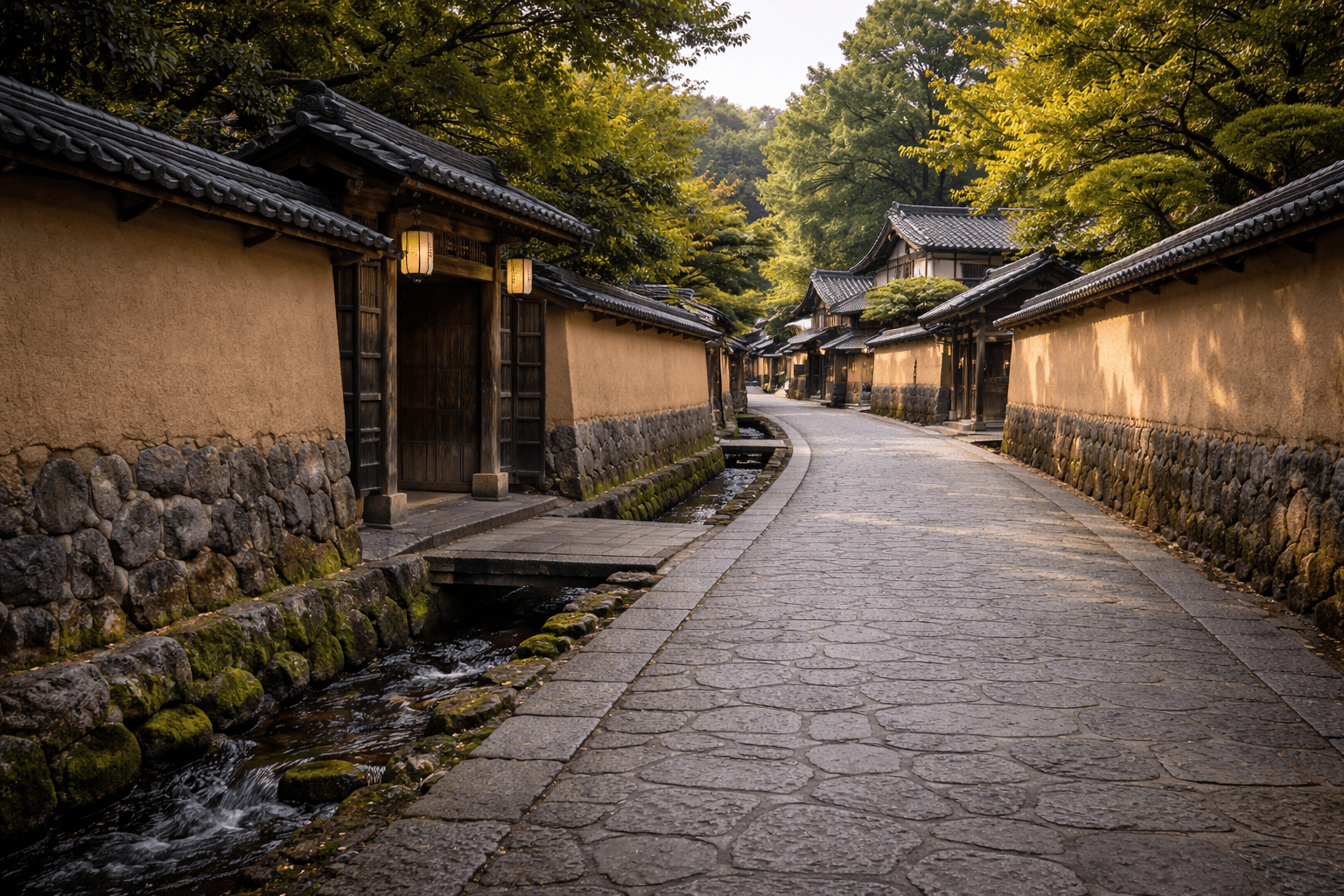
Nagamachi Samurai District is a preserved neighborhood in Kanazawa where narrow lanes, earthen walls, and well-maintained samurai houses (bukeyashiki) evoke the city's Edo-period past. Once home to samurai families who served the Maeda clan, the area offers a quiet, tangible window into traditional urban life, landscaping, and defensive architecture.
This district is culturally significant for its authentic streetscape, surviving machiya (townhouses) and kura (storehouses), and living museums that interpret samurai domestic life. It appeals to history lovers, architecture and photography enthusiasts, slow-travelers seeking atmosphere, and families wanting a gentle cultural experience.
Why Visit
- Walkable, atmospheric streets that feel like stepping back in time.
- Intact samurai residences and small museums that illustrate daily life and class structure in feudal Japan.
- Close proximity to other Kanazawa highlights (Kenroku-en, Higashi Chaya) for an efficient sightseeing loop.
- Excellent opportunities for mindful photography—textured walls, wooden gates, and narrow lanes.
Main Areas & What to See
Nomura-ke (Nomura Samurai House)
- What it is: A restored samurai residence with a garden and display rooms.
- Why it matters: One of the best-preserved examples open to the public; shows how upper-ranked samurai lived.
- What to notice/do: Explore the tatami rooms, peek into the small garden, and view samurai armor and household items. Guided audio or pamphlets explain room functions.
Nagamachi Old Streets and Earthen Walls
- What it is: The atmospheric lanes lined with mud walls, wooden gates, and narrow waterways.
- Why it matters: The layout and materials reveal defensive and status features of samurai neighborhoods.
- What to notice/do: Walk slowly, observe gate details (mon), lattice windows, and small canals. Look for historical plaques that identify former residences.
Kazuemachi Tea District (nearby)
- What it is: A short walk from Nagamachi, this riverside area offers teahouses and cafes.
- Why it matters: Combines the samurai experience with a relaxed riverside atmosphere and local snacks.
- What to notice/do: Stop for refreshments, try local sweets, or sit by the river for a break between sights.
Small Museums and Workshops
- What it is: Local museums, craft shops, and occasional workshops on gold leaf, incense, and lacquer.
- Why it matters: Kanazawa is famous for crafts; Nagamachi connects the historical setting with living artisan traditions.
- What to notice/do: Check for short demonstrations or purchase a small handcrafted souvenir.
Best Time to Visit
- Time of day: Early morning (around opening, roughly 8:30–9:30) or late afternoon for softer light and fewer visitors.
- Crowd considerations: Midday and weekend afternoons are busiest; mornings are quieter for photos and contemplation.
- Atmosphere differences: Morning offers calm and local life (delivery cycles, quiet gardens); late afternoon gives warm light on earthen walls.
Seasonal Highlights
- Spring: Cherry blossoms nearby (late March–April) brighten the lanes and nearby parks—expect more visitors.
- Summer: Lush green gardens and intense colors; humid weather but fewer international visitors outside festival dates.
- Autumn: Crisp air and colorful foliage (usually November) create a striking contrast with wooden facades.
- Winter: Occasional snow softens the streetscape and creates a serene, photogenic scene; some houses may have shorter opening hours.
- Festivals: Local cultural events and craft fairs occur at various times—check Kanazawa’s events calendar when planning.
Practical Tips
- Cultural etiquette: Speak quietly, remove shoes where requested, and respect private properties—some houses are lived-in or privately owned.
- Photography: Generally allowed outdoors; be discreet and avoid photographing residents or inside rooms where signs prohibit it. Flash and tripods may be restricted in some interiors.
- Payments & access: Small museums accept cash; some accept cards but carry yen for entrance fees, purchases, and buses. Many houses have modest entrance fees.
- Timing: Allow 1–2 hours for a relaxed walk and one house visit; 2–4 hours if you plan to visit several houses, museums, and nearby tea districts.
- Facilities: Limited cafes and public restrooms—use facilities at major museums or nearby commercial streets before entering the narrow district.
Getting There
- Nearest station: Kanazawa Station is the main hub. From the west exit you can reach Nagamachi by local bus, taxi, or on foot.
- Typical travel time from Kanazawa Station: 10–15 minutes by taxi, 10–15 minutes by local bus, or about 20–30 minutes on foot depending on pace.
- Access points: The district is compact—enter from the Korinbo/Higashi-Chaya side or approach from Kenroku-en/Omicho Market for an easy sightseeing route.
Is It Worth It?
Yes, especially if you value authentic streetscapes, manageable crowds, and a quieter historical counterpoint to Kanazawa’s busier attractions. For a short, atmospheric cultural stop it delivers strong historical context without the time commitment of larger museum visits. If you prefer lively shopping or dining scenes, combine Nagamachi with nearby areas like Omicho Market or the tea districts to round out your visit.