
Introduction
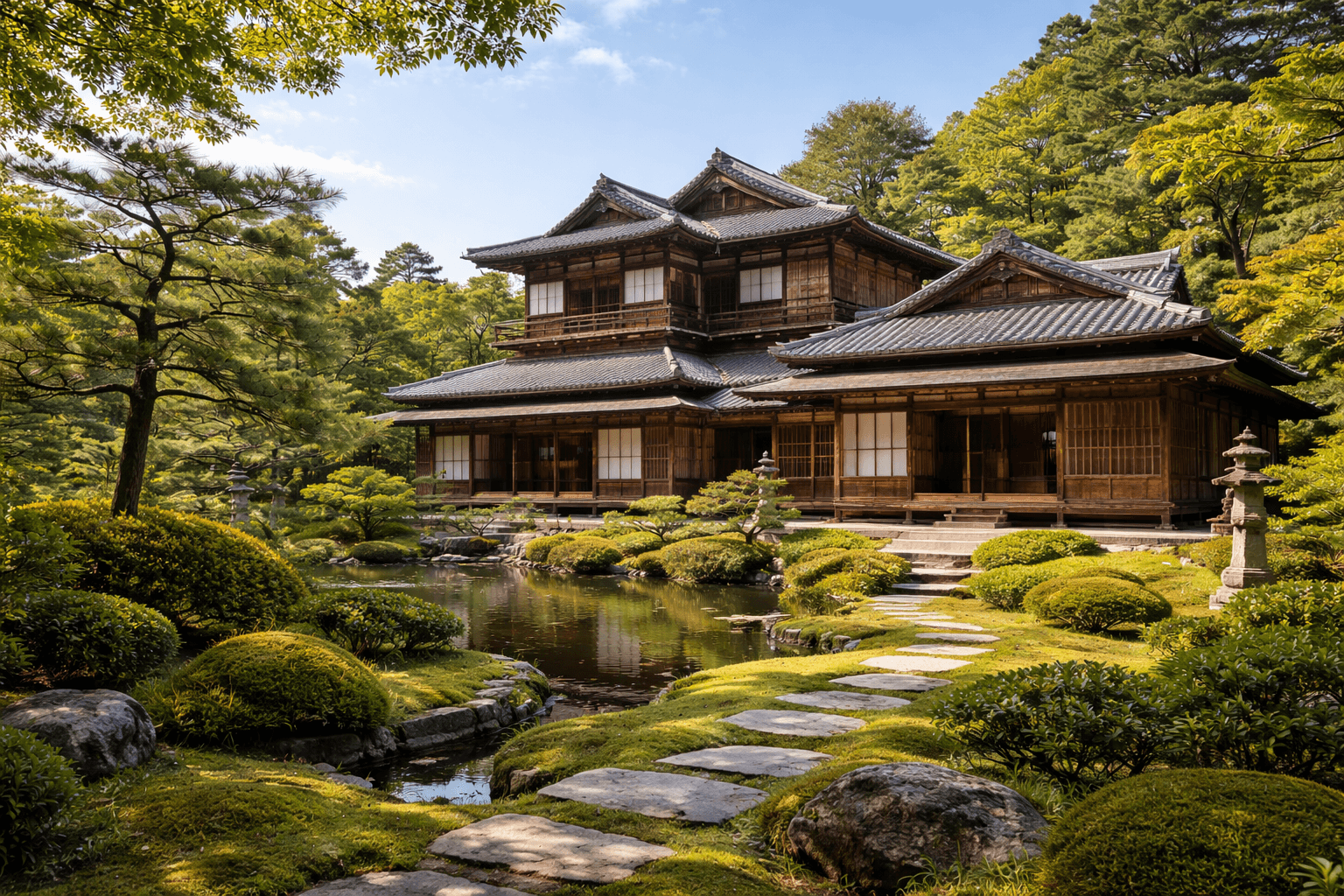
Seisonkaku is an elegant late-Edo period villa on the southeastern edge of Kenrokuen Garden in Kanazawa. Built in 1863 by Maeda Nariyasu for his mother, it preserves original rooms, crafts and family possessions of the Maeda daimyo household. The villa offers a quiet, intimate look at samurai-era domestic life, decorative arts and transitional architecture that mixes traditional Japanese techniques with early Western influences.
Seisonkaku appeals to history lovers, architecture and craft enthusiasts, photographers seeking composed interiors and travelers who want a calm counterpoint to Kenrokuen and the busy chaya districts.
Why Visit
- See an unusually intact daimyo villa with original furnishings and heirlooms.
- Experience fine Kaga craftwork (carved ranma panels, painted screens, imported glass) in situ.
- Combine easily with Kenrokuen Garden and nearby cultural sites.
- Learn about Maeda family life and late-Edo to Meiji architectural transition.
Main Areas & What to See
-
Ekken-no-ma (Audience Room)
- What it is: The formal guest chamber with a coffered ceiling and decorative fittings.
- Why it matters: Shows the Maeda family's status and refined interiors designed for receiving important guests.
- What to notice/do: Study the ceiling panels, painted fusuma (sliding doors) and delicate ranma (openwork transoms).
-
Tsugi-no-ma and Anterooms
- What they are: Connecting rooms that lead visitors through the villa.
- Why they matter: Reveal daily flow and how ceremonial and private spaces relate.
- What to notice/do: Watch the transition of materials and finishes between rooms.
-
Second-floor colored rooms (Gunjō-no-ma, Shoken-no-ma etc.)
- What they are: Upper rooms decorated with vivid pigments, patterned walls and imported glass panes.
- Why they matter: Demonstrate a mixing of sukiya and shoin styles and early Western influences (glass for snow viewing).
- What to notice/do: Look for imported Dutch glass in shoji frames and painted motifs (tortoises, butterflies).
-
Covered walkway and small gardens
- What it is: A long covered corridor with an uninterrupted view of the villa’s gardens.
- Why it matters: The cantilevered roof and unbroken sightlines are engineering and aesthetic highlights.
- What to notice/do: Pause at viewpoints to appreciate composition and seasonal plantings; note how views were arranged for contemplation.
-
Daimyo possessions and seasonal displays
- What it is: Collections of Hina dolls, garments and household items passed down the Maeda line.
- Why it matters: These items contextualize life at the villa and the region’s craft traditions.
- What to notice/do: Read exhibit labels (English available) to connect objects with room functions and festivals.
Best Time to Visit
- Time of day: Mornings (9:00–11:00) are best for softer light in the gardens and smaller crowds; late afternoon (before 16:00) can be pleasant too.
- Crowd considerations: The villa is quieter than Kenrokuen but shares visitors with the garden. Arrive early if you prefer solitude or want unobstructed photos.
- Atmosphere differences: Morning light is calm and cool; late afternoon brings warmer tones inside and outside. Winter offers crisp, serene views; spring shows fresh greenery.
Seasonal Highlights
- Spring: Cherry and early fresh foliage in adjacent Kenrokuen; interiors make a fine contrast to outdoor color.
- Summer: Lush green gardens and a cool interior refuge; displays may include summer textiles.
- Autumn: Harmonious composition with fall colors around Kenrokuen—excellent for photography.
- Winter: Snow viewed through glass-inset shoji creates a distinctive private snow-viewing experience. Special winter exhibitions sometimes run.
- Events: The villa has rotating and seasonal exhibitions (check current schedule before visiting) and occasionally special openings or displays tied to local festivals.
Practical Tips
- Cultural etiquette: Remove shoes where requested, speak quietly, and follow staff guidance—this is a cultural property and a museum-like setting.
- Photography: Photography rules vary by room and exhibition—some interiors or artifacts may be off-limits; obey posted signs and staff requests.
- Payment & access: Admission typically requires an entrance fee (standard and special-exhibition rates). Credit cards may not be accepted everywhere—carry yen for small purchases.
- Timing: Plan 45–75 minutes for a focused visit; longer if you wish to study displays or combine with Kenrokuen.
- Closures: The villa is usually closed one weekday (often Wednesday; if Wednesday is a national holiday, the closure may shift), and closed around New Year—confirm current hours before travel.
Getting There
- Nearest access points: Seisonkaku sits at 1-2 Kenrokumachi on the southeast edge of Kenrokuen Garden; there is a short direct entrance from Kenrokuen.
- From Kanazawa Station: About 10–15 minutes by taxi; 15–20 minutes by bus (alight near Prefectural Museum of Art / Seisonkaku stop) or roughly 20–30 minutes on foot depending on route and pace.
Is It Worth It?
Seisonkaku is worth a visit if you care about historical interiors, Japanese decorative arts or quiet, contemplative spaces. It complements Kenrokuen and nearby museums perfectly. For travelers pressed for time, prioritize Kenrokuen first; if you have a half-day or more, add Seisonkaku for its unique, intimate glimpse into the Maeda household and exceptional craftwork.