
Introduction
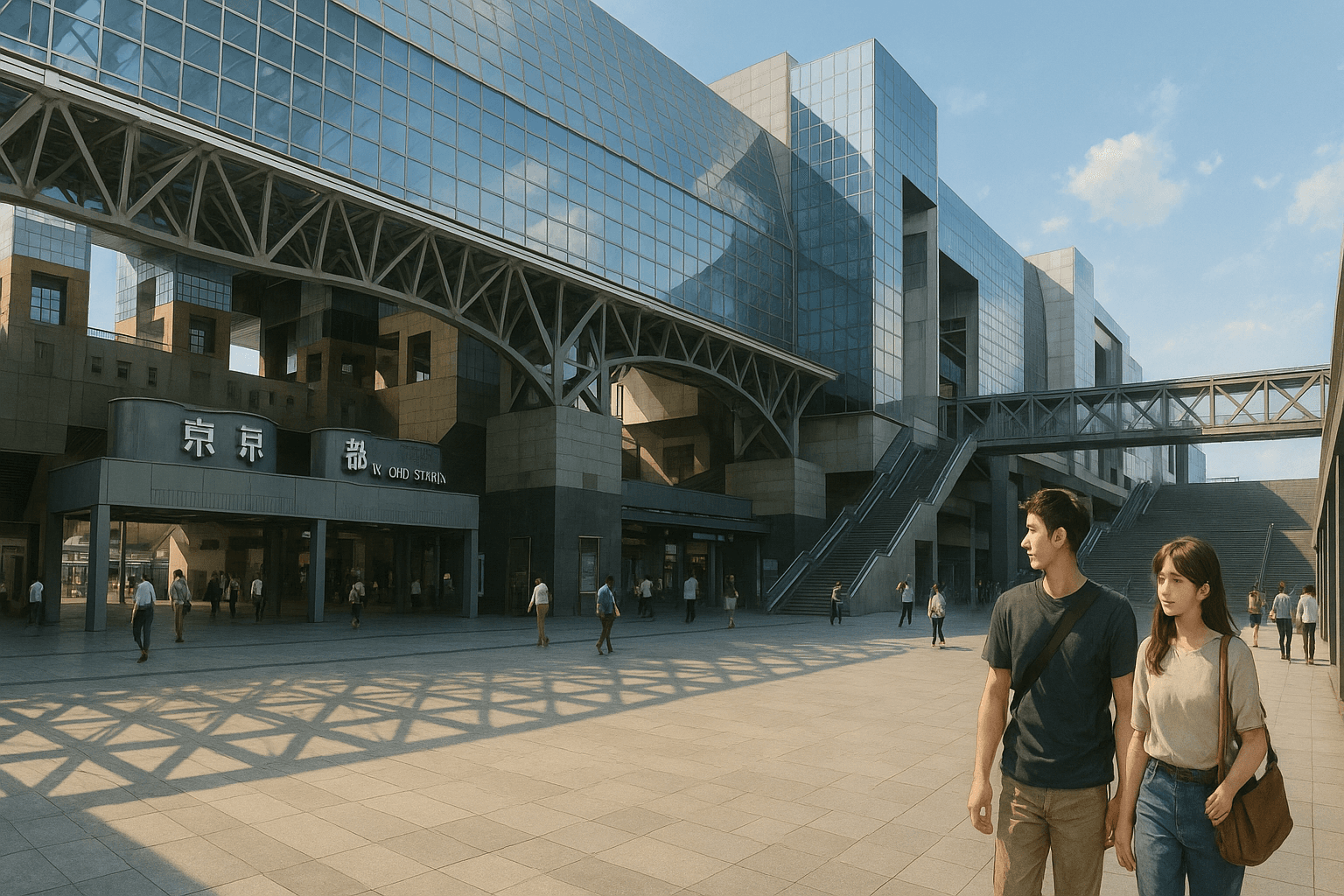
Kyoto Station is the city’s main transport hub and an architectural landmark in its own right. More than a rail terminal, it’s a vertical city: a complex of trains, buses, shopping, hotels, restaurants and observation decks that sits at the modern edge of an otherwise traditionally historic Kyoto. For travelers it’s both a practical gateway and an on-the-ground snapshot of contemporary Japanese urban life.
Who it appeals to: first-time visitors arriving or departing by Shinkansen, travelers connecting to regional buses and trains, shoppers and food lovers looking for quick local eats, and architecture or photography enthusiasts interested in modern civic design.
Why Visit
- Efficient transport hub for Shinkansen, regional trains and buses — ideal base for day trips.
- Wide range of dining options from quick bento to sit-down kaiseki.
- Large shopping and convenience facilities for last-minute souvenirs and travel essentials.
- Rooftop plaza and observation areas offering city views and seasonal illumination.
- Convenient luggage services (coin lockers, delivery) that simplify short stays.
Main Areas & What to See
JR Shinkansen Platforms
What it is: High-speed bullet train platforms serving Tokyo, Osaka and beyond. Why it matters: Fastest way to reach Tokyo (and Kansai destinations); essential for efficient regional travel. What to notice/do: Arrive 10–15 minutes before departure for seat checks; find the green (reserved) and non-reserved car signs; lockers are available nearby for short-term luggage.
Central Concourse & Grand Staircase
What it is: A sweeping, multi-level atrium with a striking glass-and-steel staircase and digital displays. Why it matters: The concourse is an urban landmark—useful meeting point and photo spot. What to notice/do: Check live train departure boards, take photos of the illuminated staircase, and use the tourist information desks located here.
Isetan/Kyoto Station Building Shops
What it is: Department stores, specialty shops and a multi-level shopping mall inside the station complex. Why it matters: Easy place to buy Kyoto souvenirs (matcha sweets, textiles) and travel necessities without detouring. What to notice/do: Browse local confectionery counters for carry-on gifts; tax-free counters are available for eligible visitors.
Gourmet Floor & Ramen Street
What it is: Floors of restaurants ranging from quick noodles and izakaya to upscale dining; a cluster of ramen shops in the underground levels. Why it matters: Great way to sample Kyoto flavors between trains or before check-in. What to notice/do: Look for set lunches (teishoku) for good value; some popular ramen shops have queues—peak meal times are busiest.
Hotel Area & Coin Lockers
What it is: Several hotels integrated with the station and wide locker/centering services. Why it matters: Convenient for overnight stays very close to transport and for leaving luggage while you sightsee. What to notice/do: For large suitcases use the station’s baggage delivery or manned storage; coin lockers fill up quickly in mornings and evenings.
Rooftop Garden and Skyway Observation
What it is: Open-air plaza and glass walkways with city views and seasonal displays. Why it matters: Provides contrast to Kyoto’s temples with panoramic urban vistas and occasional light shows. What to notice/do: Visit at dusk for sunset-to-night transitions; check for seasonal illuminations (winter) or lunchtime crowds.
Best Time to Visit
- Time of day: Early morning (7:00–9:00) for quieter concourses and easier luggage storage; late afternoon to evening (16:00–20:00) for dining and lights.
- Crowd considerations: Commuter rush (07:00–09:00, 17:00–19:00) is busy; weekends and holiday periods are much busier, especially near Shinkansen platforms.
- Atmosphere differences: Mornings feel efficient and businesslike; evenings are livelier with shoppers and diners.
Seasonal Highlights
- Spring: Flowering season brings heavier tourist flows—use lockers or early departures to avoid queues.
- Summer: Station is a good air-conditioned refuge; festival crowds (Gion Matsuri in July) increase travel demand.
- Autumn: Comfortable weather and beautiful city excursions; expect busy weekends as leaf-peeping visitors transit through the station.
- Winter: Festive illuminations on the rooftop plaza and a cozy atmosphere in restaurants; cold weather makes quick access to trains desirable.
Practical Tips
- Cultural etiquette: Stand in line and wait for passengers to exit before boarding; keep voice levels low on platforms and in concourses.
- Photography rules: General photography in public areas is fine; be discreet and avoid pointing cameras at people without consent; obey any posted no-photo signs inside shops or exhibits.
- Payment & access: IC cards (Suica, ICOCA) are accepted for trains and many shops; credit cards widely accepted but carry some cash for small vendors and coin lockers.
- Timing tips: Allow at least 30–45 minutes between long-distance train arrivals and departures to navigate platforms and find lockers or restrooms.
- Estimated visit duration: 30 minutes to 2 hours for most travelers (quick meal, shopping, rooftop visit); longer if using as a base for a hotel stay or transit hub.
Getting There
- Nearest stations: Kyoto Station is itself the city’s central rail hub—served by JR lines, Kintetsu, and the municipal subway Karasuma Line (Kyoto Station stop).
- Typical travel time from city center: Kyoto Station sits at the southern edge of central Kyoto; many central attractions (Gion, Nishiki Market) are 10–25 minutes away by public transport or 20–40 minutes by local bus/taxi depending on traffic.
Is It Worth It?
Yes—Kyoto Station is both necessary and interesting. For practical travel logistics and quick access to services, it’s indispensable. Architecturally and experientially, it offers a modern counterpoint to Kyoto’s historic sites and useful amenities that make exploring the city easier. If you prize historic temples above modern hubs, keep your visit brief; if you value efficiency, food and easy shopping, plan time here.