
Introduction
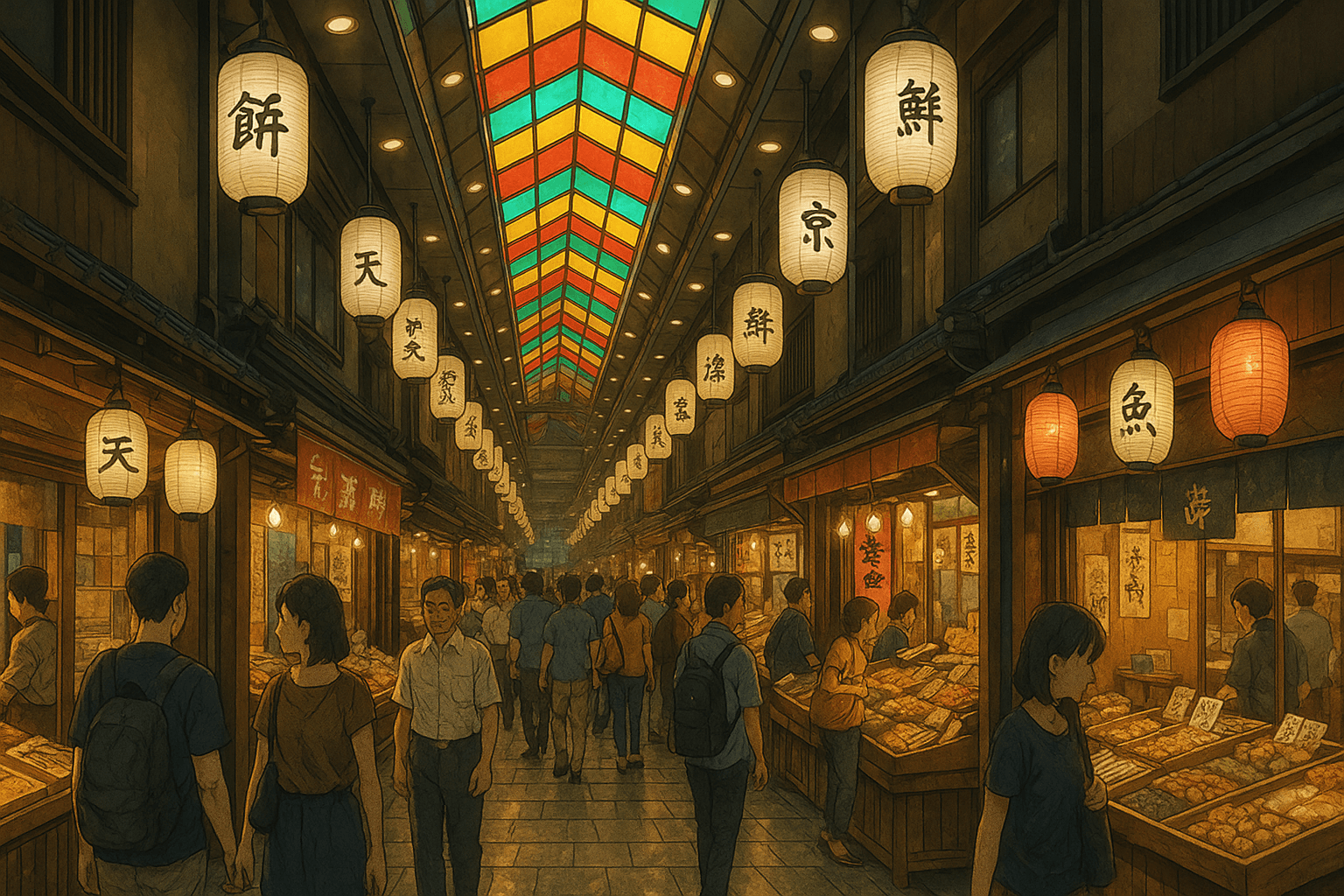
Nishiki Market (Nishiki Ichiba) is a narrow, covered shopping arcade running five blocks through central Kyoto. Known as “Kyoto’s Kitchen,” it concentrates dozens of small shops and stalls selling fresh seafood, pickles, local sweets, ready-to-eat street food, and cooking ingredients used in Kyoto cuisine. The market blends everyday local trade with tourist-focused tasting and souvenir shopping, offering a direct, sensory way to experience Kyoto’s food culture.
Who it appeals to: food lovers, first-time visitors wanting a quick taste of Kyoto cuisine, returning travelers seeking specialty ingredients, and anyone who enjoys compact market atmospheres where you can sample and shop as you walk.
Why Visit
- Taste a wide range of authentic Kyoto foods in small portions without needing a sit-down meal.
- See traditional ingredients and preparations (seasoned fish, pickles, tofu, wagashi) central to Kyoto cuisine.
- Shop for unique culinary souvenirs and specialty condiments not commonly found outside Japan.
- Observe everyday local commerce in a lively, pedestrian-friendly setting.
Main Areas & What to See
Central Covered Arcade (main stretch)
- What it is: The heart of Nishiki Market, a long covered passage lined with dozens of small vendors.
- Why it matters: Concentrates the market’s energy — easy sampling, quick purchases, and many iconic stalls.
- What to notice/do: Follow your nose to pickles (tsukemono), dried fish, fresh seafood, and small snack stalls offering grilled squid, croquette, or yakitori-style skewers.
Specialty Fish and Seafood Stalls
- What it is: Shops selling fresh and preserved fish, shellfish, and prepared fish products like sashimi-grade cuts and kamaboko (fish cake).
- Why it matters: Kyoto historically relied on inland preservation and cured seafood — these stalls show regional techniques and flavors.
- What to notice/do: Ask for small tasting portions when available; observe how items are displayed and packaged for take-home.
Tsukemono (Pickles) Shops
- What it is: Family-run stores with a wide variety of pickled vegetables in different seasonings and colors.
- Why it matters: Pickles are a cornerstone of Japanese meals and especially important in traditional Kyoto cuisine.
- What to notice/do: Try samples to find types you like (lightly salted, sweet, or intensely fermented) and buy small jars to bring the taste of Kyoto home.
Nishiki Food Stalls & Ready-to-Eat Snacks
- What it is: Stands selling street-food-sized portions: tamagoyaki (rolled omelet), grilled skewers, tofu dishes, and wagashi (Japanese sweets).
- Why it matters: Ideal for sampling multiple flavors without committing to a full restaurant meal.
- What to notice/do: Walk-and-eat is common but be mindful of crowding; try a few small bites from different vendors.
Kitchenware and Specialty Ingredient Shops
- What it is: Stores selling knives, ceramics, bamboo whisks, kombu, bonito flakes, and locally made sauces.
- Why it matters: Great for travelers who cook or want high-quality culinary souvenirs.
- What to notice/do: Inspect packaging for export suitability and ask staff about checking ingredients through customs if you plan to fly with them.
Best Time to Visit
- Time of day: Morning to early afternoon (9:00–13:30) is best for the fullest selection and fresher produce; many shops start winding down mid-afternoon.
- Crowd considerations: Late morning and lunchtime are busiest, especially on weekends and holidays. Arrive early to avoid large tour groups and get first pick of freshly made items.
- Atmosphere differences: Mornings feel more local and working; mid-day is lively and sampling-friendly; late afternoon is quieter with some small shops closing.
Seasonal Highlights
- Spring: Fresh seasonal vegetables and seafood; lighter pickles and spring wagashi. Cherry blossom season brings more tourists, so go early.
- Summer: Cool tofu specialties, chilled noodle accoutrements, and summer pickles. Heat can make the arcade feel tropical—stay hydrated.
- Autumn: Richer flavors appear (milder preserved seafood, fall vegetables); ideal time for trying seasonal konbu and mushrooms.
- Winter: Heartier simmered dishes, warm snacks, and preserved items for winter meals. Some vendors sell osechi ingredients ahead of New Year.
- Festivals: Nishiki sits near central Kyoto festival routes; during major festivals (e.g., Gion Matsuri in July) the area can be busier and certain stalls may offer festival specials.
Practical Tips
- Cultural etiquette: Be polite, remove sunglasses when speaking with vendors, and use a quiet voice. If you receive a sample, accept with both hands when appropriate.
- Photography: Casual photos are usually fine, but always ask before photographing vendors or close-up shots of prepared food. Some shops prefer no photos of staff or other customers.
- Payment: Many stalls accept cash (yen) — carry small bills and coins. Increasingly, larger shops accept credit cards and IC transit cards (Suica, ICOCA), but cash remains widely used.
- Timing: Most shops open around 9:00–10:00 and begin closing between 17:00–18:00; some close earlier on certain days. Plan at least 45–90 minutes for a typical visit.
- Carry-on: Bring a small tote for purchases. If buying perishable items, ask about packaging for travel and refrigeration; consider buying perishables near the end of your day.
Getting There
- Nearest stations: Shijo Station (Kyoto Municipal Subway Karasuma Line) and Kawaramachi Station (Hankyu Line) are the closest major stations; the market runs a short walk from either.
- Typical travel time from Kyoto Station: About 10–15 minutes by subway to Shijo Station, plus a 5–10 minute walk; taxi is roughly 10–20 minutes depending on traffic.
- Access notes: The market sits along Shijo-dori (central east–west street); follow signs for Nishiki Market or Shijo-Kawaramachi area.
Is It Worth It?
Yes — for most travelers Nishiki Market is worth a visit. It delivers concentrated, accessible tastes of Kyoto’s culinary traditions in a compact, walkable setting. It can feel touristy at peak times, so for a more authentic pace visit early or pair the market with nearby quiet streets and temples. If you’re short on time in Kyoto and want a reliable sampling of local flavors and shopping, Nishiki is an efficient and enjoyable stop.