
Introduction
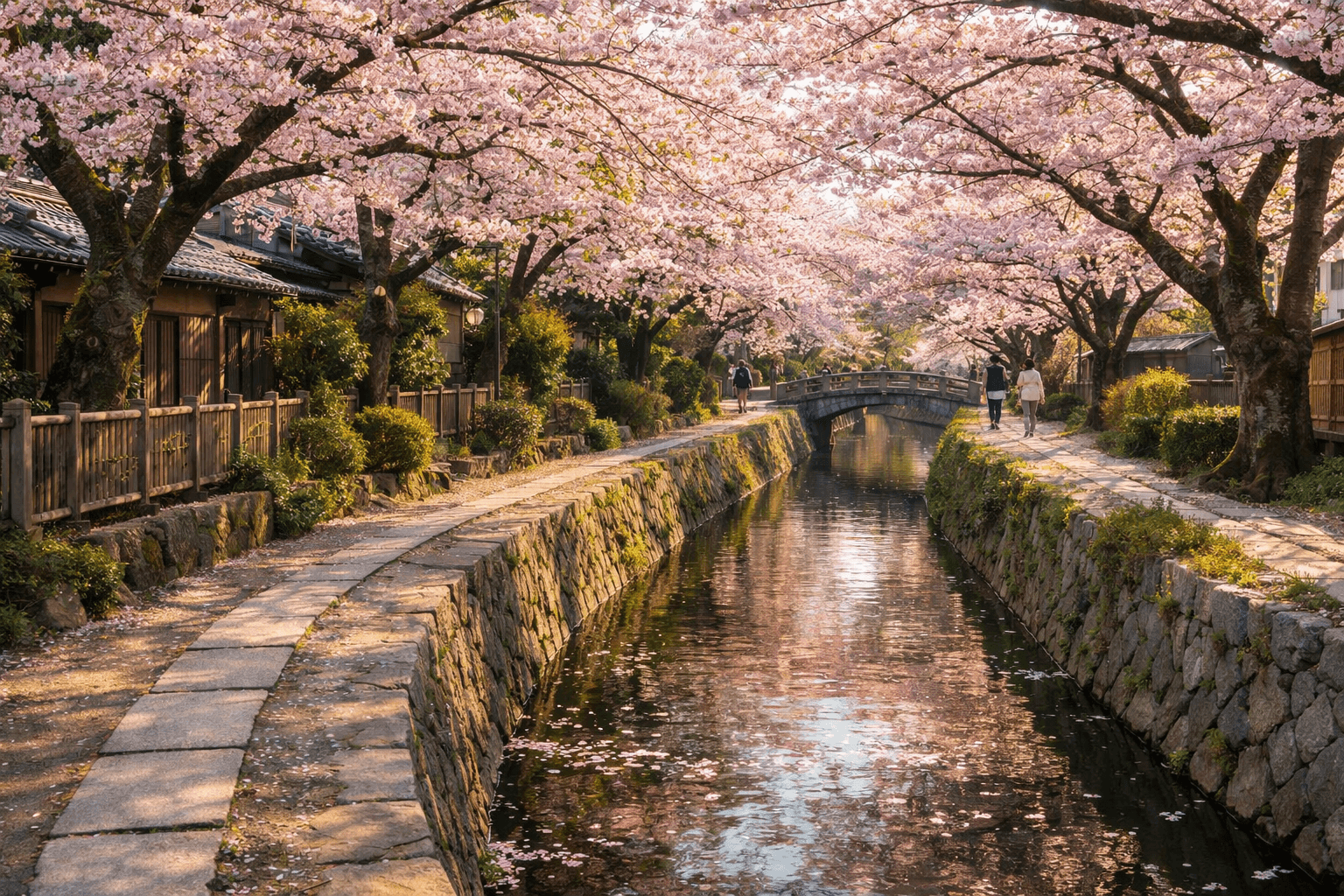
Philosopher's Path (Tetsugaku-no-michi) is a gentle, roughly 2-kilometer stone path that follows a narrow canal in Kyoto’s northern Higashiyama district. Named after the 20th-century philosopher Nishida Kitaro, who reportedly strolled here while thinking, the walk links several small temples, shrines, teahouses, and galleries. It offers a calm, contemplative contrast to Kyoto’s major temple complexes and suits travelers seeking a quieter, more reflective experience.
This place matters culturally as a living example of Kyoto’s integration of urban life with seasonal nature; experientially it’s about pace, detail, and the changing light and foliage. It appeals to solo walkers, couples, photographers, culture-minded travelers, and anyone wanting a relaxed stroll between attractions.
Why Visit
- A peaceful, scenic walk framed by cherry trees and traditional streets.
- Easy access to small temples and cafés that reward slow exploration.
- Excellent for photography, seasonal contrasts (especially spring and autumn), and quiet contemplation.
- Combines naturally with visits to nearby Ginkaku-ji, Nanzen-ji, and smaller neighborhood sites.
Main Areas & What to See
Northern Terminus — Ginkaku-ji (Silver Pavilion)
- What it is: A major Zen temple with moss gardens, a sand garden, and a classic Kyoto temple path.
- Why it matters: Architecturally and historically significant; many visitors start or end the Philosopher’s Path here.
- Notice/do: Walk the garden circuits, step onto the terrace for views, and then head down to the canal to begin the path.
The Canal Walk (Tetsugaku-no-michi) Itself
- What it is: A narrow, tree-lined promenade running between small bridges, stone lanterns, and private homes.
- Why it matters: The path’s charm is the everyday feel—local life set against seasonal foliage and water reflections.
- Notice/do: Move slowly, watch for blossoms or autumn leaves reflected in the water, and pause on the small bridges for photos.
Honen-in and Small Temple Cluster (near the middle)
- What it is: A quiet temple with mossy steps and understated architecture, plus several smaller temples and stone markers nearby.
- Why it matters: Less crowded, with traditional temple gates and gardens that reward exploration.
- Notice/do: Step into grounds quietly, respect prayer areas, and enjoy the moss gardens and stone lanterns.
Southern Terminus — Nanzen-ji and Surrounds
- What it is: A large Zen complex (Nanzen-ji) just south of the path with a famous brick aqueduct and sub-temples.
- Why it matters: Strong architectural contrast and a good place to expand your walk into larger temple grounds.
- Notice/do: Visit the aqueduct for photos, consider entering sub-temples for different garden styles, and head to nearby cafés.
Local Shops & Tea Houses
- What it is: Small cafés, vegetarian restaurants, and craft shops dot the route and nearby side streets.
- Why it matters: They offer a comfortable place to rest, try matcha sweets, and experience Kyoto’s neighborhood hospitality.
- Notice/do: Take a break at a tea house, try yudofu (tofu hot pot) in the Nanzen-ji area, and support local artisans.
Best Time to Visit
- Time of day: Early morning (around 7:00–9:00) for quiet light and fewer people; late afternoon into golden hour is beautiful for photography but busier.
- Crowd considerations: Midday and weekends can be busy, especially during cherry blossom and autumn foliage peak weeks.
- Atmosphere differences: Morning — still and contemplative; midday — lively with tourists and cafés open; evening — peaceful as lights come on and shops close.
Seasonal Highlights
- Spring (late March–early April): Cherry blossoms line stretches of the canal; expect large crowds during peak bloom.
- Summer (June–August): Lush green canopy and warm, humid air; occasional rain can intensify colors but brings mosquitoes—prepare accordingly.
- Autumn (late October–early December): Bright maples create dramatic color; also a very busy season on weekends.
- Winter (December–February): Stark, quiet beauty; fewer visitors and a clearer, crisper light—some shops close seasonally.
- Festivals/special events: The path itself hosts no major festival, but nearby temples hold seasonal ceremonies—check specific temple schedules if you want to attend services or special openings.
Practical Tips
- Cultural etiquette: Keep voices low, avoid blocking the narrow path, and step aside for locals and bicycles. Dress modestly if entering temple buildings.
- Photography: Photos are fine along the path and most temple exteriors; obey signs—some sub-temples restrict photography inside buildings or gardens.
- Payments & access: Most of the walk is free. Individual temples may charge small entrance fees (cash preferred). Many cafés accept cards but small shops and shrine offerings often prefer cash (yen).
- Timing estimate: Allow 60–120 minutes for a relaxed through-walk with a short temple stop; half a day if you plan to enter several temples, have lunch, or linger for photography.
- Accessibility: The path is mostly stone and uneven in places; some sections have steps. Not fully wheelchair-friendly without assistance.
Getting There
- Nearest stations: Keage Station (Kyoto Municipal Subway Tozai Line) is convenient for the middle/southern section; Enmachi/Demachiyanagi area and bus stops serve the northern end near Ginkaku-ji.
- Typical travel time from Kyoto Station: About 20–30 minutes by subway or bus depending on connections; allow extra time during peak tourist seasons.
- On-foot connections: The path sits within easy walking distance of Ginkaku-ji (north end) and Nanzen-ji (south end), so combine visits on foot.
Is It Worth It?
Yes — especially if you value a relaxed, scenic walk and seasonal atmosphere. For first-time visitors it provides a quieter counterpoint to Kyoto’s larger sites; for repeat visitors it offers subtle seasonal changes and neighborhood discoveries. If you’re short on time and must prioritize, visiting Ginkaku-ji or Nanzen-ji might be more essential, but the Philosopher’s Path itself is a rewarding, low-effort way to experience Kyoto’s quieter charms.