
Introduction
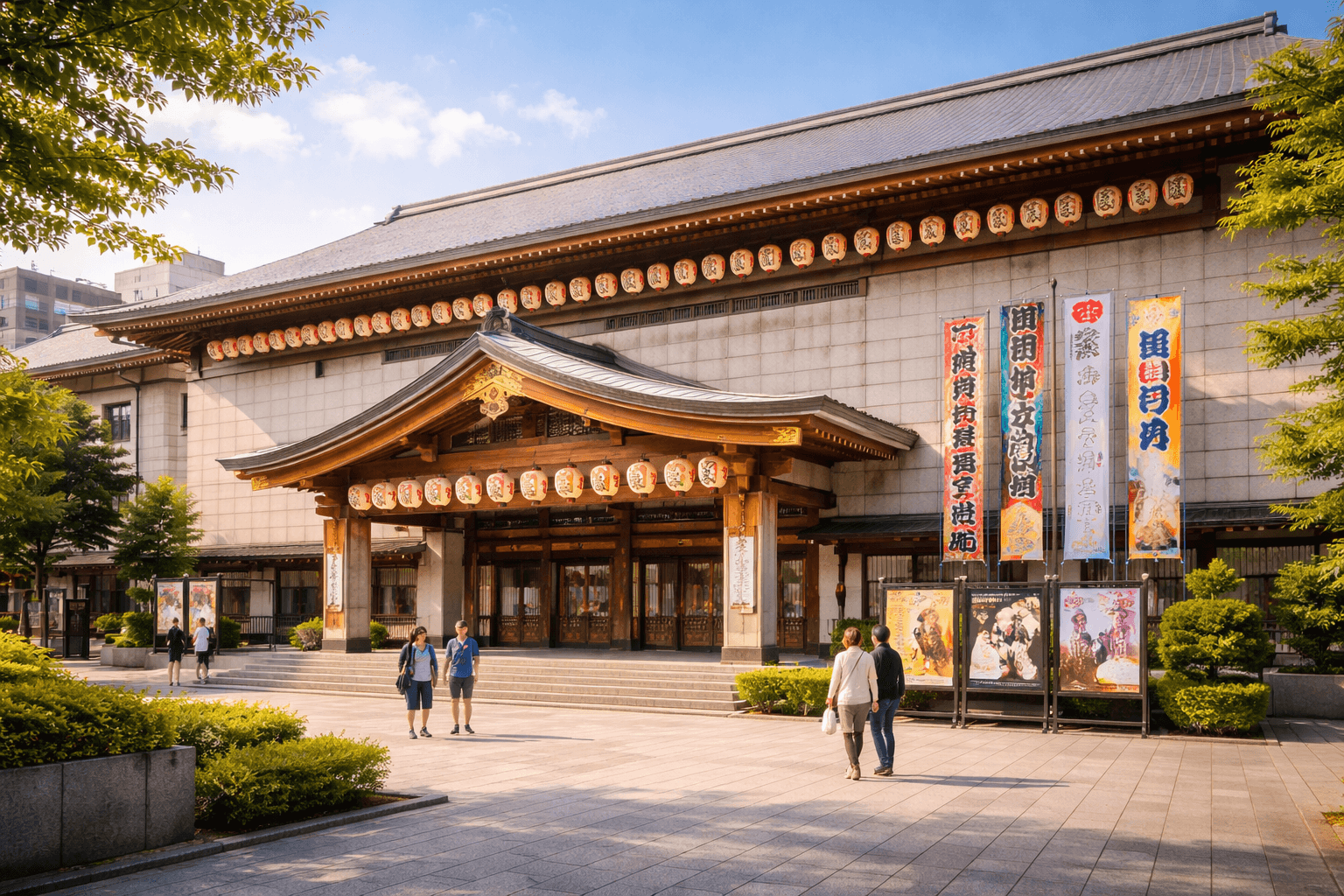
The National Bunraku Theatre (国立文楽劇場) in Osaka is Japan’s premier venue for bunraku — traditional puppet theatre combining puppetry, narrative chanting (joruri), and shamisen music. Opened in 1984 and located in central Osaka, it preserves and promotes this UNESCO-recognized performing art. The theatre offers performances, shorter demonstrations, and a small museum area that explains the craft.
This place appeals to culture-minded travelers, performing-arts enthusiasts, students of traditional Japanese culture, and anyone seeking an intimate, authentic cultural experience beyond typical tourist attractions.
Why Visit
- Experience a rare, living form of Japanese traditional theatre with skilled puppeteers and musicians.
- Gain insight into Japanese storytelling, craftsmanship, and stage traditions not widely seen outside Japan.
- Attend full-length performances or shorter introductory shows suitable for newcomers.
- Visit a compact theatre in the heart of Osaka — easy to combine with nearby neighborhoods (Namba, Dotonbori).
Main Areas & What to See
-
Auditorium
- What it is: The main performance hall where full bunraku plays are staged.
- Why it matters: The acoustics and sightlines are arranged for close viewing of puppetry detail and vocal performance.
- What to notice/do: Watch how multiple puppeteers animate a single puppet; listen to the tayu (narrator) and shamisen interplay. Arrive before curtain to study the stage setup.
-
Exhibition / Museum Corner
- What it is: A small exhibit area with puppets, costumes, tools, and explanatory panels.
- Why it matters: Offers context on puppet construction, puppet sizes, and the three-puppeteer technique.
- What to notice/do: Read labels (some in English), inspect the intricacy of heads and hands, and take photos where allowed.
-
Shop & Lobby
- What it is: Theatre shop sells programs, books, recordings, and souvenirs related to bunraku.
- Why it matters: Good place to buy bilingual program guides and cast lists to follow the performance.
- What to notice/do: Purchase an English-language pamphlet or audio guide if available; check daily schedules at the box office.
-
Practice Rooms / Backstage Views (when available)
- What it is: Occasional open days or events may permit glimpses of rehearsals or masterclasses.
- Why it matters: Seeing rehearsals reveals technique and the teamwork behind each movement.
- What to notice/do: Check the theatre’s event calendar for special backstage-access sessions.
Best Time to Visit
- Time of day: Evening performances are traditional and atmospheric; matinees are easier for daytime schedules.
- Crowd considerations: Peak attendance is during major play cycles (seasonal programs) and weekends. Weekday matinees are quieter.
- Atmosphere differences: Evenings feel more formal and immersive; daytime demonstrations are often more explanatory and visitor-friendly.
Seasonal Highlights
- Seasonal seasons: The theatre runs programs year-round, with multi-week productions and shorter special programs in spring and autumn.
- Special events: Look for beginner-friendly “introduction to bunraku” performances, guest performances, and commemorative programs on cultural anniversaries.
- Holidays: Golden Week and New Year periods may bring special shows or higher demand for tickets.
Practical Tips
- Etiquette: Arrive on time, remain quiet during performance (no applause between lines unless polite breaks), and stand for bows if expected. Remove hats and speak softly.
- Photography: Photography and recording during performances are prohibited. Photos may be allowed in exhibit areas; follow posted rules.
- Language: Performances are in Japanese. Some programs offer bilingual synopses, surtitles, or printed summaries — pick these up at the box office.
- Payments & Tickets: Buy tickets in advance for popular productions. The box office accepts cash and often major cards; online booking may be available. Check start times carefully; long plays can run several hours with intermissions.
- Estimated visit duration: For a full performance plan 2–4+ hours; for exhibitions or a short demonstration plan 45–90 minutes.
Getting There
- Nearest stations: The theatre is within walking distance of Nipponbashi Station (Sakaisuji and Sennichimae lines) and a short walk from Namba Station (multiple lines: JR, Kintetsu, Nankai, Osaka Metro).
- Typical travel time from city center: From Umeda (Osaka Station) expect 15–25 minutes by subway/train; from Kansai Airport allow 60–90 minutes depending on transport chosen.
- Access tips: The theatre sits in central Chuo Ward — easy to combine with Dotonbori and Kuromon Market on the same outing.
Is It Worth It?
Yes, especially for travelers who appreciate live performance and cultural heritage. A full bunraku play is a slow, deeply expressive art form that rewards patience and attention; shorter demonstrations offer a compact way to experience the essentials if your time is limited. If you enjoy theatre, music, or craftsmanship, the National Bunraku Theatre is a memorable and authentic Osaka experience.