
Introduction
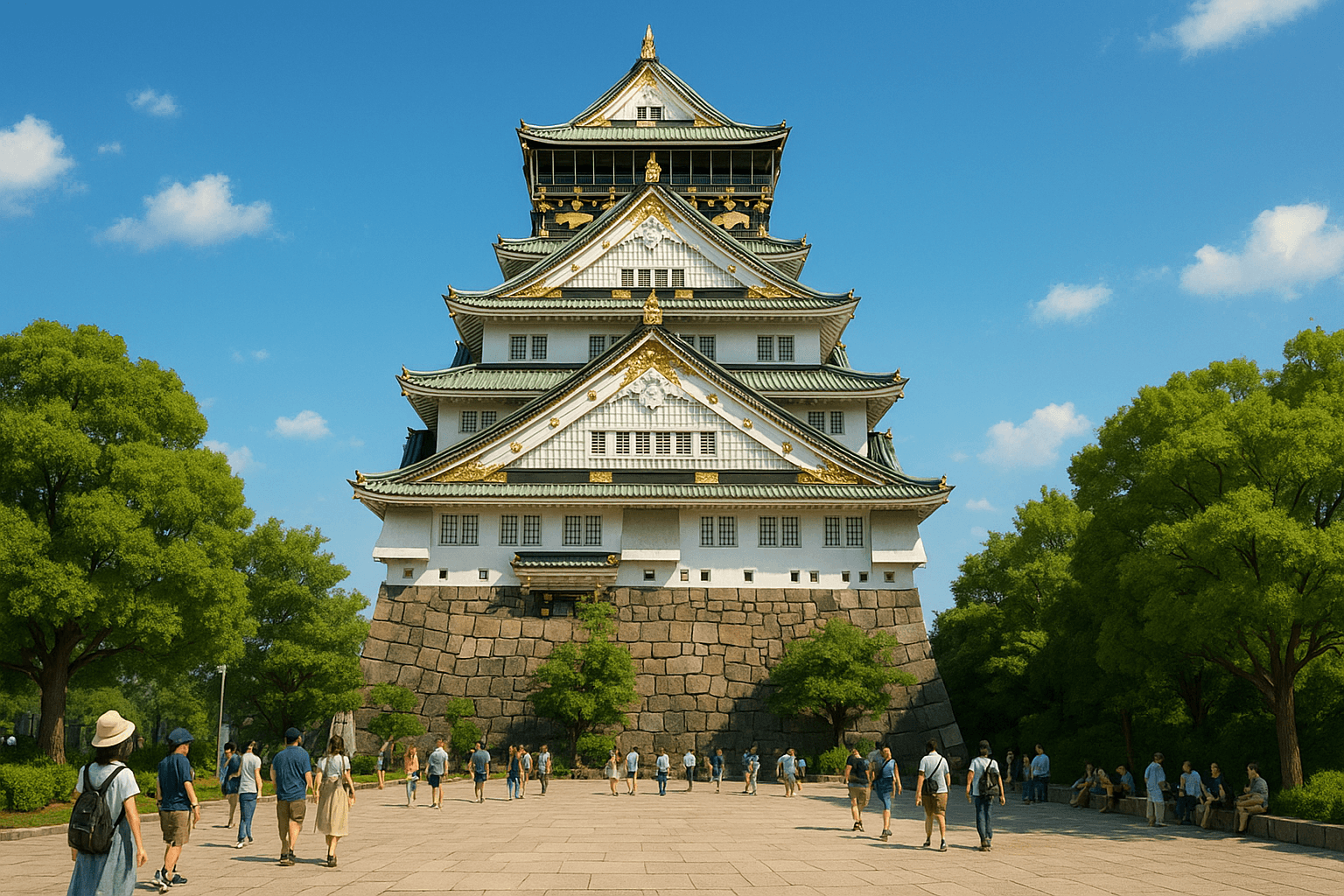
Osaka Castle (Osaka-jō) is one of Japan's most recognizable historic landmarks: a reconstructed 16th-century castle tower set in expansive parkland at the heart of the city. It represents the political and military ambitions of Toyotomi Hideyoshi and has been rebuilt and modernized over the centuries. Visitors come for history, sweeping city views, and the seasonal beauty of the surrounding moat and grounds.
This place appeals to: first-time visitors wanting an iconic Osaka experience; history and architecture enthusiasts; families and photographers; and day-trippers seeking Japanese gardens and seasonal scenery.
Why Visit
- See a dramatic example of Sengoku-period history and a modern museum inside the castle keep.
- Walk extensive parklands and stone walls that frame the castle — great for photos and relaxation.
- Climb (or take the elevator) to the observation deck for panoramic views of Osaka.
- Experience seasonal displays: cherry blossoms in spring and autumn foliage in fall.
Main Areas & What to See
1. The Castle Keep (Tenshukaku)
- What it is: The central, multi-story tower reconstructed in the 20th century, housing a museum and observation deck.
- Why it matters: It interprets Toyotomi Hideyoshi’s role in unifying Japan and displays armor, maps, and period artifacts.
- What to notice/do: Explore the museum floors, watch short historical films if available, and go up to the top for city views.
2. Nishinomaru Garden
- What it is: A walled garden on the western side of the castle grounds.
- Why it matters: Offers one of the best framed views of the castle, especially during cherry blossom season.
- What to notice/do: Stroll the pathways, sit by the lawn, and photograph the castle reflected against seasonal blooms.
3. Stone Walls and Moats
- What it is: Large granite walls and broad moats that protected the castle.
- Why it matters: They demonstrate engineering prowess of the period and make for dramatic landscape photography.
- What to notice/do: Walk the perimeter paths to appreciate scale and architectural detail.
4. Osaka Castle Park (Osaka-jō Kōen)
- What it is: The public park surrounding the castle with pathways, sports grounds, and wooded areas.
- Why it matters: Popular local recreational space — good for picnics, exercise, and seasonal events.
- What to notice/do: Combine a castle visit with a relaxed park walk; check for seasonal markets or performances.
5. Small Shrines and Historic Sites Within the Grounds
- What it is: Minor shrines, memorial stones, and plaques scattered through the park.
- Why it matters: Offer quieter, reflective spots and local cultural context.
- What to notice/do: Pause respectfully, read signage, and observe any small rituals from a distance.
Best Time to Visit
- Time of day: Arrive early (opening hour) to avoid crowds at the castle keep and enjoy softer morning light. Late afternoon can be pleasant for photography and views as the city light begins to change.
- Crowd considerations: Midday and weekend afternoons are busiest, especially during cherry blossom season and national holidays.
- Atmosphere differences: Morning is calmer and better for museums; late afternoon offers warmer light and livelier park activity.
Seasonal Highlights
- Spring (late March–April): Cherry blossoms transform the park — this is the busiest, most picturesque time.
- Summer: Lush greenery; occasional festivals and evening events; hot and humid weather, so bring water.
- Autumn (late October–November): Crisp air and colorful foliage provide excellent photo opportunities with fewer crowds than spring.
- Winter: Cooler, quieter visits with clear views, and fewer tourists; some special illuminations may occur around holidays.
Practical Tips
- Cultural etiquette: Keep noise low in museum areas, avoid stepping on shrine thresholds, and follow directional signs. Queue politely for ticket counters and elevators.
- Photography: Exterior and park photography are fine. Inside the museum, photography may be restricted for certain exhibits — obey posted signs and avoid flash where prohibited.
- Payment & access: There is an admission fee for the castle keep and sometimes for Nishinomaru Garden (fees change periodically). Have cash and a contactless card as many sites accept both. Museum elevators provide accessibility, but some outdoor slopes and stone paths are uneven.
- Timing: Plan 1–2 hours if you only want exterior views and a park walk; 2–3 hours to include the museum and observation deck. Combine with nearby attractions for a half- or full-day itinerary.
Getting There
- Nearest stations: Osakajōkōen Station (JR Osaka Loop Line) is the closest for the park’s western entrance. Other convenient stations include Morinomiya Station (JR, Osaka Metro Chuo & Nagahori Tsurumi-ryokuchi lines) and Temmabashi Station (Keihan & Osaka Metro Tanimachi Line) for eastern access.
- Typical travel time from city centers: From Umeda (Osaka Station), expect about 15–25 minutes by train. From Namba, allow roughly 20–30 minutes depending on transfers.
Is It Worth It?
Yes — Osaka Castle is worth a visit for its mix of history, architecture, and parkland. For travelers short on time, prioritize exterior views and a stroll through Nishinomaru Garden; history buffs and first-time visitors should include the castle museum and observation deck. Expect some crowds during peak seasons, but the site’s scale and seasonal beauty deliver a memorable Osaka experience.