
Introduction
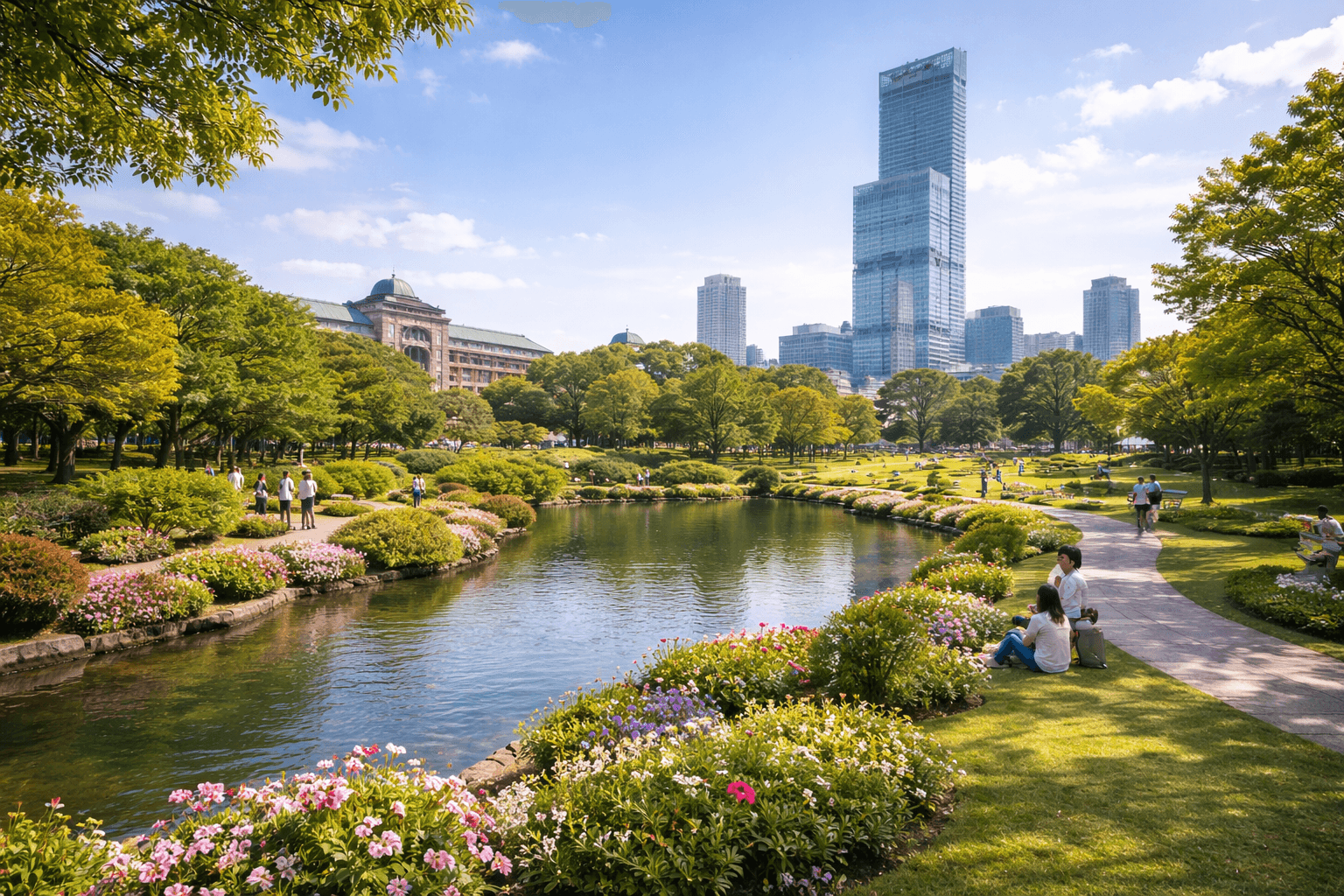
Tennoji Park (天王寺公園) is a leafy urban park complex in southern Osaka that combines a peaceful green space with cultural attractions: the Tennoji Zoo, the Tennoji Botanical Garden, Osaka Municipal Museum of Art (currently subject to redevelopment plans from time to time), and promenades that link to the historic Shitennoji Temple area. It’s significant as a long-established public leisure area that offers contrast to Osaka’s busy shopping districts and appeals to families, nature lovers, history-minded visitors, and city walkers looking for a relaxed half-day outing.
Why Visit
- Easy, compact mix of nature, wildlife, and culture in central Osaka.
- Good for families (zoo and open lawns) and photography (seasonal blooms and city views).
- Convenient access from major train hubs — a simple stop between sightseeing spots.
- Calmer alternative to nearby shopping districts without sacrificing convenience.
Main Areas & What to See
Tennoji Zoo
What it is: A century-old municipal zoo with a variety of mammals, birds, and reptiles. Why it matters: One of Osaka’s long-standing family attractions, useful for short visits and children. What to notice/do: Check feeding times or special exhibits on arrival; routes are walkable and stroller-friendly but expect some uphill paths.
Tennoji Botanical Garden
What it is: A compact botanical garden within the park with themed plantings and seasonal displays. Why it matters: Offers quiet walking routes and strong seasonal interest—cherry blossoms in spring, hydrangeas in early summer, and autumn colors. What to notice/do: Look for well-labeled specimens if you enjoy plant identification; benches and shaded paths make it a restful stop.
Park Promenades & Lawns
What it is: Open lawns, tree-lined paths, and small ponds linking attractions. Why it matters: Ideal for picnics, people-watching, and a break from the city bustle. What to notice/do: Bring a light picnic or buy snacks nearby; the lawns are good for rest between museum or temple visits.
Nearby: Shitennoji Temple & Abeno Harukas Views
What it is: Historic Shitennoji Temple sits a short walk away; Abeno Harukas skyscraper towers nearby with observation decks and shopping. Why it matters: Easy to combine a park visit with cultural and panoramic city experiences. What to notice/do: Time your visit to see temple grounds before or after the park; the Abeno Harukas observation deck is useful if you want wide city views.
Best Time to Visit
Time of day recommendations:
- Morning (08:00–10:30): Cooler, quieter, good for photography and zoo animals being active.
- Late afternoon (15:00–17:30): Softer light for pictures and pleasant strolls as crowds thin.
Crowd considerations:
- Weekends and national holidays are busier, especially around the zoo and lawn areas.
- Early weekdays are the calmest.
Atmosphere differences:
- Mornings feel restorative and bird-filled; afternoons are social with families and local groups.
Seasonal Highlights
- Spring: Cherry blossoms and early-season bulbs; pleasant walking weather.
- Early summer: Hydrangeas and lush foliage in the botanical area.
- Autumn: Colorful leaves in late November to early December bring warm tones to the promenades.
- Winter: Crisp, quiet walks; fewer flowers but clear city views. Special plant or chrysanthemum displays may appear in autumn—check local listings if you need exact dates.
Practical Tips
Cultural etiquette:
- Keep noise low in garden areas and follow posted signs.
- Dispose of trash in designated bins; bring a bag if you plan a picnic and bins are full.
Photography rules or restrictions:
- Photography for personal use is fine in public park areas; respect signage around zoo enclosures and any restricted exhibits.
- Avoid using flash near animals and keep a safe distance from enclosures.
Payment, access, or timing tips:
- Zoo and botanical garden have separate admission fees—carry cash or card, but smaller vendors nearby may prefer cash.
- Many park areas are open daily, but specific facilities (zoo, gardens, museums) follow their own opening hours—plan around their schedules.
- Bring a small umbrella or hat—the park offers little shelter in sudden rain.
Estimated visit duration:
- Quick visit (stroll + coffee): 45–60 minutes.
- Standard visit (zoo or garden plus walk): 2–3 hours.
- Full half-day (combine with Shitennoji or Abeno Harukas): 3–5 hours.
Getting There
Nearest stations or access points:
- Tennoji Station (JR lines, Osaka Metro Midosuji and Tanimachi lines) — main access point.
- Osaka Abenobashi Station (Kintetsu) — a short walk.
Typical travel time from the city center:
- From Umeda/Osaka Station: about 15–25 minutes by rapid JR or subway.
- From Namba: about 10–15 minutes by local train.
Is It Worth It?
Short conclusion: Yes, Tennoji Park is worth a visit for travelers seeking a relaxed, conveniently located green space that complements Osaka’s busy urban attractions. It’s particularly valuable for families, nature breaks between museums or shopping, and visitors who appreciate seasonal plant interest.
Balanced perspective: If you’re pressed for time and prioritizing major cultural landmarks only, you might skip the zoo or botanical garden. But as a half-day stop that mixes greenery, easy walking, and good connections to Shitennoji and Abeno Harukas, it offers solid value and a pleasant contrast to Osaka’s commercial districts.