
Introduction
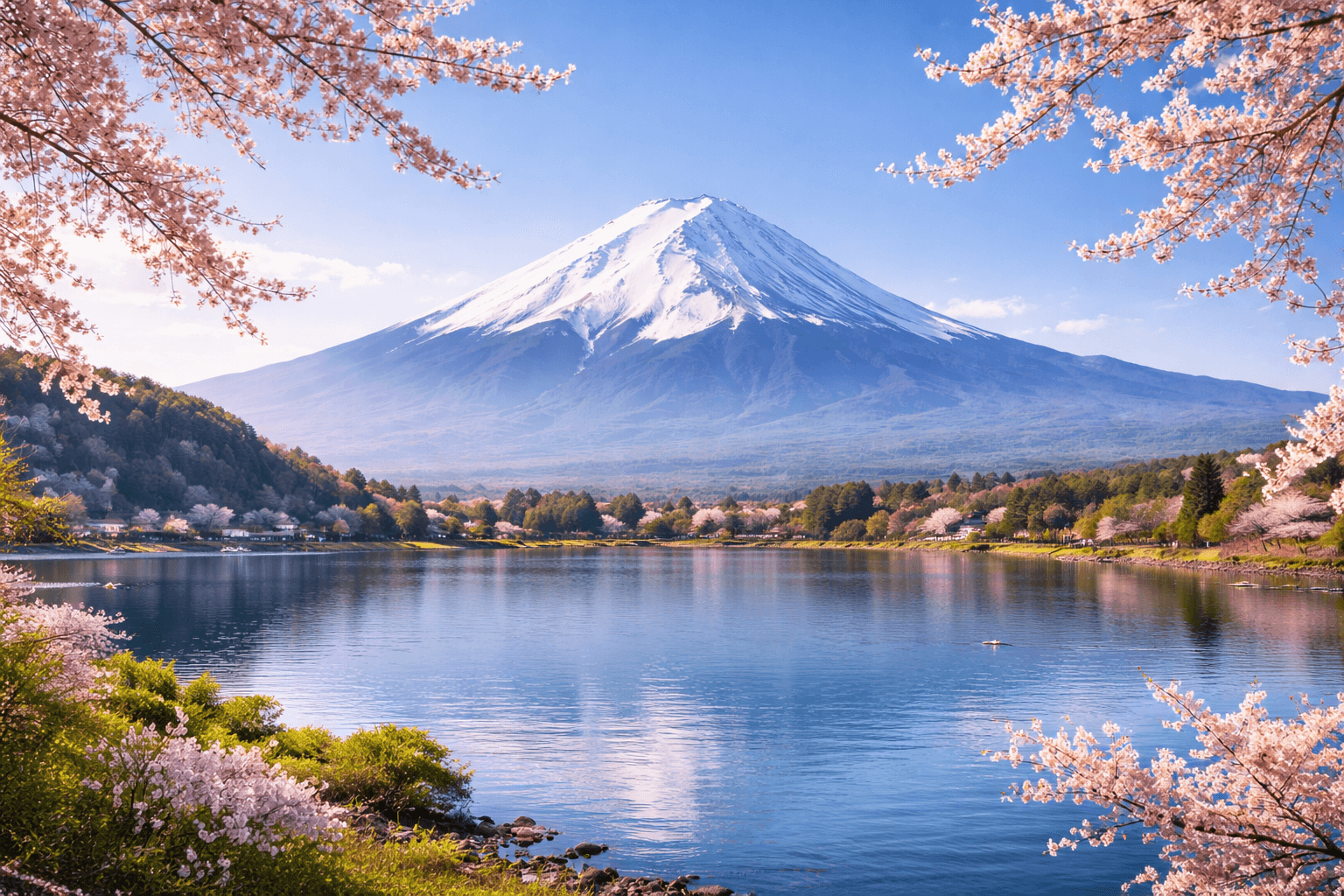
Mt. Fuji (Fuji-san) is Japan’s iconic stratovolcano, rising to 3,776 meters and visible across central Honshu. The portion of Mt. Fuji that sits within Shizuoka Prefecture includes popular climbing routes, lakeside viewpoints, and cultural sites tied to centuries of pilgrimage and art. The mountain is both a natural landmark and a spiritual symbol—sacred in Shintō and celebrated in literature and ukiyo-e prints.
This guide is written for first-time visitors who want an accessible, memorable experience and for repeat visitors seeking deeper or alternative perspectives (lakes, coastal views, cultural stops) around Fuji’s Shizuoka side.
Why Visit
- Panorama and photo opportunities: classic views of the cone from lakes, coastal vantage points, and highways.
- Outdoor activity: hiking, day climbs (seasonal), lakeside walks and cycling.
- Cultural context: shrines, pilgrim routes, and local crafts/food tied to the mountain.
- Accessibility from Tokyo, Nagoya and Shizuoka City—easy day trips or multi-day stays.
Main Areas & What to See
1. Fujinomiya Trailhead & Fujinomiya City
- What it is: The southern climbing gateway and the city that grew at Fuji’s base.
- Why it matters: Shorter ascent routes and the Fujisan Hongū Sengen Taisha shrine, a center of Fuji worship.
- What to notice/do: Visit Sengen Taisha for its torii and shrine rituals; check the Fujinomiya climbing route info and weather before attempting a summit.
2. Subashiri Trail & Gotemba Approach
- What it is: Quieter eastern routes that meet other trails higher up.
- Why it matters: Less crowded in early season; sandy sections known as ‘Osunago’ provide a different climb texture.
- What to notice/do: Start early, carry rain and wind layers; consider descending by sand-run (where allowed) for variety.
3. Lake Tanuki & Lake Kawaguchi Viewpoints (Shizuoka side access)
- What it is: Lakes and lowland vantage points offering classic mirrored views of Fuji.
- Why it matters: Especially photogenic at sunrise and in calm weather; good base for non-climbers.
- What to notice/do: Arrive at dawn for reflections, bring tripod, explore nearby cycling paths and cafés.
4. Fuji Five Lakes (northern border overlap) — eastern Shizuoka access points
- What it is: Cluster of lakes at Fuji’s northern foot providing hiking, boating and museums.
- Why it matters: Varied activities, family-friendly, great seasonal colors.
- What to notice/do: Combine a boat ride with short lakeside walks; check visibility forecasts before planning photo shoots.
5. Fuji Sengen Shrines & Cultural Sites
- What it is: Network of shrines and stone markers linked to pilgrimages up Fuji.
- Why it matters: Offers historical perspective on Fuji as a sacred mountain.
- What to notice/do: Observe shrine etiquette (bow, purification), look for carving and ema (votive plaques).
6. Coastal & Highway Viewpoints (Suruga Bay, Shiraito Falls nearby)
- What it is: Coastal vantage points and waterfalls on the southern slopes.
- Why it matters: Fuji framed against Suruga Bay at sunset or observed alongside Shiraito Falls for a combined nature day-trip.
- What to notice/do: Visit during late afternoon for warm light; bring insect repellent in warm months.
Best Time to Visit
- Time of day: Sunrise and early morning offer the clearest air and the best light for photography; late afternoon and sunset give dramatic colors but may bring haze.
- Crowd considerations: Weekends and Japanese public holidays (Golden Week, Obon, New Year) are busiest. Weekdays are much calmer.
- Atmosphere differences: Mornings—quiet and crisp; midday—tourist activity and buses; evenings—golden light, cooling temperatures.
Seasonal Highlights
- Spring (Mar–May): Snow still on the peak early, cherry blossoms in lower towns—good for combined blossom and mountain views.
- Summer (Jun–Aug): Official climbing season is typically early July to early September (check current dates). Warm at the base, very cold and windy on summit.
- Autumn (Sep–Nov): Clearer air and autumn foliage on lower slopes; great visibility and fewer crowds after the climbing season ends.
- Winter (Dec–Feb): Snow-covered cone with crisp skies; many roads and trailheads may be closed—best for viewing rather than climbing.
- Festivals / events: Local shrine festivals and seasonal markets occur in nearby towns; dates vary—check local calendars if timing matters.
Practical Tips
- Cultural etiquette: Bow at shrine entrances, remove hats for shrine rituals, respect trails and signposted restrictions. Do not pick plants or leave litter.
- Photography rules: Drones are restricted in many areas near the mountain and parks—check local regulations before flying. Respect privacy of shrines and other visitors when photographing.
- Payment & access: Many rural shops accept cash only—carry yen. IC cards work for trains and buses in many areas but check before boarding regional buses.
- Timing: Allow 1–3 hours for lake viewpoints or shrine visits; a half-day for coastal viewpoints; a full day (or overnight) for non-technical explorations; summit climbs require careful planning and 10–12+ hours round trip for beginners.
Getting There
- Nearest major stations: Mishima Station (Tōkaidō Shinkansen access via Shizuoka), Fuji Station, and Fujinomiya Station serve Shizuoka-side access points.
- Typical travel time from city centers:
- From Tokyo Station to Mishima Station by Tōkaidō Shinkansen: about 45–55 minutes; from Mishima to Fujinomiya by local train/bus 30–60 minutes depending on route.
- From Shizuoka City center to Fuji/Fujinomiya area: roughly 60–90 minutes by local trains and buses.
- From Nagoya: 90–120 minutes by Shinkansen to Mishima or Shizuoka then local connections.
- Local buses: Bus connections run from major stations to trailheads and lakes but schedules thin out in evenings—check the day’s timetable.
Is It Worth It?
Yes—Mt. Fuji in Shizuoka is worth visiting whether you aim to climb, photograph, or simply soak in landscapes and culture. For summit attempts, it demands careful planning, appropriate gear and respect for changing weather. For non-climbers, the surrounding lakes, shrines and coastal views provide accessible, memorable experiences that convey why Fuji remains Japan’s most enduring symbol.