
Introduction
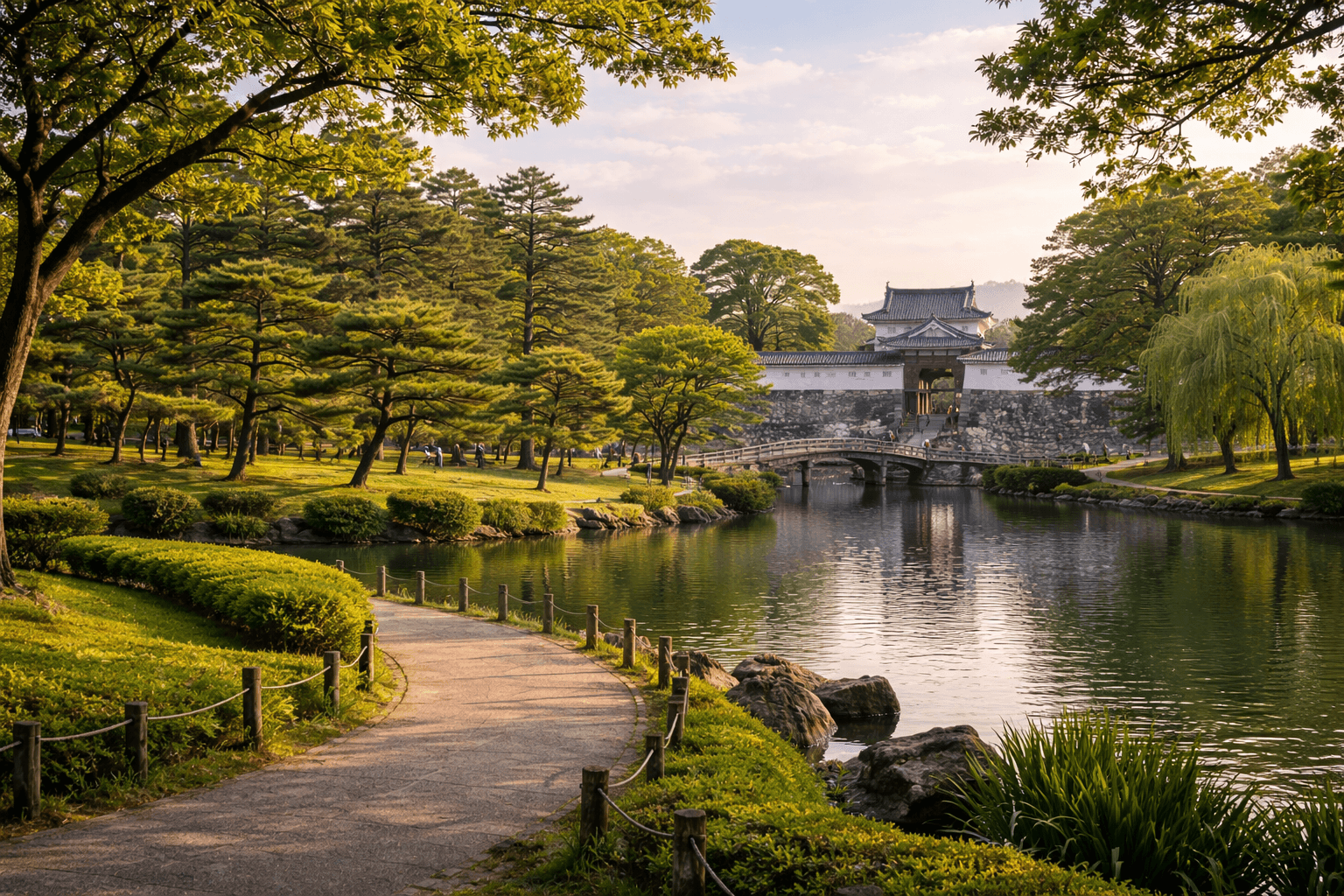
Sumpu Park (also spelled Sunpu Park) is a spacious urban park in central Shizuoka built around the site of Sunpu Castle, the historic residence of Tokugawa Ieyasu. It combines castle ruins, gardens, museum displays, and broad lawns, offering a quiet cultural green space in the city. The park is significant for its Edo-period history, well-maintained landscape, and as a local gathering place.
It appeals to history enthusiasts, families, photographers, and travelers seeking a relaxed cultural stop close to Shizuoka’s transport hubs.
Why Visit
- Walk through the grounds of Sunpu Castle and sense its Tokugawa-era importance.
- Enjoy seasonal displays — especially cherry blossoms in spring and colorful leaves in autumn.
- Easy, central green space for a leisurely break between sightseeing or before onward travel.
- Compact museum and reconstructed features that explain local history without needing a long tour.
Main Areas & What to See
Sunpu Castle Ruins (honmaru area)
- What it is: The central historic area where the castle’s main keep once stood; stone walls and moats remain.
- Why it matters: Sunpu was Tokugawa Ieyasu’s base during important years that shaped modern Japan.
- What to notice/do: Walk along the reconstructed walls, view the moats, and imagine the Edo-period layout. Look for informational plaques explaining the site’s history.
Park Gardens and Cherry Tree Groves
- What it is: Landscaped lawns, walking paths, ponds, and clusters of cherry trees.
- Why it matters: The gardens provide seasonal highlights and traditional Japanese garden elements in a city setting.
- What to notice/do: Time a visit for sakura (late March–early April) or autumn foliage; bring a picnic or sit on a bench to watch local life.
Shizuoka City Museum/Exhibition Area
- What it is: Small museum/exhibit spaces (sometimes inside or adjacent to the park) displaying artifacts and models related to the castle and local history.
- Why it matters: Gives context to what you see in the park and helps first-time visitors understand Sunpu’s historical role.
- What to notice/do: Spend 20–40 minutes skimming exhibits; check opening hours before planning.
Open Lawns and Community Spaces
- What it is: Wide grassy areas used by locals for exercise, relaxation, and events.
- Why it matters: Shows modern, living use of a historic site and is ideal for a rest stop on city tours.
- What to notice/do: Great for families or travelers needing a break — bring a blanket and enjoy a short rest.
Best Time to Visit
- Time of day: Morning or late afternoon for softer light and cooler temperatures; midday is fine but busier on weekends.
- Crowd considerations: Weekdays are quieter. Cherry blossom season and public holidays attract large local crowds, especially mid-morning to early afternoon.
- Atmosphere differences: Mornings feel peaceful and local; afternoons bring more families and visitors; evenings can be atmospheric when lantern events or illuminations occur (if scheduled).
Seasonal Highlights
- Spring: Cherry blossoms (late March–early April) — classic hanami atmosphere around the moats and lawns.
- Summer: Lush greenery and comfortable shade; occasional community events or festivals nearby.
- Autumn: Leaves turn warm reds and golds, offering strong photo opportunities along paths and moats.
- Winter: Crisp, quiet walks with clear views of the park layout; fewer crowds.
Practical Tips
- Cultural etiquette: Keep voices moderate, avoid trampling planted areas, and follow any signs. Dispose of trash in designated bins or take it with you.
- Photography: Public outdoor photography is fine; respect private events and any museum/exhibit no-photo rules.
- Payment/access: The park grounds are generally free. Some museum exhibits or reconstructed buildings may charge a small fee; carry cash and a card just in case.
- Timing: Plan 45 minutes to 1.5 hours for a relaxed visit; longer if you linger for a picnic, visit the museum, or photograph the blossoms.
Getting There
- Nearest stations: The park is within easy walking distance from Shizuoka Station (central Shizuoka). Local bus stops also serve the area.
- Typical travel time from the city center: From Shizuoka Station the walk is roughly 10–20 minutes depending on pace and which park entrance you use; allow slightly longer if you stop for photos or explore exhibits.
Is It Worth It?
Sumpu Park is a compact, low-effort way to experience a slice of Shizuoka’s history and seasonal beauty. For first-time visitors with limited time in the city it’s a worthwhile, calming stop; for repeat visitors it’s a dependable place to relax, photograph seasonal displays, or deepen understanding of Tokugawa-era history. If you’re short on time and prefer high-energy attractions, consider a brief stroll rather than a long stay.