
Introduction
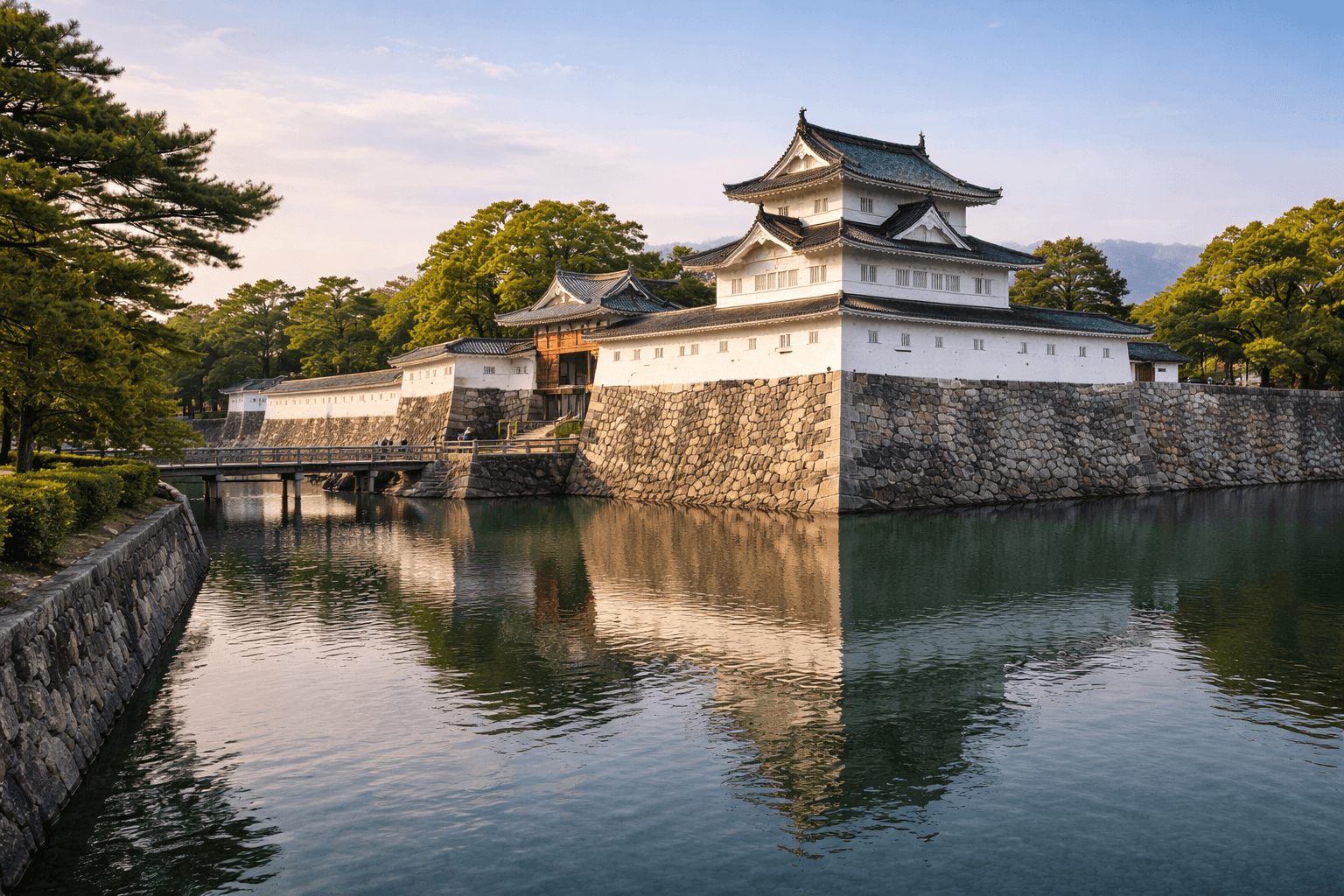
Sunpu Castle (also spelled Sumpu Castle) sits in central Shizuoka City on the edge of the Abe River plain. Originally a Muromachi-period fortress and later the Tokugawa Ieyasu’s administrative base in the early 1600s, the site today combines reconstructed castle features, peaceful gardens and a compact museum. It’s a calm, historically rich stop that gives insight into Shizuoka’s role in Japan’s feudal era.
This place appeals to history-minded travelers, people seeking a quiet park visit near Shizuoka Station, and anyone who wants a short cultural diversion between Fujisan sightseeing and coastal activities.
Why Visit
- Walk the grounds of a historically important Tokugawa-era castle site without large crowds.
- See reconstructed gates, stonework and a small museum that explain local history.
- Enjoy a peaceful garden and good views of the surrounding city and, on clear days, Mount Fuji.
Main Areas & What to See
Castle Park and Moats
- What it is: The site’s green space with restored moats and earthen walls.
- Why it matters: The moats outline the original castle layout and provide a quiet urban refuge.
- What to notice/do: Walk the paths along the moats, watch for seasonal blossoms, and use viewpoints to frame photos of the ruins with cityscape or Mount Fuji.
Reconstructed Gates and Stonework
- What it is: Carefully rebuilt wooden gates and preserved stone foundations.
- Why it matters: They offer a tangible sense of castle construction and defensive design from the Edo period.
- What to notice/do: Examine joinery and stone fitting; gates are photogenic but be mindful of signage about restricted areas.
Sunpu Castle Museum
- What it is: A small museum near the castle zone with artifacts and displays on Tokugawa Ieyasu and local history.
- Why it matters: Contextualizes the site’s importance and helps visitors understand regional politics and culture.
- What to notice/do: Allow time for the exhibits explaining Ieyasu’s governance and local artifacts—English labels may be limited, so photos or translation apps can help.
Gardens and Seasonal Plantings
- What it is: Landscaped areas within the park that change with the seasons.
- Why it matters: They create a pleasant atmosphere for strolls and photography.
- What to notice/do: Look for plum and cherry blossoms in spring and autumn foliage; benches and shaded spots are good for a short rest.
Best Time to Visit
- Time of day: Morning or late afternoon for softer light and fewer visitors. Early morning offers the most peaceful experience.
- Crowd considerations: The castle is generally quieter than major tourist sites, but weekends and national holidays bring local families and school groups.
- Atmosphere differences: Mornings are contemplative and cool in summer; afternoons are better for museum time and city views.
Seasonal Highlights
- Spring: Plum blossoms (late winter–early spring) and cherry blossoms nearby create a classic Japanese park experience.
- Summer: Lush green lawns and shaded walks; bring sun protection and water.
- Autumn: Crisp air and colorful foliage make the park especially picturesque.
- Winter: Clear days can offer distant views of Mount Fuji; the site is tranquil and often empty.
Practical Tips
- Cultural etiquette: Keep voices low, respect signage, and remove shoes if instructed in indoor exhibits. Bowing and polite behavior are appreciated but not required.
- Photography: Exterior and landscape photography is fine. Follow posted rules near museum exhibits or reconstructed interiors—flash and tripods may be restricted.
- Payment & access: Entrance to the park itself is typically free; the museum may charge a modest fee. Cash is widely accepted; some on-site facilities may not take cards.
- Timing: Plan 45 minutes to 1.5 hours for a focused visit; combine with nearby attractions if you have more time.
Getting There
- Nearest station: Shizuoka Station (JR Tokaido Line) is the main rail hub.
- Typical travel time from city center: From Shizuoka Station it’s a 15–20 minute walk or a 5–10 minute local bus/taxi ride depending on where you start in the station area.
- Arrival tips: Exit toward the north side of the station and follow signs or local maps; buses and taxis are convenient if you prefer not to walk.
Is It Worth It?
Sunpu Castle is worth a short stop for travelers interested in Tokugawa history or seeking a quiet park near central Shizuoka. It won't replace larger castle experiences elsewhere, but its relaxed atmosphere, clear historical links to Tokugawa Ieyasu and easy access from Shizuoka Station make it a valuable addition to a half-day itinerary.