
Introduction
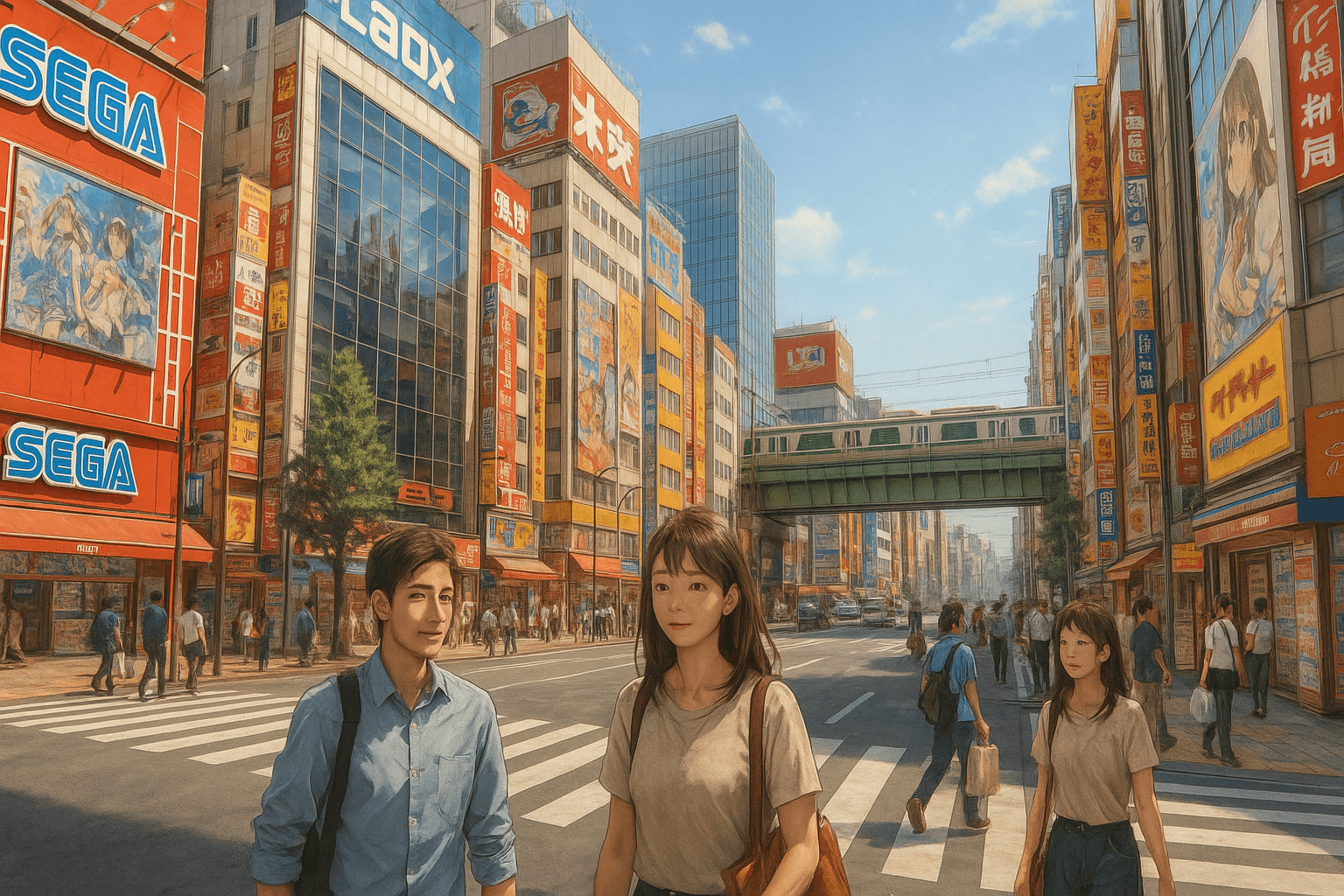
Akihabara (Akiba) is Tokyo’s famed electronics and pop-culture neighborhood, known for multi-story electronics stores, niche hobby shops, anime and manga boutiques, maid cafés, and retro gaming arcades. Once a post-war electronics market, it evolved into the global center for otaku culture and specialist tech retail. Akihabara appeals to tech shoppers, anime and gaming fans, photographers, and curious first-time visitors who want a vivid slice of modern Tokyo.
Why Visit
- Explore a concentrated mix of electronics, gadgets, and specialty hobby goods.
- Immerse yourself in anime, manga, and gaming culture from niche shops to arcades.
- Experience uniquely Tokyo cafés and themed entertainment (maid cafés, retro arcades).
- Find rare parts, vintage electronics, and collectible figures unavailable elsewhere.
- Great for short, energetic strolls with abundant photo opportunities.
Main Areas & What to See
Chuo-dori (Main Street)
- What it is: The wide pedestrian-friendly avenue that becomes busiest on weekends.
- Why it matters: Heart of Akihabara’s street bustle, lined with flagship stores and billboards.
- What to notice/do: Walk the full length, pop into chain electronics stores (Yodobashi Multimedia Akiba), and watch costumed promoters and street performers (observe respectful distance).
Electric & Electronics Stores
- What it is: Multi-floor shops selling cameras, components, PC parts, appliances, and gadgets.
- Why it matters: You can compare models, find specialty parts, and buy tax-free as a tourist in participating stores.
- What to notice/do: Bring passport for tax-free purchases; ask staff for English help or samples; inspect return policies.
Anime & Figure Shops (e.g., Mandarake, Animate)
- What it is: Boutiques and multi-story shops dedicated to anime, manga, collectibles, and doujin goods.
- Why it matters: Source for rare, secondhand, and limited-edition items sought by collectors.
- What to notice/do: Check upper floors for specialty items; packaging is often fragile—carry protective bags.
Retro Game Arcades & Game Centers
- What it is: Multi-level arcades with claw machines, classic cabinets, rhythm games, and prize floors.
- Why it matters: A lively way to experience Japanese game culture across generations.
- What to notice/do: Bring coins or a rechargeable card, watch local players for tips, and resist noisy behavior in quiet corners.
Maid Cafés & Themed Restaurants
- What it is: Cafés where staff perform themed service and light shows; part of Akihabara’s service-culture attraction.
- Why it matters: A uniquely Akihabara experience illustrating themed hospitality trends.
- What to notice/do: Read house rules, respect boundaries (no photography in many cafés), and budget for cover charges and drinks.
Kanda Myojin Shrine (nearby)
- What it is: A historic Shinto shrine within easy walking distance.
- Why it matters: Quiet contrast to Akihabara’s neon; many visitors come to pray for business, tech luck, and safety.
- What to notice/do: Observe standard shrine etiquette (bow, cleanse hands, be quiet) and notice ema (prayer plaques) with pop-culture motifs.
Best Time to Visit
- Time of day: Late morning to early afternoon for shopping; evenings for illuminated signs and arcades; weekends for the lively street atmosphere.
- Crowd considerations: Weekends and holidays are busiest—expect larger crowds on Chuo-dori. Weekday mornings are calmer.
- Atmosphere differences: Daytime is more shopping-focused and practical; evenings are colorful and energetic with arcades and themed-café performances.
Seasonal Highlights
- Spring: Pleasant walking weather; combine with nearby cherry blossom spots in central Tokyo.
- Summer: Hot and humid—arcades and indoor shops provide air-conditioned refuge; some outdoor promotions and cosplay events.
- Autumn: Cooler, comfortable for long walks and exploring markets.
- Winter: Festive lighting and fewer crowds on cold weekdays; many stores run year-end sales.
- Events: Occasional anime expos, pop-up stores, and cosplay gatherings—dates vary, so check event calendars before traveling.
Practical Tips
- Cultural etiquette: Be polite and quiet in shops; follow store staff instructions; avoid eating while walking on main streets.
- Photography: Allowed in public streets, but many stores and cafés forbid photos—look for signage and ask permission.
- Payment & access: Major stores accept cards; many smaller shops are cash-preferred—carry some yen. Free Wi‑Fi is limited; consider a pocket Wi‑Fi or eSIM.
- Language: Basic English is available in larger shops; have item names or images handy for niche parts.
- Timing: Plan 2–4 hours for a thorough visit; a quick walk-through can be done in under an hour.
Getting There
- Nearest stations: Akihabara Station (JR Yamanote Line, Keihin-Tōhoku Line, Chūō-Sōbu Line), Tokyo Metro Hibiya Line (Akihabara Station), and Tsukuba Express (Akihabara Station).
- Typical travel time from city center: From Tokyo Station — about 4–6 minutes by JR Yamanote/Keihin-Tōhoku; from Shinjuku — about 25 minutes by JR lines; from Shibuya — ~25–30 minutes.
- Access tips: Exit via the Electric Town (Central) exit for quickest access to Chuo-dori and main shopping streets.
Is It Worth It?
Akihabara is worth visiting for first-timers seeking a concentrated, modern Tokyo experience and for hobbyists searching for rare electronics, figures, or games. It can feel crowded and commercial, but pockets of charm (retro arcades, small specialty shops, and nearby shrine) reward exploration. If you dislike crowds or themed entertainment, a brief visit may suffice; collectors and pop-culture fans will likely want several hours or repeat visits.