
Introduction
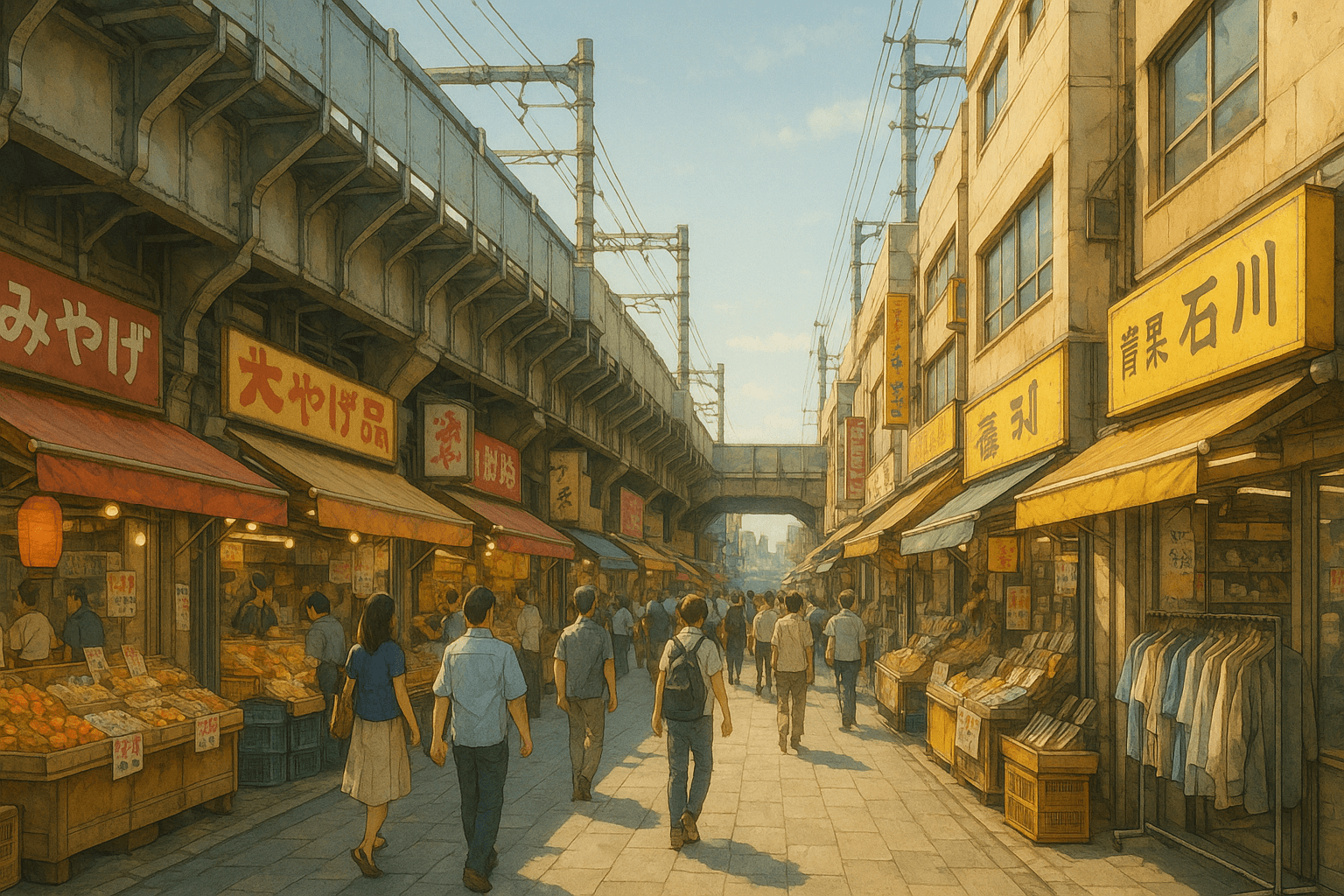
Ameyoko (short for Ameya-Yokocho) is a lively open-air market street running between Ueno and Okachimachi stations in Tokyo. Once a postwar black‑market area, it has evolved into a bustling shopping strip known for discounted goods, fresh and dried food, street snacks, and a boisterous, friendly market atmosphere. It’s valued for its energetic street-level commerce, old‑Tokyo character, and mix of domestic shoppers and tourists.
This place appeals to budget shoppers, food lovers, culture-curious travelers, and anyone who wants a sensory, unpolished Tokyo experience beyond the polished department stores.
Why Visit
- Wide selection of street food and casual dining at reasonable prices.
- Great bargains on cosmetics, clothing, sneakers, and souvenirs.
- A slice of Tokyo history and everyday life with a lively, local atmosphere.
- Easy to combine with a visit to nearby Ueno Park, museums, and Ameya‑Yokocho’s side streets.
Main Areas & What to See
-
Market Avenue (main covered street)
- What it is: The central, often-crowded thoroughfare lined with shops and food stalls.
- Why it matters: It’s the heart of the market where most bargains and snacks are found.
- Notice/do: Walk both sides, sample takoyaki, yakitori, or melon pan; haggle politely on non-fixed-price items.
-
Fresh & Dried Food Stalls
- What it is: Stalls selling seafood, dried fruits, spices, and imported goods.
- Why it matters: Offers affordable ingredients and regional snacks to try or bring home.
- Notice/do: Look for seasonal seafood and packaged snacks for gifts; ask before photographing close-up of goods.
-
Clothing, Shoes & Accessories Rows
- What it is: Small shops and stands with fashion, athletic shoes, bags, and bargain outerwear.
- Why it matters: Good place for last-minute apparel and discounted brand items.
- Notice/do: Check sizes carefully; inspect returns/exchanges policies for pricier purchases.
-
Side Streets & Specialty Shops
- What it is: Narrow alleys with specialty stores—spices, imported candy, traditional sweets, and discount cosmetics.
- Why it matters: These reveal the market’s variety and hidden finds.
- Notice/do: Explore away from the main lane to find quieter stalls and niche items.
Best Time to Visit
- Time of day: Late morning to early afternoon (10:00–14:00) is lively with full stall selection and food prep; late afternoon sees fewer crowds and some sellers offering deeper discounts.
- Crowd considerations: Weekends and holidays are busiest; arrive early on weekends to avoid peak crowds.
- Atmosphere differences: Morning feels bustling and fresh; evenings are cozier with more food-eating areas filling up.
Seasonal Highlights
- Spring/Summer: More fresh seafood and seasonal fruits; comfortable for outdoor snacking.
- Autumn/Winter: Heavier comfort foods and hot snacks (oden, stewed dishes); good time for warm street food.
- Special events: Market stays busy around year-end for holiday shopping; occasional local promotions or sales periods—expect more crowds around national holidays.
Practical Tips
- Cultural etiquette: Be respectful, patient, and polite. If you handle merchandise, ask first. A brief bow or simple "arigato" is appreciated when a purchase is made.
- Photography: Casual photos are usually fine in busy public areas; avoid close-up shots of vendors or staff without permission and do not photograph price tags if vendors indicate otherwise.
- Payment: Many small stalls prefer cash; larger shops accept cards and electronic payments. Carry some yen for quick purchases and snacks.
- Accessibility: Streets are narrow and can be uneven; expect limited wheelchair access in some alleys.
- Estimated visit duration: 1–2 hours for a focused visit; 2–4 hours if combining shopping, eating, and nearby sightseeing.
Getting There
- Nearest stations: Ueno Station (JR Yamanote, Keihin‑Tohoku, Ginza and Hibiya subway lines) and Okachimachi Station (JR Yamanote/Keihin‑Tohoku). The market lies between the two—follow signs for Ameya‑Yokocho or ask station staff.
- Typical travel time from Tokyo Station: about 10–15 minutes by JR Yamanote/Keihin‑Tohoku line (single‑train direct ride), plus a short walk from the station exit.
Is It Worth It?
Yes—especially if you enjoy hands‑on shopping, street food, and an authentic, energetic market scene. For bargain hunters and food explorers it’s a rewarding stop; if you prefer calm, curated shopping, plan a shorter visit or go early to avoid crowds.