
Introduction
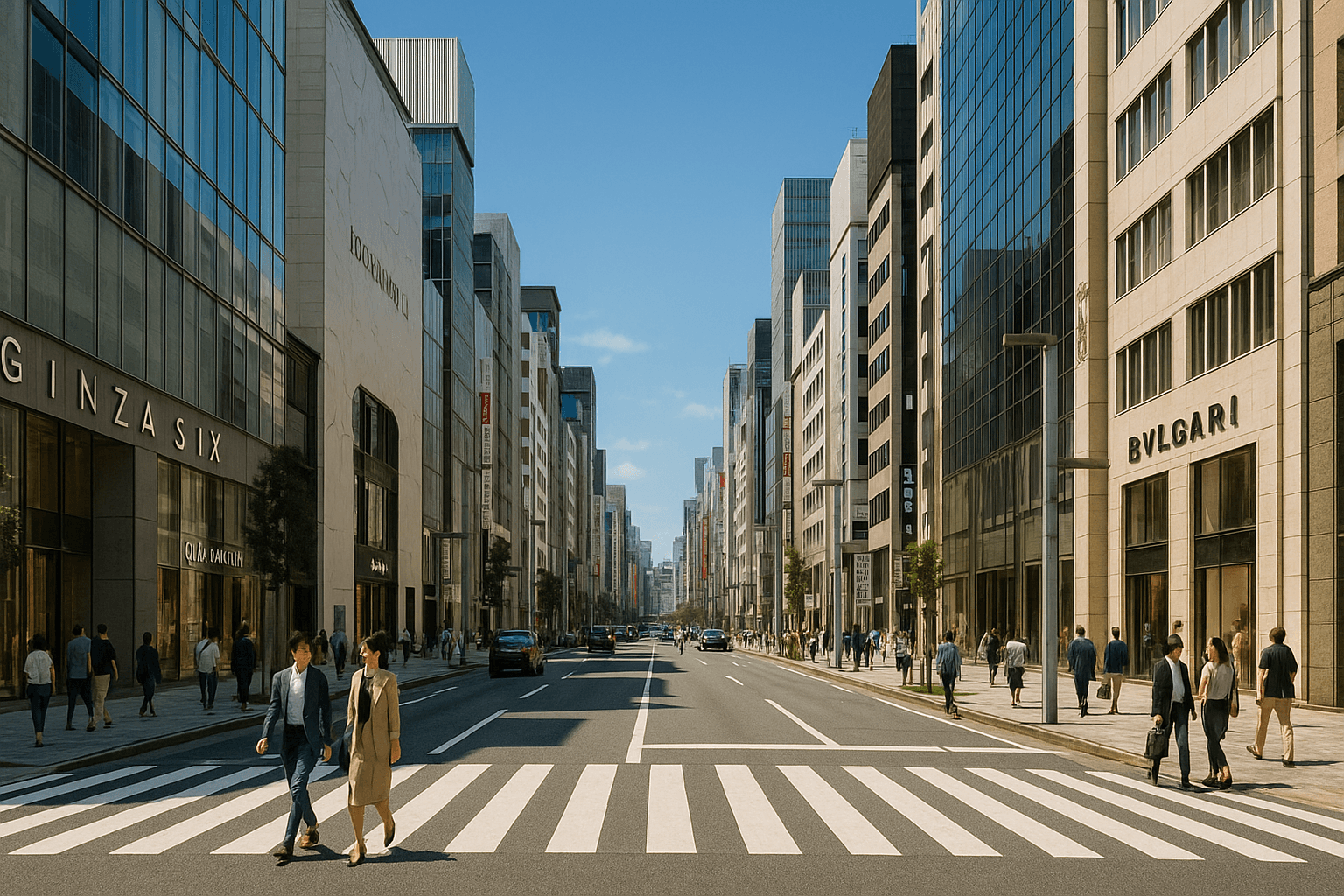
Ginza is Tokyo’s premier shopping and dining district, known for its broad, tree-lined avenues, flagship department stores, refined boutiques, and a dense concentration of high-quality restaurants. Historically a post-fire redevelopment area in the late 19th century, Ginza became a symbol of modernity in Japan and today blends upscale commerce with cultural touches—from classic kabuki venues to contemporary galleries.
Ginza appeals to travelers who enjoy urban design, fine dining, art and design, and window-shopping for luxury goods. It’s equally rewarding for first-time visitors wanting an accessible slice of Tokyo sophistication and returning travelers seeking top-tier meals, galleries, and an elegant evening atmosphere.
Why Visit
- World-class dining (sushi counters, kaiseki, high-end international restaurants).
- Signature shopping: department stores, luxury brands, and unique Japanese boutiques.
- Architecture and design — a mix of historical storefronts and modern flagship buildings.
- Easy to combine with nearby attractions (Tsukiji, Marunouchi, Yurakucho).
Main Areas & What to See
Chuo-dori (Main Ginza Avenue)
What it is: The main wide boulevard running through Ginza, closed to car traffic on weekend afternoons. Why it matters: It’s the visual and social spine of the neighborhood, lined with flagship stores and cafés. What to notice/do: Stroll on a weekend for pedestrian-only shopping, watch elaborate window displays, and pause at a café for people-watching.
Ginza Six & Major Department Stores (Matsuya, Mitsukoshi, Wako)
What it is: Large, multi-level department stores and shopping complexes. Why it matters: They offer a curated selection of Japanese and international brands, food halls, and rooftop gardens. What to notice/do: Visit the food basement (depachika) for packaged gifts, local delicacies, and quick-quality meals; check the rooftop for small gardens or art installations.
Kabukiza Theatre (Higashi-Ginza edge)
What it is: Tokyo’s principal venue for kabuki, Japan’s classical theatre form. Why it matters: It preserves an important performing-art tradition in an easily accessible location. What to notice/do: Even if you don’t watch a full performance, consider the museum and short-act tickets for single-act experiences.
Galleries and Design Streets (around Namiki-dori & Kyukyodo area)
What it is: Concentration of art galleries, design shops, stationery stores, and small ateliers. Why it matters: Ginza isn’t only luxury labels—this is where contemporary Japanese design, crafts, and specialty goods shine. What to notice/do: Browse specialty stationery, pick up traditional crafts, and peek into small contemporary galleries for rotating shows.
Yurakucho & Ginza Apple/Backstreets
What it is: Transitional area toward Yurakucho with more casual dining, izakaya alleys beneath the train tracks, and cinemas. Why it matters: Offers a contrast to Ginza’s polish—vibrant after-work drinking spots and more affordable eats. What to notice/do: Explore the under-track alleys in the evening for casual yakitori and local atmosphere.
Best Time to Visit
Time of day: Late morning through early evening is ideal for shopping, museums, and cafés; early evening showcases Ginza’s illuminated façades and restaurants. Crowd considerations: Weekends (especially Sunday afternoons) draw large crowds to Chuo-dori’s pedestrian zone; weekdays are calmer. Early mornings (before 10:30) are quiet for photos and window-shopping. Atmosphere differences: Daytime feels polished and commercial; evenings are elegant and lively with restaurant-goers. Weekend afternoons feel festive and pedestrian-friendly.
Seasonal Highlights
Spring: Cherry blossoms are not central to Ginza, but nearby parks and riverbanks bloom—spring sales often run in stores. Summer: Hotter, with more evening dining and rooftop events; look for late-night shopping hours during festival seasons. Autumn: Cooler weather makes walking pleasant; seasonal food items appear in depachika. Winter: Festive lighting and window displays; department stores offer New Year’s gifts and limited-edition items. Special events: Weekend pedestrianized Chuo-dori (typically on Saturdays and Sundays) and occasional store-hosted exhibitions or pop-ups—check schedules locally during your visit.
Practical Tips
Cultural etiquette: Bow lightly when greeted; speak quietly in boutiques and restaurants; remove hats in some formal dining rooms. When entering smaller shops, a brief greeting (simple nod) is appreciated. Photography: Street photography is fine in public spaces; ask before photographing inside small shops, galleries, or stage areas. Avoid flash in quiet retail or dining spaces. Payment & access: Many stores accept international cards, but smaller shops and casual eateries may be cash-preferred—carry some yen. Most buildings have elevators; check accessibility for strollers/wheelchairs in older shops. Timing & reservations: For sought-after restaurants (sushi counters, kaiseki), reserve in advance. Department-store food halls can get busy at lunchtime—arrive early or late. Estimated visit duration: 2–4 hours for a focused walk, shopping, and café stop; half a day for shopping plus a museum/performance; a full evening if dining at a top restaurant.
Getting There
Nearest stations: Ginza Station (Tokyo Metro Ginza, Marunouchi, Hibiya lines) provides the most direct access. Higashi-ginza, Ginza-itchome, and Yurakucho stations are nearby depending on where in Ginza you want to start. Typical travel time from city center: From Tokyo Station, 5–10 minutes by metro or a 10–20 minute walk. From Shinjuku, expect ~20–25 minutes by subway.
Is It Worth It?
Yes—Ginza offers a compact, polished experience of Tokyo’s high-end shopping, dining, and design culture. For travelers prioritizing food, architecture, or refined urban strolls it’s highly rewarding. If your interest is budget street food or indie youth culture, balance a Ginza visit with nearby neighborhoods (like Tsukiji or Yurakucho) to get a fuller picture. Overall, Ginza is worth including on a Tokyo itinerary for its unique blend of tradition and modern sophistication.