
Introduction
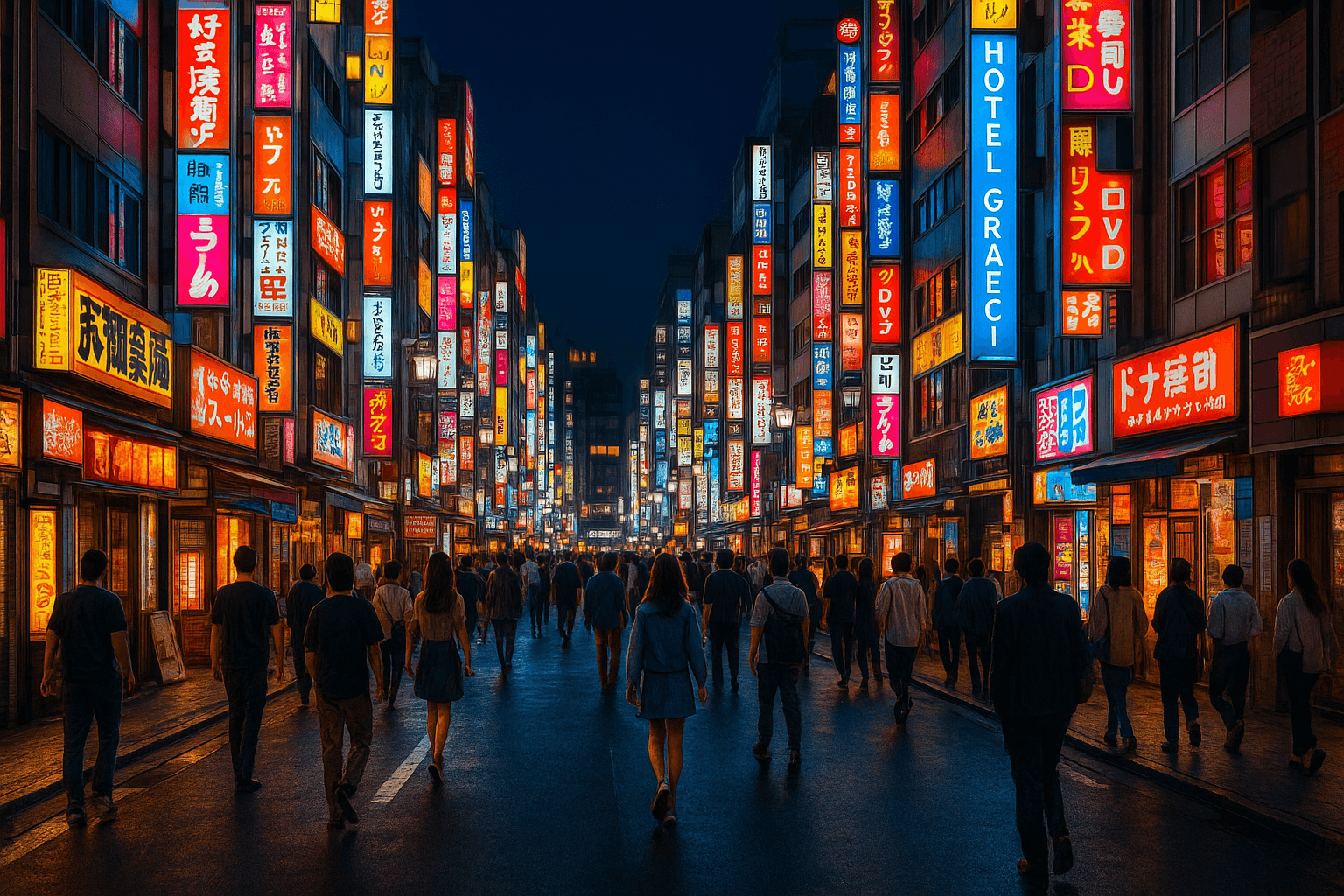
Kabukicho is a lively entertainment and nightlife district in Shinjuku, Tokyo. Known for its neon-lit streets, dense cluster of restaurants, bars, izakaya, host and hostess clubs, karaoke venues, and cinemas, Kabukicho offers a condensed view of Tokyo after dark. Historically developed as a postwar entertainment quarter, it has evolved into a mix of mainstream nightlife, themed restaurants, and pockets of more adult-oriented entertainment. The area appeals to curious first-time visitors seeking Tokyo’s urban energy, returning travelers interested in nightlife variety, and anyone wanting a safe (if bustling) glimpse into the city’s nocturnal culture.
Why Visit
- Immerse yourself in Tokyo’s neon-nightlife atmosphere in one compact area.
- Find a huge range of late-night dining: ramen, yakitori, conveyor sushi, and themed cafés.
- Experience uniquely Japanese entertainment: karaoke, pachinko, and themed bars.
- Great for evening photography and people-watching on lively streets.
- Easy access from central Tokyo makes it a practical evening stop.
Main Areas & What to See
Kabukicho Ichibangai (the main streets)
- What it is: The central maze of narrow, neon-lit streets full of restaurants, bars, and small shops.
- Why it matters: This is the visual and social heart of Kabukicho—best for soaking in the district’s energy.
- What to notice/do: Walk slowly to take in shop signs and window menus; step into an izakaya for small plates and interaction with locals and staff.
Robot Restaurant / Themed Show Venues (note: venues evolve)
- What it is: Themed live-entertainment venues that combine music, lights, and performance.
- Why it matters: They represent the district's bold, entertainment-first identity.
- What to notice/do: Check current show schedules in advance—some shows suit families, others are adult-focused. Booking ahead is often required.
Golden Gai
- What it is: A short walk from Kabukicho’s main streets, Golden Gai is a cluster of narrow alleys lined with tiny, atmospheric bars.
- Why it matters: Each bar has its own theme and character—excellent for intimate conversations and discovering subcultures.
- What to notice/do: Bars are small (often cash-only) and may have cover charges; be respectful if a bar looks private or has a sign limiting entry.
Omoide Yokocho (Memory Lane)
- What it is: A nearby row of tiny stalls and yakitori stands with a retro, Showa-era feel.
- Why it matters: Offers authentic, inexpensive grilled food and a nostalgic atmosphere.
- What to notice/do: Counter seats are common—arrive hungry and try a few skewers. Peak times get crowded; be ready to share a table.
Entertainment Complexes & Pachinko Parlors
- What it is: Large arcades, pachinko (pinball-like) halls, and multi-floor entertainment buildings.
- Why it matters: These are ubiquitous in Kabukicho and show a major part of modern Japanese leisure.
- What to notice/do: Pachinko can be noisy and confusing—observe first or ask staff for a brief explanation before playing.
Best Time to Visit
- Time of day: Evening through late night is when Kabukicho comes alive (from around 7:00 PM onward). Many eateries and entertainment venues open late; some clubs stay open past 2:00 AM.
- Crowd considerations: Weekends and public holidays are busiest. Weekday evenings are lively but more manageable.
- Atmosphere differences: Early evening is better for dining and relaxed bar-hopping; later hours (after midnight) are busier, louder, and more adult-focused.
Seasonal Highlights
- Spring: Mild weather makes street-walking pleasant; enjoy nearby Shinjuku Gyoen cherry blossoms earlier in the neighborhood.
- Summer: Strong nightlife energy; outdoor festivals occur nearby but Kabukicho itself is primarily indoor-focused due to heat.
- Autumn: Cooler evenings are ideal for long walks and bar-hopping.
- Winter: Festive lights and holiday displays brighten the streets; many venues host seasonal menus.
Practical Tips
- Cultural etiquette: Be polite and low-key; avoid loud phone conversations in narrow alleys. When entering small bars or restaurants, remove hats and follow staff seating instructions.
- Photography: Street photography is generally fine, but avoid taking photos of people up-close without permission, and do not photograph inside bars or private venues if signs request no photos.
- Payment & access: Many small establishments are cash-preferred; carry some yen. Major restaurants and larger chains accept cards. Some nightlife venues have cover charges or minimums—check before entry.
- Scams & safety: Kabukicho has a reputation for touts and occasional aggressive solicitors—decline politely and walk away. Stick to well-lit streets and known venues. Police presence and private security are common; violent crime is rare.
- Language: English is spoken at many tourist-oriented places but not universally—use simple phrases, translation apps, or show menu photos to communicate.
- Estimated visit duration: 2–4 hours for a typical evening (dinner, a drink, and a stroll); longer if attending multiple venues or shows.
Getting There
- Nearest stations: Shinjuku Station (East Exit or Southeast Exit) and Seibu-Shinjuku Station. Kabukicho centers roughly a 5–10 minute walk from Shinjuku Station’s East Exit.
- Typical travel time from the city center: From central Tokyo districts (Tokyo Station, Ginza, or Shibuya) expect 10–25 minutes by train depending on connections.
Is It Worth It?
Yes, if you want a condensed dose of Tokyo’s nightlife variety, late-night food culture, and neon-soaked streets. Kabukicho can feel overwhelming and noisy, but it’s safe and endlessly interesting for an evening’s exploration. For travelers seeking quiet cultural sites or refined daytime sightseeing, pair a visit with calmer districts like nearby Shinjuku Gyoen or the Meiji Shrine. For nightlife explorers and curious photographers, Kabukicho rewards an open mind and basic safety awareness.