
Introduction
Meiji Shrine (Meiji Jingu) is a Shinto shrine dedicated to Emperor Meiji and Empress Shoken, set within a peaceful, wooded precinct in central Tokyo. Established in the early 20th century and rebuilt after World War II, it offers a calm contrast to nearby bustling neighborhoods like Harajuku and Shibuya. The site is culturally significant as a place of national remembrance, traditional ceremonies, and seasonal rituals, and it showcases Japan’s Shinto practices in an accessible urban setting.
Meiji Shrine appeals to:
- First-time visitors seeking a gentle introduction to Shinto culture and Japanese spirituality.
- Returning travelers who want quiet nature walks or to observe traditional ceremonies.
- Photographers and urban explorers looking for serene landscapes within central Tokyo.
- Families and culturally curious travelers interested in seasonal festivals and rituals.
Why Visit
- Large, tranquil forested grounds in the middle of Tokyo’s busiest districts.
- Clear, approachable example of Shinto architecture, rituals, and etiquette.
- Opportunity to see traditional ceremonies (weddings, seasonal rites) and cultural displays.
- Easy to combine with nearby attractions (Harajuku, Omotesando, Yoyogi Park).
Main Areas & What to See
Torii Gate and Main Approach
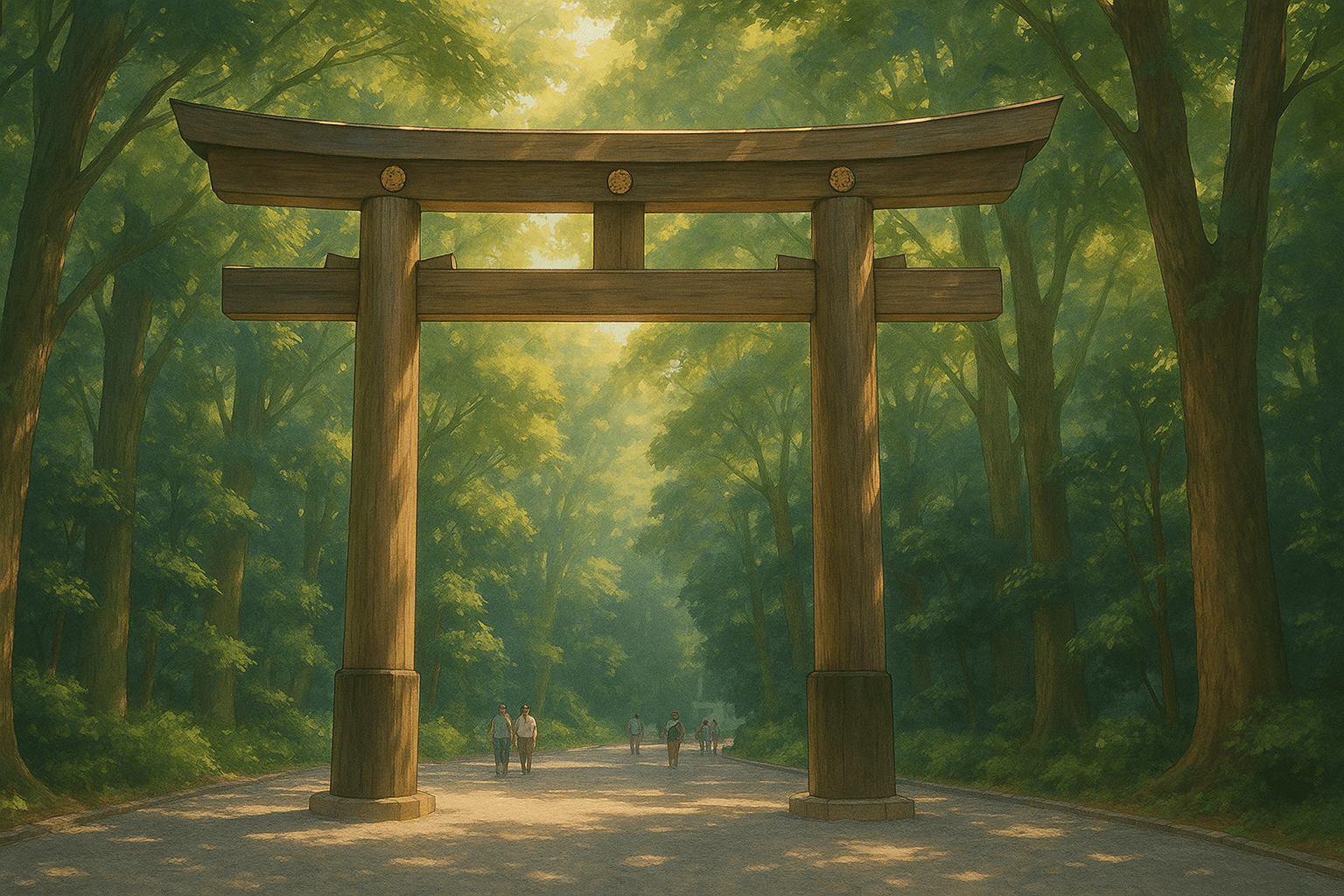
What it is: A massive wooden torii (gate) marks the primary entrance from the Harajuku side. The long gravel path leads into the shaded forest. Why it matters: The torii signals transition from the everyday city to a sacred space; the approach establishes a slower pace. What to notice/do: Pause, bow slightly at the gate if you wish, and walk quietly along the central path.
Forested Inner Grounds
What it is: Over 100,000 trees donated from across Japan form a man-made forest surrounding the shrine buildings. Why it matters: The greenery creates a microclimate and sense of solitude rare in central Tokyo. What to notice/do: Listen for birds and footfalls, notice seasonal plants, and use this area for a reflective walk or photos (respecting quiet).
Main Shrine (Honden) and Worship Hall (Haiden)
What it is: The main wooden shrine buildings where prayers, offerings, and formal rituals take place. Why it matters: This is the spiritual heart of Meiji Jingu, designed in traditional Shinto style. What to notice/do: Follow shrine etiquette: bow twice, clap twice, offer a small coin if you wish, and bow once more. Keep visits brief if others are waiting.
Sake Barrels and Treasure House
What it is: Rows of decorative sake barrels (kazaridaru) offered to the deities and the Meiji Memorial Picture Gallery/Treasure House nearby. Why it matters: The barrels symbolize offerings and national connections; the Treasure House displays items related to the imperial couple and early Meiji era. What to notice/do: Photograph the barrels from the path; check opening hours for the Treasure House before visiting.
Meiji Jingu Inner Garden (Shinshinan) and Iris Garden
What it is: A well-maintained landscape garden with a pond, tea house (Nomura Teahouse), and seasonal irises. Why it matters: Offers formal garden design and a quieter, managed landscape within the shrine grounds. What to notice/do: Buy a tea and wagashi at the tea house if open; visit in late spring/early summer for irises.
Best Time to Visit
Time of day recommendations:
- Early morning (7:00–9:00) for the quietest experience and softer light for photos.
- Late afternoon for warmer light and a gentler crowd as tourists move on.
Crowd considerations:
- Midday and weekends are busiest, especially with Harajuku shoppers nearby.
- Weekdays outside peak tourist seasons are best for solitude.
Atmosphere differences:
- Morning: peaceful, bird song, local worshippers.
- Midday: lively approaches, more families and tour groups.
- Evening: grounds close around dusk; the approach can still feel calm but check closing times.
Seasonal Highlights
- Spring (late March–April): Cherry blossoms in surrounding parks and a soft, fragrant atmosphere nearby.
- Early summer (May–June): Iris Garden blooms; lush green foliage in the forest.
- Autumn (late October–November): Leaves change color around the garden areas—popular for photos.
- Winter (December–February): Crisp air and fewer visitors; New Year’s (Hatsumode) draws very large crowds (plan ahead).
Special events:
- Traditional Shinto weddings are often held here year-round; you may see bridal processions.
- New Year’s visits (Hatsumode) are culturally important but extremely crowded for several days around January 1.
Practical Tips
Cultural etiquette:
- Dress respectfully and speak quietly while on the shrine grounds.
- At the temizuya (purification fountain), rinse hands and mouth briefly if you choose to perform the ritual—observe others if unsure.
- When at the main hall: bow twice, clap twice, offer a coin (optional), then bow once.
Photography rules and restrictions:
- Photography is generally allowed in the grounds and at the torii; avoid photographing people during private ceremonies without permission.
- Inside some buildings or at certain ceremony times photography may be restricted—follow posted signs and staff requests.
Payment, access, and timing tips:
- Entrance to the shrine grounds and most outdoor areas is free. Small fees may apply for the Inner Garden or special exhibitions.
- The shrine opens early (often around sunrise) and closes at dusk—confirm exact hours on the day of your visit.
Estimated visit duration:
- 30–60 minutes for a quick visit through the torii, main shrine, and a short walk.
- 1.5–3 hours to include the Inner Garden, Treasure House, and leisurely exploration.
Getting There
Nearest stations or access points:
- Harajuku Station (JR Yamanote Line): 5–10 minute walk to the main torii entrance.
- Meiji-Jingumae Station (Tokyo Metro Chiyoda Line / Fukutoshin Line): 5–7 minute walk.
- Omotesando Station (Tokyo Metro Ginza/Chiyoda/Marunouchi Lines): about 10–15 minute walk.
Typical travel time from the city center:
- From Tokyo Station or Ginza: approximately 20–30 minutes by train depending on transfers.
- From Shinjuku: 10–15 minutes on the JR Yamanote Line or subway + short walk.
Is It Worth It?
Yes — Meiji Shrine is worth visiting for most travelers. It provides a rare pocket of calm and accessible cultural insight in central Tokyo, ideal for those who want a respectful introduction to Shinto practice and a quiet nature walk. If you have limited time in Tokyo, prioritize an early-morning visit to avoid crowds; if you're short on time and prefer modern neighborhoods over historical sites, you might pair a brief visit with nearby Omotesando or Yoyogi Park rather than spending hours solely at the shrine.