
Introduction
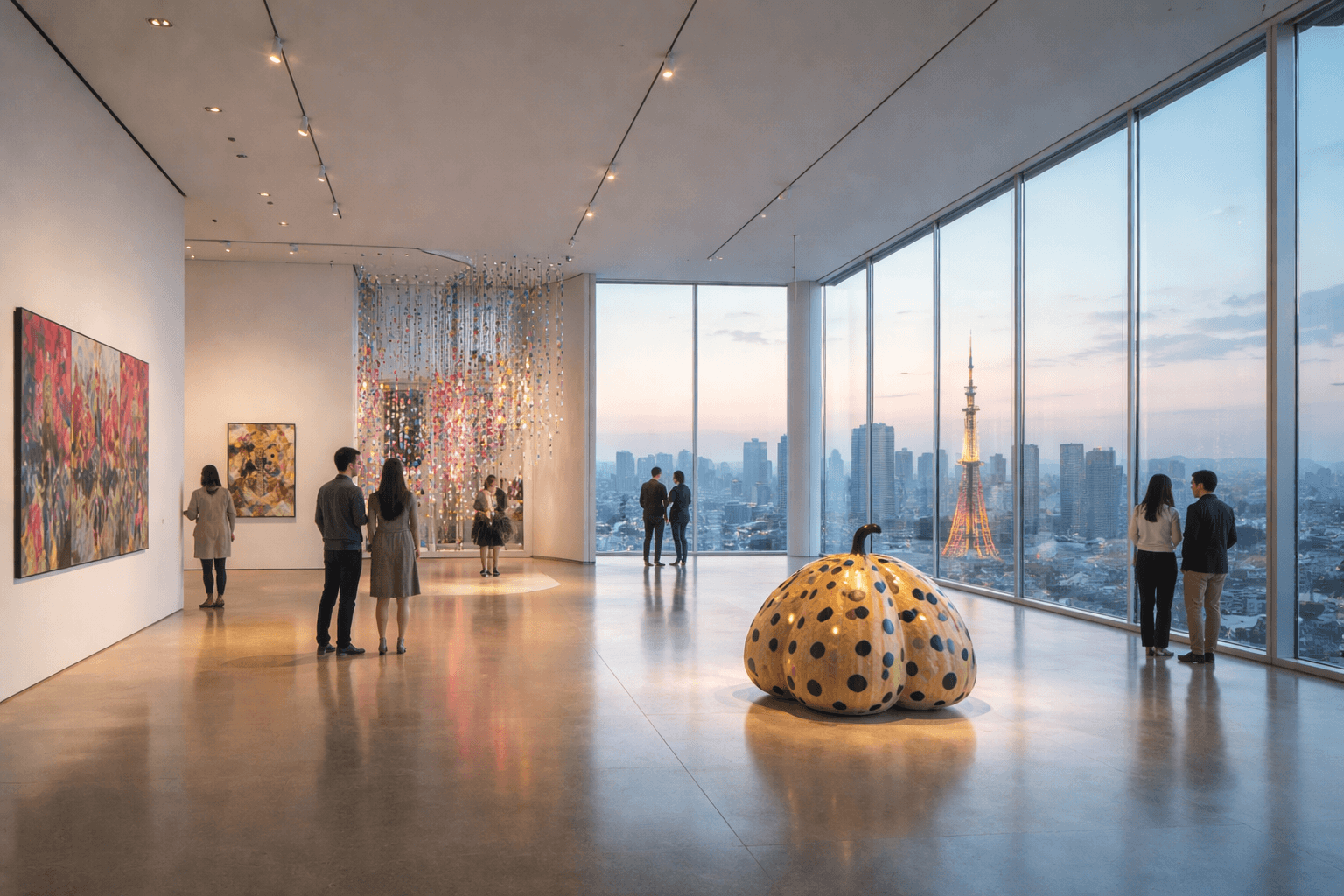
Mori Art Museum is Tokyo’s leading contemporary art museum housed in the upper floors of the Mori Tower complex in Roppongi Hills. It presents rotating exhibitions by leading international and Japanese artists, often organized around topical themes rather than a permanent collection. The museum is significant for its panoramic location (shared with Tokyo City View), its role in Tokyo’s contemporary art scene, and its frequent, ambitious temporary shows.
It appeals to: first-time visitors who want a compact, high-quality introduction to contemporary art in Tokyo; returning travelers seeking new, changing exhibitions; and travelers who appreciate city views paired with art.
Why Visit
- High-quality rotating exhibitions focused on contemporary trends and international artists.
- Dramatic city views from the museum/observation areas that add a memorable context to the art.
- Easy to combine with nearby galleries, design shops, and dining in Roppongi Hills.
Main Areas & What to See
-
Exhibition Galleries
- What it is: The museum’s main galleries host temporary solo and thematic shows.
- Why it matters: Each season features new curatorial perspectives—expect installations, new media, painting, and large-scale works.
- What to notice/do: Check the museum map and audio-guide options; leave time for slower, immersive installations.
-
Special Installations and Events
- What it is: Site-specific works and performance-related programming appear frequently.
- Why it matters: These pieces are often commissioned for the museum and can’t be seen elsewhere.
- What to notice/do: Look for program schedules and timed events; arrive early for popular installations.
-
Tokyo City View / Observation Deck (shared area)
- What it is: An observation area near the museum offering expansive views of Tokyo.
- Why it matters: The skyline frames the art experience and is a great place for photography after touring the galleries.
- What to notice/do: Visit at sunset for dramatic light; combine with a rooftop coffee or stroll around the deck.
-
Museum Shop and Café
- What it is: A well-curated shop with exhibition catalogs, design items, and the museum café.
- Why it matters: You can take home thoughtful souvenirs and design-forward books; the café is a good pause after the galleries.
- What to notice/do: Browse catalogs for deeper context about current shows; check café opening hours.
Best Time to Visit
- Time of day: Weekday mornings (opening hour to late morning) are usually least crowded. Late afternoons can be busier, especially on weekends.
- Crowd considerations: Large group tours and school groups commonly visit on weekends and during school holidays—plan weekdays if you prefer quiet.
- Atmosphere differences: Morning visits feel calmer and more reflective; evenings (when open) are livelier and benefit from city lights and often extended event hours.
Seasonal Highlights
- Spring: Mild weather makes walking Roppongi Hills pleasant; cherry blossom season nearby can add a park-side charm.
- Summer: Special exhibitions and occasional evening events; expect higher tourist numbers and festival activity in the neighborhood.
- Autumn: Clear skies often make for the best observation-deck views; major exhibition openings sometimes coincide with the season.
- Winter: Shorter daylight hours emphasize interior installations and night views; holiday decorations in Roppongi Hills create a festive mood.
Note: The museum’s calendar is driven by rotating shows—seasonal programming changes frequently, so check current exhibitions before you go.
Practical Tips
- Cultural etiquette: Speak quietly, turn phones to silent, and follow staff directions. Respect barriers and do not touch artworks unless explicitly permitted.
- Photography: Rules vary by exhibition. Non-flash photography is commonly allowed in public areas but often restricted inside specific exhibits—follow posted signs and staff instructions.
- Payment & access: The museum accepts major credit cards; contactless payment is commonly accepted. Tickets can often be bought on-site or online; consider booking timed-entry tickets for popular shows.
- Accessibility: Elevators and accessible routes are available, but check specific accessibility services ahead of your visit if you need assistance.
- Estimated visit duration: 1–2 hours for a focused visit; 2–3 hours if you plan to see a large installation, visit the observation deck, and take a break at the café.
Getting There
- Nearest stations: Roppongi Station (Tokyo Metro Hibiya Line and Toei Oedo Line) is the closest and most convenient. Roppongi-itchome Station (Tokyo Metro) is also within walking distance.
- From the city center: Typical travel time from central Tokyo (e.g., Tokyo Station or Shinjuku) is about 15–30 minutes by subway, depending on connections. From Haneda or Narita airports expect longer transit times by train or airport limousine bus.
- On foot: The museum is located within the Roppongi Hills complex—follow signs to Mori Tower and take the elevators to the museum/observation floors.
Is It Worth It?
Yes—if you enjoy contemporary art and value a museum that changes regularly, Mori Art Museum offers thoughtful, well-curated exhibitions in a striking setting. It pairs art with one of Tokyo’s best urban viewpoints, making it a compact, high-quality cultural stop. If you prefer large permanent collections or classical art, you might prioritize other museums, but for contemporary work and timely shows, Mori is well worth the visit.