
Introduction
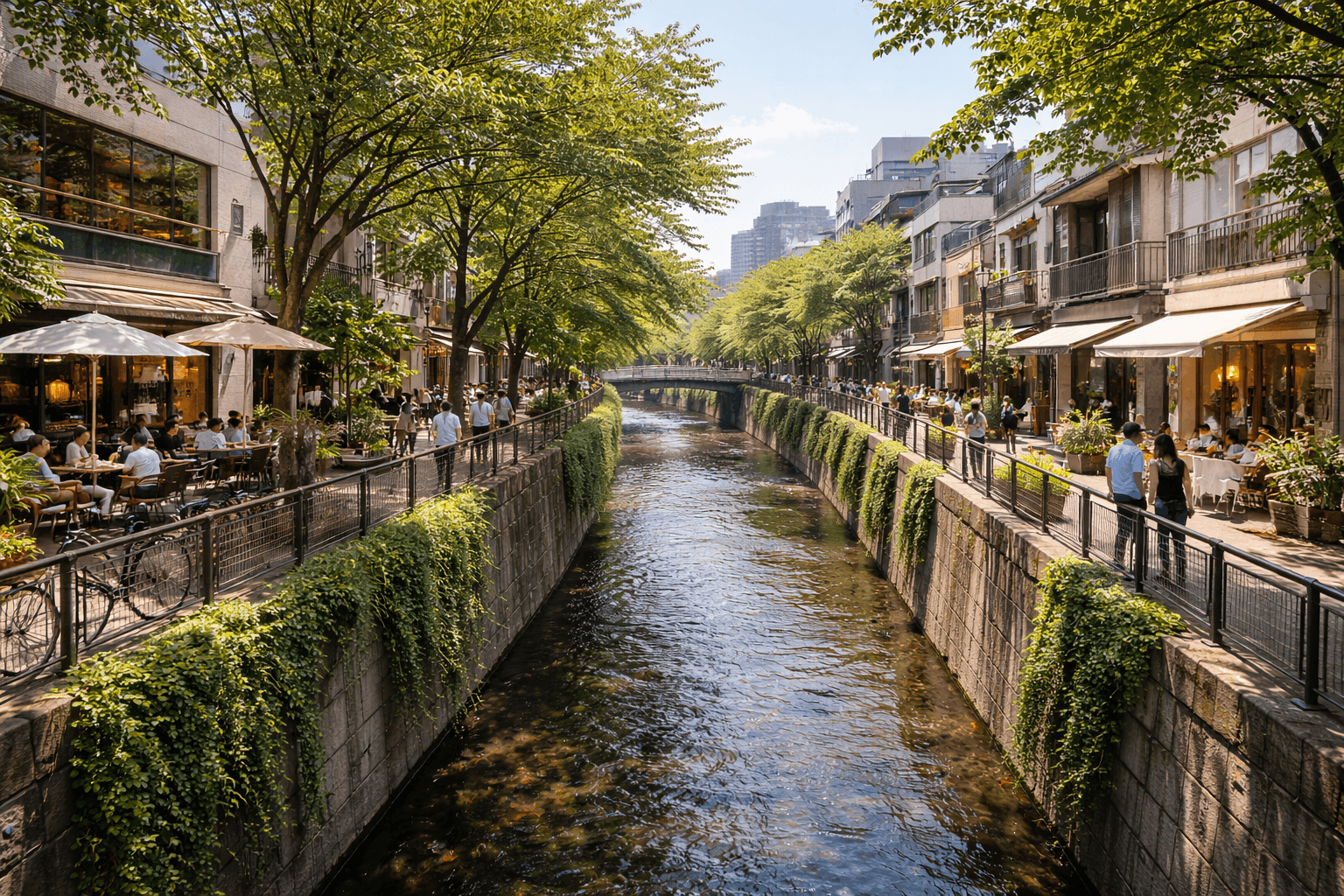
Nakameguro is a compact, stylish neighborhood along the Meguro River in Tokyo's Meguro ward. Known for its tree-lined canals, independent boutiques, relaxed cafés and creative dining scene, it blends residential calm with a quietly fashionable vibe. Nakameguro appeals to travelers who want a more local, walkable Tokyo experience — food and design lovers, photographers, and those seeking a seasonal riverside stroll away from the louder tourist hubs.
Why Visit
- Scenic riverside walks and iconic cherry-blossom views in spring.
- A concentration of cafés, craft shops, and small galleries showcasing modern Tokyo design.
- Excellent casual and upscale dining options, from yakitori to contemporary multi-course meals.
- A relaxed neighborhood atmosphere ideal for slow exploration and people-watching.
Main Areas & What to See
Meguro River (Canal Promenade)
- What it is: A narrow canal edged with sidewalks and dozens of cherry trees.
- Why it matters: The river defines Nakameguro’s character and is one of Tokyo’s signature spots for hanami (cherry-blossom viewing).
- What to notice/do: Walk both banks, pause at waterside cafés, and visit in early morning for quiet light or at dusk for lit lanterns in season.
Nakameguro Station Area
- What it is: The transport hub and a small commercial strip with bakeries, izakaya, and convenience stores.
- Why it matters: It’s the practical center for arriving, leaving, and quick bites; it gives a readable snapshot of daily local life.
- What to notice/do: Try a local bakery or standing sushi counter; use the station as your base for exploring neighboring streets.
Naka-Meguro Koukashita (Under the Tracks)
- What it is: A converted railway underpass filled with bars, cafés, and independent retailers.
- Why it matters: Creative reuse of space results in atmospheric evening spots and unique stores.
- What to notice/do: Visit after sunset for lively dining and bar options; look for small design shops selling ceramics and stationery.
Senzokuike and Side Streets
- What it is: Residential lanes and pocket parks stretching a few blocks from the river.
- Why it matters: These quieter areas reveal Nakameguro’s daily rhythms — local bakeries, small shrines, and boutique galleries.
- What to notice/do: Wander slowly, pop into gallery openings, and observe neighborhood architecture.
Specialty Shops & Galleries
- What it is: Concentrations of craft stores, vintage clothing shops, and independent design galleries.
- Why it matters: They showcase Japan’s contemporary craft and fashion scenes in an approachable way.
- What to notice/do: Ask staff about makers, inspect product details, and bring cash for small purchases (some shops are cash-preferred).
Best Time to Visit
- Time of day: Morning (8–10 AM) for peaceful walks and good photography; late afternoon to evening (5–9 PM) for dining and nightlife.
- Crowd considerations: Weekends and cherry-blossom season draw the most visitors; weekdays are far quieter.
- Atmosphere differences: Spring mornings are serenely beautiful; summer evenings feel lively and balmy; winter is crisp and calm, highlighting neighborhood lights.
Seasonal Highlights
- Spring (late March–early April): Peak cherry blossom season along the river — very popular during hanami.
- Summer: Outdoor dining and festivals in nearby wards; humid but pleasant for evening strolls.
- Autumn: Fall foliage is noticeable though less dramatic than other Tokyo parks; cooler temperatures make walking comfortable.
- Winter: Fewer tourists, festive lights in parts of the area, and cozy cafés ideal for warming up.
Practical Tips
- Cultural etiquette: Keep noise low on residential streets; remove shoes only where requested; queue politely for popular cafés.
- Photography: Public photography is fine; avoid pointing cameras inside homes or into private courtyards. During hanami, be mindful of people and keep tripods compact in crowded sections.
- Payment & access: Many small shops and cafés accept cards, but some are cash-only — carry some yen. Most streets are walkable; accessible routes exist but expect narrow sidewalks and occasional steps.
- Timing: A focused visit takes 1.5–3 hours. A relaxed day including meals and shopping can easily fill half to a full day.
Getting There
- Nearest stations: Nakameguro Station (Tokyu Toyoko Line, Tokyo Metro Hibiya Line) is the primary access point; Daikanyama Station is a 10–15 minute walk north.
- Typical travel time from city center: From Shinjuku, about 20–30 minutes by train (with one transfer depending on route); from Shibuya, 5–10 minutes direct on the Tokyu Toyoko Line.
Is It Worth It?
Yes — especially if you prefer low-key exploration, good food and design, or seasonal riverside scenery. Nakameguro won't replace bigger Tokyo attractions, but it offers a quieter, richly textured neighborhood experience that rewards slow walking and casual discovery.