
Introduction
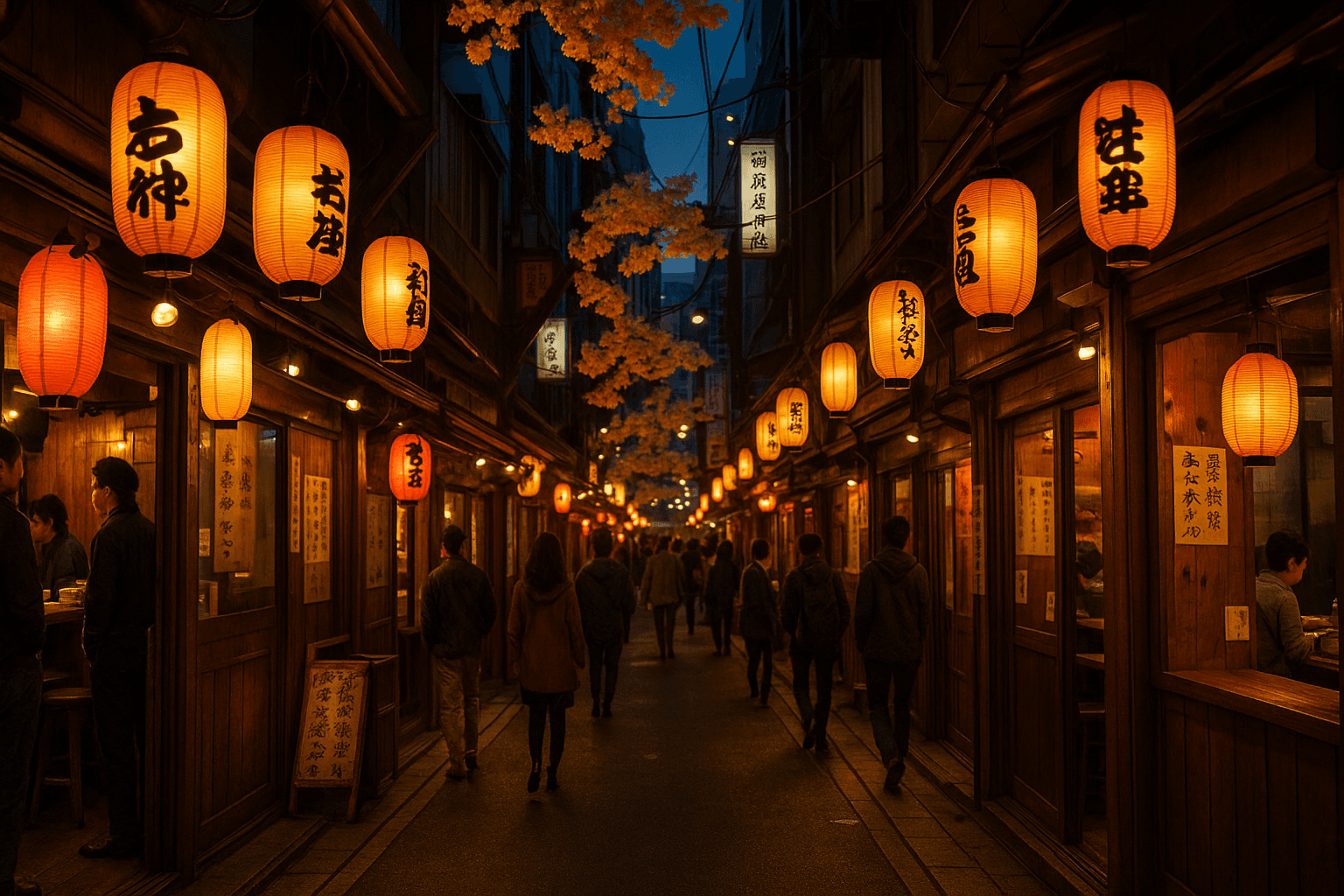
Omoide Yokocho (often called "Memory Lane") is a compact network of narrow alleys lined with tiny yakitori shops, ramen stands, and izakaya tucked beside Shinjuku Station. It preserves a postwar atmosphere—low ceilings, tightly packed wooden stalls, smoky grills—and offers a slice of old Tokyo amid the city’s neon towers. The place is both historically resonant and experientially vivid: part food market, part living museum of everyday Tokyo nightlife.
Who it appeals to: first-time visitors seeking authentic local food and atmosphere, repeat travelers chasing nostalgic streetscapes, and food lovers who enjoy intimate, small-plate dining and conversation with chefs.
Why Visit
- Authentic street-level dining: dozens of tiny eateries serving grilled skewers, noodles, and small plates.
- Retro ambiance: a sensory glimpse of mid-20th-century Tokyo wrapped in modern Shinjuku.
- People-watching and atmosphere: close quarters create lively, friendly interactions.
- Easy, memorable stop: compact area that fits into a half-day or evening itinerary.
Main Areas & What to See
The Main Alley (Central Lane)
- What it is: the principal narrow corridor where most shops and counters face each other.
- Why it matters: this is the heart of Omoide Yokocho’s vibe—smoke, chatter, and the sight of skewers turning over charcoal.
- What to notice/do: peek into several counters before choosing; watch chefs prepare yakitori and offer small plates. Be ready to sit shoulder-to-shoulder at the counter.
Side Alleys and Tiny Stalls
- What it is: branching passages with lesser-known ramen stands and specialty stalls.
- Why it matters: quieter, often more experimental menus and unique finds (croquette shops, small seafood counters).
- What to notice/do: follow the scent of grilled food; these shops can be less touristy and offer a more local experience.
Outdoor Seating & Standing Bars
- What it is: a few spots with outdoor stools or standing-room-only counters.
- Why it matters: these are quick, social options for a fast plate and a drink without committing to a sit-down meal.
- What to notice/do: great for sampling a single skewer, a quick beer, and moving on.
Signage and Retro Details
- What it is: faded signs, handwritten menus, and compact wooden facades.
- Why it matters: these details convey the alley’s history and help orient you when deciding where to eat.
- What to notice/do: read (or ask about) daily specials on chalkboards; small shops often change their offerings seasonally.
Best Time to Visit
- Time of day: evening is prime—between 6:00 pm and 9:30 pm—when grills are active and the atmosphere hums. Early evening (5–6 pm) is good for quieter tables.
- Crowd considerations: weekends and Friday nights are busiest; arrive early if you want a seat at popular counters.
- Atmosphere differences: dinner hours are lively and social; late-night (after 10:30 pm) is more relaxed but some shops close earlier.
Seasonal Highlights
- Spring: pleasant weather makes walking between alleys comfortable; some shops add lighter seasonal menus.
- Summer: smoky warmth feels livelier; expect more humidity—cold drinks are popular.
- Autumn: great for heartier grilled dishes and seasonal side dishes (mushrooms, root vegetables).
- Winter: cozy and atmospheric—charcoal grills and hot broths are especially satisfying.
- Festivals/special events: Omoide Yokocho itself doesn’t host large festivals, but Shinjuku hosts seasonal events nearby—check local listings if your trip coincides with neighborhood festivals.
Practical Tips
- Cultural etiquette: be polite, speak softly in the alleys, and respect tight personal space. If joining a counter, wait to be seated or ask the chef if there’s room.
- Photography: casual photos are usually fine, but ask permission before photographing people or small, crowded counters. Avoid flash in confined spaces.
- Payment: many tiny stalls accept only cash; carry enough Japanese yen. Some counters may accept cards, but don’t rely on them.
- Access and timing tips: some popular stalls have limited seating and short hours; look for operating times posted outside. If a place is full, move down the alley—another great option is likely nearby.
- Estimated visit duration: 30–90 minutes depending on whether you’re sampling one stall or having a multi-course crawl.
Getting There
- Nearest stations: a short walk from JR Shinjuku Station (West Exit) — the alley sits just north of the west-side concourse. Also accessible from Seibu-Shinjuku Station and Shinjuku-sanchome with a slightly longer walk.
- Typical travel time from the city center: from Tokyo Station, expect about 15–25 minutes by JR train (Chuo/Chuo-Sobu lines) plus a 5–10 minute walk; from Shibuya, roughly 10–15 minutes by train and a short walk from Shinjuku.
Is It Worth It?
Yes—if you value authentic food culture and atmospheric streetscapes packed into a short, memorable visit. Omoide Yokocho rewards those who enjoy small, social eateries and don’t mind tight spaces or smoky air. For travelers wanting a polished dining experience or full-service seating for large groups, it’s less suitable; for adventurous eaters and photographers of urban life, it’s a highlight near Shinjuku Station.