
Introduction
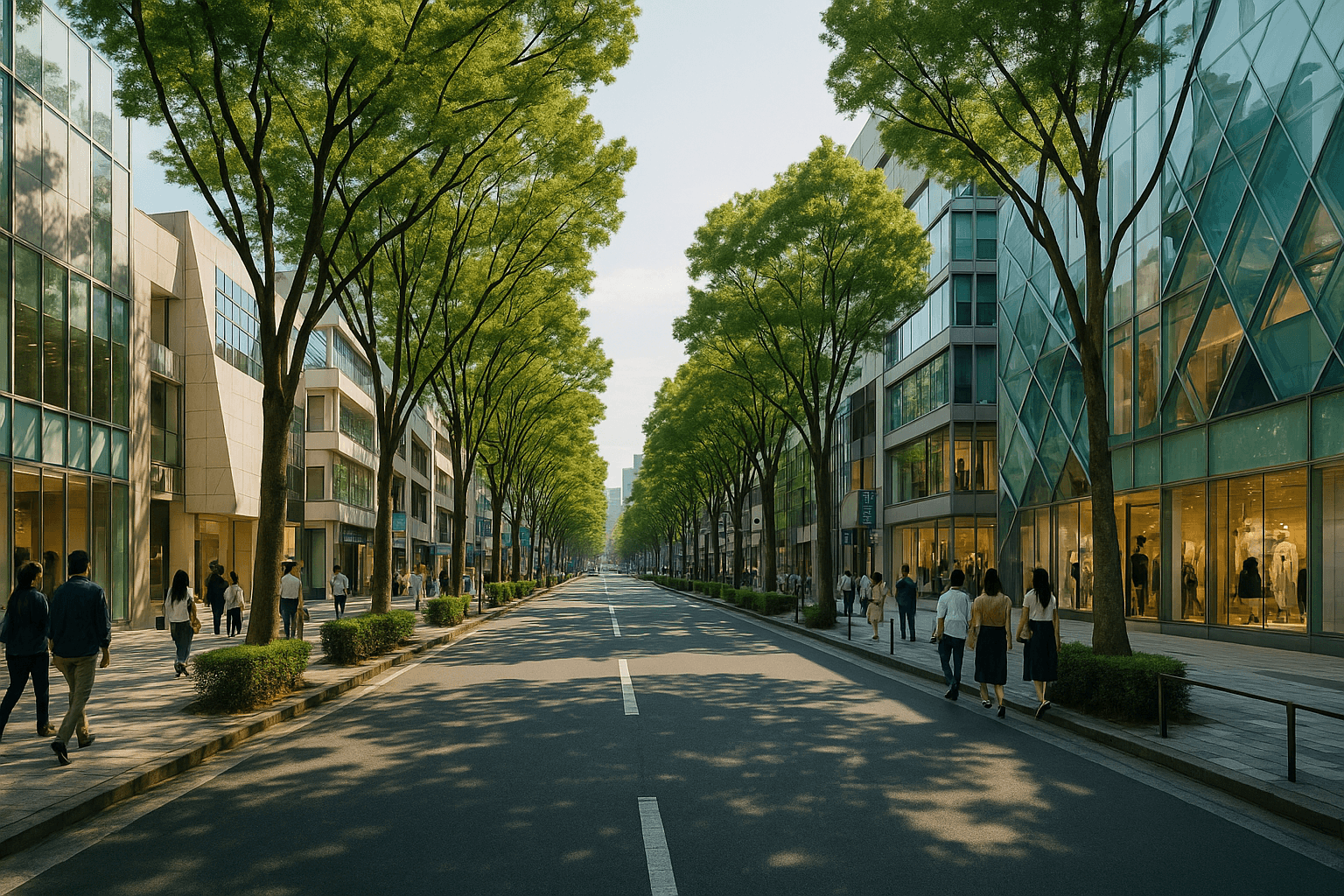
Omotesandō is a wide, tree-lined avenue and surrounding neighborhood in central Tokyo, running between Harajuku and Aoyama. Known for elegant architecture, high-end boutiques, and stylish cafés, it balances Tokyo’s contemporary design scene with quieter residential streets and shrines nearby. Omotesandō appeals to design-minded travelers, shoppers looking for flagship and concept stores, architecture enthusiasts, food lovers seeking refined cafés, and visitors who want a less frenetic contrast to nearby Harajuku.
Why Visit
- Elegant shopping and flagship stores blending international and Japanese design.
- Notable contemporary architecture and visually striking storefronts.
- A calm, walkable avenue with quality cafés and people-watching.
- Easy access to nearby cultural sites: Meiji Shrine, Nezu Museum, and Omotesandō Hills.
Main Areas & What to See
Omotesandō Avenue
What it is: The main boulevard lined with zelkova trees, upscale shops, and fashion houses. Why it matters: It's Tokyo’s showpiece for designer retail and seasonal street atmosphere. What to notice/do: Walk slowly to admire façades, stop in concept stores, and visit during the light of late afternoon for softer shadows.
Omotesandō Hills
What it is: A multi-level shopping complex designed by Tadao Ando. Why it matters: Good mix of local designers, lifestyle brands, and architecture fans will appreciate the curved, sunken interior. What to notice/do: Explore independent boutiques, rest in an upper-level café, and observe how the complex integrates with the sloping street.
Cat Street (nearby)
What it is: A backstreet that connects Harajuku and Omotesandō, full of smaller boutiques and street-style shops. Why it matters: Offers a younger, trend-driven counterpoint to the avenue’s luxury focus. What to notice/do: Browse indie fashion, small galleries, and specialty cafés; great for unique souvenirs.
Aoyama & Flagship Architecture
What it is: Side streets toward Aoyama with architectural showpieces and designer stores. Why it matters: Many international brands use this area for innovative flagship designs. What to notice/do: Keep an eye out for striking façades—these buildings are often open to the public.
Meiji Shrine & Yoyogi Park (walking distance)
What it is: A major Shinto shrine and large green space just steps from Omotesandō. Why it matters: Offers a peaceful cultural counterbalance to the shopping streets. What to notice/do: Combine a shrine visit with a stroll through the forested approach; remove hats and speak softly at the torii.
Best Time to Visit
- Time of day: Late morning to early afternoon for shopping; late afternoon golden hour for photography; early evening for quieter cafés and illuminated storefronts.
- Crowd considerations: Weekends are busiest, especially in Harajuku-adjacent streets. Weekdays (mid-morning to mid-afternoon) are calmer.
- Atmosphere differences: Weekdays feel refined and relaxed; weekends are livelier with more street fashion and foot traffic.
Seasonal Highlights
- Spring: Cherry blossom pockets nearby (e.g., Yoyogi Park) add soft color in late March–April.
- Summer: Lush green canopies and summer storefront events; afternoons can be hot and humid—seek indoor cafés.
- Autumn: Ginkgo trees along parts of Omotesandō turn golden in November, creating a picturesque avenue.
- Winter: Festive lights and holiday displays brighten the avenue; cooler air makes walking pleasant.
- Special events: Occasional design fairs, pop-up stores, and seasonal sales—check local listings if you time your trip.
Practical Tips
- Cultural etiquette: Bow slightly when greeting or thanking staff; be discreet with phone calls in cafés; remove hats in shrine areas.
- Photography: Public streets and storefronts are fine; inside some boutiques or private displays, photography may be restricted—ask first.
- Payment & access: Major shops accept credit cards; smaller boutiques and cafés may prefer cash—carry some yen and a contactless card as backup.
- Accessibility: Sidewalks are generally wide but can be crowded; many stores have elevators, though some older shops are narrow.
- Estimated visit duration: 2–4 hours to stroll the main avenue, pop into several shops and a café; half to a full day if combining museums and Meiji Shrine.
Getting There
- Nearest stations: Omotesandō Station (Tokyo Metro Ginza, Chiyoda, and Hanzomon lines) is the most central access point; Harajuku Station (JR Yamanote Line) is a short walk to the north; Meiji-jingumae (Harajuku) Station (Tokyo Metro) is also nearby.
- Typical travel time from Tokyo city center (e.g., Tokyo Station): About 15–25 minutes by subway or JR, depending on transfers; from Shinjuku, about 10–15 minutes.
Is It Worth It?
Yes—Omotesandō is worth visiting for travelers who appreciate design, architecture, and a polished shopping/stroll experience in Tokyo. It complements the high-energy youth culture of Harajuku with a calmer, curated atmosphere. If you dislike crowds or high-end shopping, limit your visit to a relaxed walk and combine it with nearby cultural sites for better value.