
Introduction
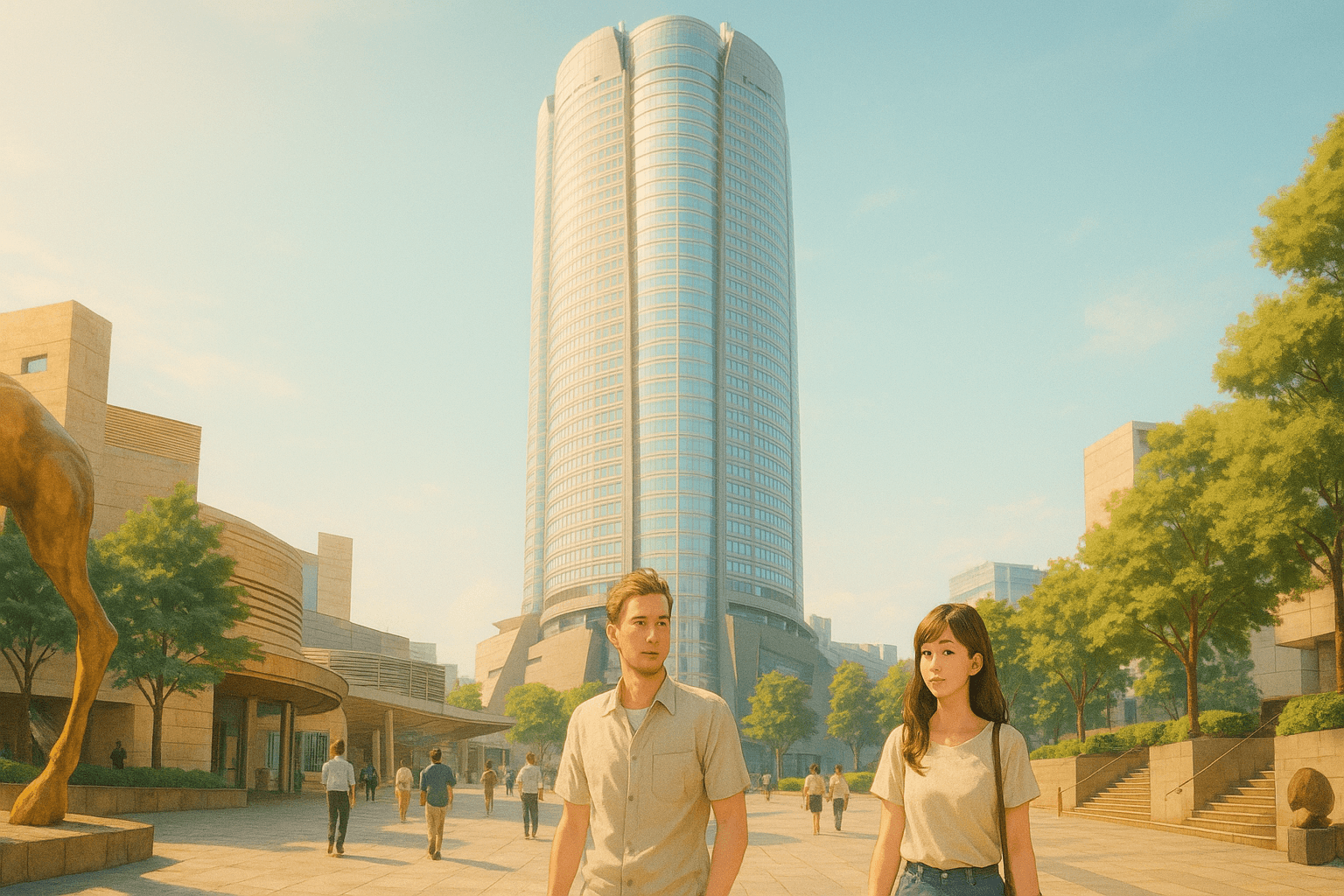
Roppongi Hills is a mixed-use urban complex in central Tokyo centered on Mori Tower. Opened in 2003, it combines offices, residences, shops, museums, restaurants and public spaces into a compact, vertical neighborhood. It is significant as a model of modern Tokyo redevelopment—blending contemporary architecture, art (Mori Art Museum), and panoramic city views—and it attracts both culture seekers and urban explorers.
Who it's for: first-time visitors who want an accessible introduction to Tokyo's contemporary culture; returning travelers looking for art, skyline views, nightlife, and convenient shopping; business travelers with limited free time.
Why Visit
- Superb city views from Mori Tower observatory and rooftop gardens.
- World-class contemporary art at the Mori Art Museum and rotating exhibitions.
- A concentrated variety of dining, shopping, and nightlife in one walkable area.
- Easy access to galleries, design shops, and seasonal outdoor events.
Main Areas & What to See
Mori Tower (Mori Building Digital Art and observation)
- What it is: The 54‑story centerpiece tower housing offices, the Mori Art Museum, and the Tokyo City View observation deck.
- Why it matters: Offers one of Tokyo’s best panoramic viewpoints and rotating contemporary-art shows that reflect current Japanese and international trends.
- What to notice/do: Reserve an observation-deck ticket if you want sunset views; check the museum’s current exhibition schedule; allow time for the rooftop Sky Deck in good weather.
Mori Art Museum
- What it is: A contemporary art museum on the top floors of Mori Tower with international and Japanese artists.
- Why it matters: It presents forward-looking exhibitions and programs focused on modern urban life and society.
- What to notice/do: Audio guides and English labels are often available; exhibitions change frequently—check opening hours before you go.
Roppongi Hills Mori Garden & Open Plaza
- What it is: Landscaped gardens, courtyards, and public art scattered through the complex.
- Why it matters: Offers a calm, green contrast to the busy city and hosts seasonal installations and markets.
- What to notice/do: Stroll the paths for sculptures and water features; look for seasonal illumination in winter.
Keyakizaka-dori (Keyaki Slope)
- What it is: The tree-lined slope that links Roppongi Hills to Tokyo Midtown and the rest of Roppongi.
- Why it matters: Known for dramatic night illumination, a strong restaurant and bar scene, and people-watching.
- What to notice/do: Visit at night for the illuminated trees and a lively atmosphere; explore side streets for izakaya and cocktail bars.
Shops and Dining (Roppongi Hills Mall)
- What it is: A multi-level shopping and dining complex with boutiques, department-style stores, and international restaurants.
- Why it matters: Good place to sample modern Japanese cuisine, find design goods, or take a break indoors.
- What to notice/do: Look for restaurants with views; many shops open late compared with other Tokyo areas.
Best Time to Visit
- Time of day: Late afternoon into early evening is ideal—daylight views turn to city lights; museums are best mid-morning to mid-afternoon.
- Crowds: Weekends, public holidays, and evenings are busiest (dining and nightlife). Museums can be busiest during major exhibitions.
- Atmosphere differences: Daytime feels relaxed and museum-focused; evenings become lively and upscale with dining and bars.
Seasonal Highlights
- Spring: Cherry blossoms in nearby parks and milder weather for strolling the gardens.
- Summer: Outdoor events and occasional evening concerts; evenings can be humid and busy.
- Autumn: Clear skies and crisp air make observation-deck views especially sharp; fall foliage in the gardens.
- Winter: Illuminations (typically Nov–Feb) light Keyakizaka-dori and public spaces; indoor shopping and warm dining are appealing.
- Special events: Seasonal markets, art openings, and occasional outdoor screenings—check the Roppongi Hills event calendar if planning around a date.
Practical Tips
- Cultural etiquette: Keep noise low in public indoor spaces; queue politely at elevators and ticket counters; many restaurants expect no large group disruption.
- Photography: Most public areas are fine for photos; museum galleries may restrict flash or tripods—obey posted signs and staff requests.
- Payment & access: Credit cards widely accepted; bring some cash for small stalls. Elevators and ramps provide accessibility; check individual venue access policies if mobility assistance is needed.
- Timing: Allow 2–4 hours for a focused visit (observation deck + museum + short stroll); half a day if you plan to dine and shop.
Getting There
- Nearest stations: Roppongi Station (Tokyo Metro Hibiya Line and Toei Oedo Line) — about a 3–8 minute walk depending on exit; Roppongi-itchome Station (Tokyo Metro Namboku Line) — about 8–10 minutes on foot.
- Typical travel time from Tokyo Station (city center reference): 15–25 minutes by subway/taxi depending on route and transfers.
- From Narita/Haneda: Allow 60–90 minutes from Narita by airport express + subway or 30–50 minutes from Haneda by train/taxi depending on traffic.
Is It Worth It?
Yes—Roppongi Hills is worth visiting if you want a compact introduction to Tokyo’s contemporary side: accessible art, strong skyline views, and a convenient mix of dining and shopping. For travelers focused only on traditional temples or budget sightseeing, it may feel more modern and commercial. Combine it with nearby Tokyo Midtown or an evening in Roppongi for a fuller experience.