
Introduction
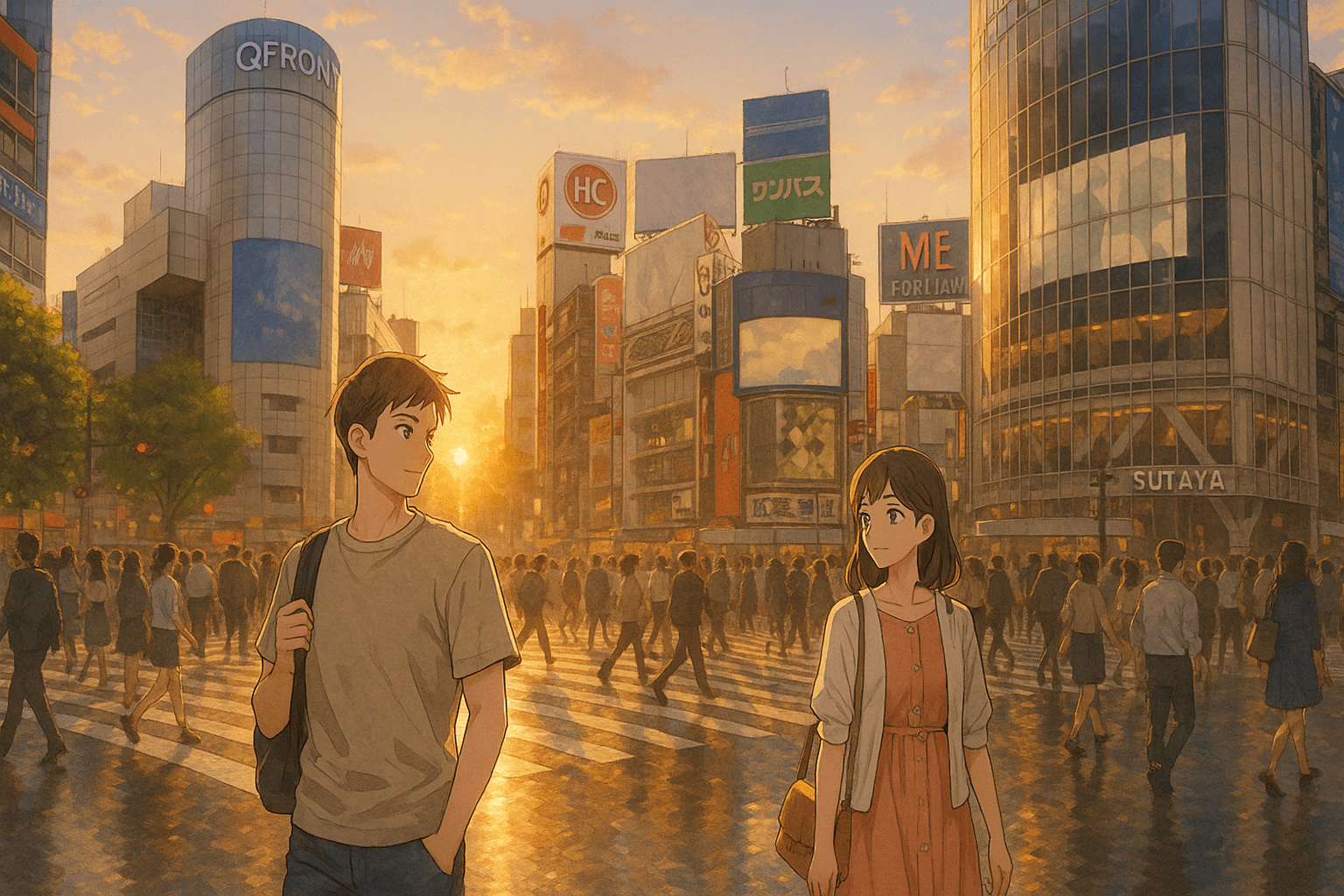
Shibuya Crossing is the large, multiple-direction pedestrian scramble outside Shibuya Station in Tokyo. Famous for its flood of people, neon signs and nearby shopping, it is both a functioning commuter crossroads and an emblematic image of modern Tokyo. The spot matters culturally as a symbol of urban energy and youth culture and historically as a center of postwar commercial growth. It appeals to first-time visitors seeking an iconic Tokyo moment, photographers and videographers, people-watchers, and repeat visitors who enjoy nightlife, shopping, and cafe culture.
Why Visit
- See one of the world’s busiest and most photogenic pedestrian intersections in action.
- Experience Tokyo’s neon-lit nightlife and nearby entertainment, shopping, and dining.
- Great for quick people-watching, street photography, and capturing dynamic cityscapes.
- Easy to combine with cultural stops like Meiji Shrine, Harajuku, and Shibuya’s food scene.
Main Areas & What to See
The Crossing itself
- What it is: The open intersection where traffic stops in all directions and hundreds (often thousands) of pedestrians cross simultaneously.
- Why it matters: It’s an iconic live city tableau that shows Tokyo’s rhythm and scale.
- What to notice/do: Watch from an elevated spot (see viewpoints below) to capture the full pattern; time lapses and slow-motion video work well.
Shibuya Station West Exit (Hachiko exit)
- What it is: The main station exit adjacent to the Hachiko statue, a famous meeting point.
- Why it matters: The Hachiko statue is a cultural touchstone and an easy landmark to orient from.
- What to notice/do: Use Hachiko as a rendezvous point; explore the small streets and izakaya behind the station.
Shibuya Sky (Shibuya Scramble Square rooftop)
- What it is: Rooftop observatory offering panoramic views over the crossing and Tokyo skyline.
- Why it matters: Provides the best elevated perspective for photos and sunset views.
- What to notice/do: Book tickets or check opening hours; arrive near sunset for changing light.
Center-Gai and Center Street
- What it is: A lively pedestrian street lined with shops, bars, fashion stores and fast-food outlets.
- Why it matters: It's the heart of Shibuya’s youth culture and nightlife.
- What to notice/do: Window-shop, try street food, and be prepared for crowds at night.
Nonbei Yokocho & Non-main Alleys
- What it is: Narrow lanes with tiny bars and local eateries.
- Why it matters: Offers a quieter, more intimate contrast to the crossing’s bustle.
- What to notice/do: Look for small ramen shops and standing bars; cash is sometimes preferred.
Best Time to Visit
- Time of day: Early morning (6:30–8:30) for quieter crossings and clean street shots; late afternoon to night (17:30–22:30) for neon lights and peak atmosphere.
- Crowd considerations: Midday and evening are busiest. Weekends and national holidays amplify crowds significantly.
- Atmosphere differences: Mornings feel commuter-focused and orderly; evenings are vibrant, loud and full of shoppers, diners and nightlife.
Seasonal Highlights
- Spring: Pleasant weather; pair a visit with cherry blossom viewing in nearby parks (late March–early April depending on year).
- Summer: Longer daylight and festivals in Tokyo; expect humidity and lively late-night crowds.
- Autumn: Cooler evenings and clearer skies — good visibility from rooftop viewpoints.
- Winter: Early sunsets and festive illumination displays in November–December; crowds may increase for holiday shopping.
Practical Tips
- Cultural etiquette: Keep to the left/right following local pedestrian flow depending on street signage; be considerate when stopping for photos—move to the sidewalk.
- Photography rules: Street photography is common; avoid obstructing others, respect privacy, and don’t use large tripods during peak times without permission.
- Payment & access: Major shops accept cards and mobile payments, but small bars and stalls may be cash-only — carry some yen.
- Safety & timing: The area is safe at most hours, but watch belongings in crowded spots.
- Estimated visit duration: 30 minutes to 2+ hours depending on whether you only view the crossing or explore shops, restaurants and viewpoints.
Getting There
- Nearest stations: Shibuya Station (JR Yamanote, Saikyo, Shonan-Shinjuku lines; Tokyo Metro Ginza, Hanzomon; Tokyu Toyoko; Keio Inokashira lines). Use the Hachiko/West Exit for direct access to the crossing.
- Typical travel time from the city center: From Tokyo Station about 20–30 minutes by JR (Yamanote or rapid connections); from Shinjuku Station about 7–10 minutes by JR Yamanote.
Is It Worth It?
Yes — for most travelers Shibuya Crossing is a short, essential urban experience that delivers a memorable snapshot of Tokyo. It’s best enjoyed as part of a broader Shibuya/Harajuku day or an evening out. If you dislike crowds or are short on time, plan an early-morning visit or enjoy the view from a nearby café or the Shibuya Sky observatory to capture the scene without being in the middle of it.