
Introduction
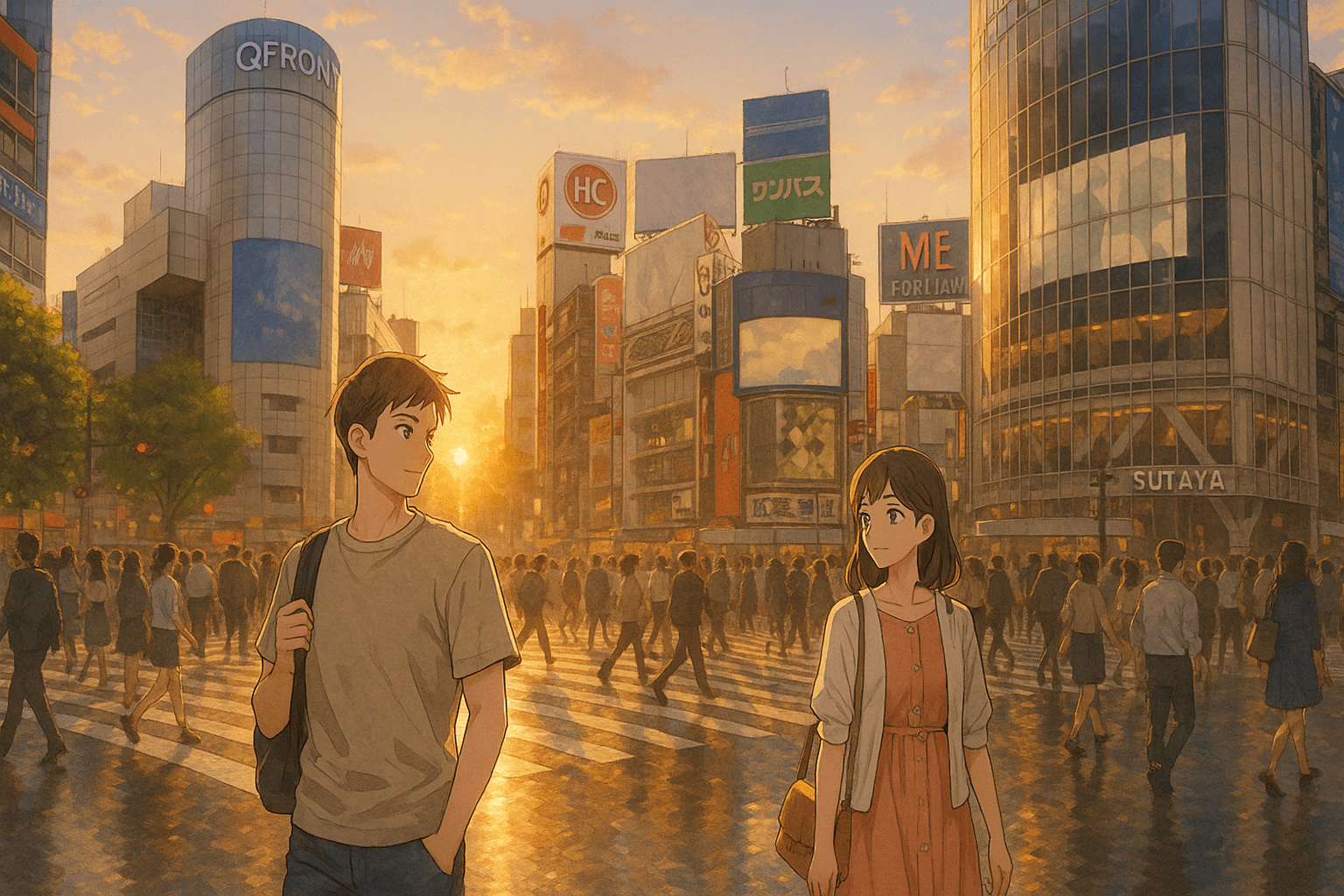
Shibuya Scramble (often called Shibuya Crossing) is the famous multi-directional pedestrian intersection in front of Shibuya Station in Tokyo. When the traffic lights stop, hundreds — sometimes thousands — of people cross in all directions at once, creating one of Tokyo’s most recognizable urban scenes.
Culturally and experientially, the Scramble embodies modern Tokyo: fast-paced, densely populated, visually vibrant, and an intersection of fashion, nightlife, and everyday city life. It’s become an iconic symbol in films, photography, and travel media, but it’s also a working part of the city’s transportation and commercial fabric.
It appeals to first-time visitors who want a quintessential Tokyo moment, photographers and urban observers, shoppers and night-owls exploring Shibuya’s shops and bars, and returning travelers looking to feel the neighborhood’s energy.
Why Visit
- Witness one of the world’s busiest and most cinematic pedestrian crossings.
- Experience the surrounding Shibuya neighborhood—shopping, dining, and nightlife—within a compact area.
- Great spot for street photography and people-watching.
- Easy to combine with other Tokyo experiences (Harajuku, Omotesandō, Ebisu).
Main Areas & What to See
The Crossing Itself
- What it is: The large, X-shaped intersection outside Shibuya Station’s Hachikō Exit.
- Why it matters: A vivid example of organized crowd movement and Tokyo’s urban energy.
- What to notice/do: Time your visit for a green-light cycle; stand on a corner, count crossing waves, and observe the choreography of commuters, shoppers, and tourists.
Hachikō Statue (Hachikō Exit)
- What it is: A bronze statue of Hachikō, the loyal dog who waited daily for his owner at Shibuya Station.
- Why it matters: Local landmark and common meeting point; a short historical, humanizing contrast to the Scramble’s bustle.
- What to notice/do: Snap a quick photo and use the statue as a convenient rendezvous spot.
Shibuya Station Complex & Rooftop Views
- What it is: Multi-level station with shopping malls (Shibuya Mark City, Shibuya Stream, Shibuya Hikarie nearby) and viewpoints above the crossing.
- Why it matters: Offers elevated vantage points for safer, framed photos of the crossing and neon-lit facades.
- What to notice/do: Visit cafés or building terraces that face the intersection for timed photos—especially at dusk.
Center Gai and Spain-zaka
- What it is: Narrow, lively streets branching from the crossing filled with shops, izakaya, bars, and street fashion stores.
- Why it matters: Shows Shibuya’s youth culture and nightlife up close.
- What to notice/do: Walk these alleys for casual dining, people-watching, and discovering small boutiques.
Shibuya Stream & Nonbei Yokocho (Drunkard’s Alley)
- What it is: Shibuya Stream is a modern riverside complex; Nonbei Yokocho is a cluster of tiny post-war bars.
- Why it matters: Contrasts contemporary redevelopment with older, intimate drinking spots.
- What to notice/do: Reserve evenings for yakitori or craft beer at small bars; wander the river walkway for a quieter scene.
Best Time to Visit
- Time of day: Late afternoon to early evening (around golden hour into early night) gives dramatic light for photos and a lively atmosphere. Daytime offers people-flow interest; at night neon signs and billboards make the scene cinematic.
- Crowd considerations: The intersection is busiest during weekday rush hours (7:30–9:30 and 17:00–19:30) and evenings on weekends. Expect large crowds at all times; patience and awareness help.
- Atmosphere differences: Midday feels bustling and commercial; evenings feel more social and entertainment-focused; late night (after 23:00) is quieter with bars and clubs active.
Seasonal Highlights
- Spring (Mar–May): Pleasant temperatures; nearby parks (Yoyogi, around Harajuku) bloom—good for combining a walk with the Scramble visit.
- Summer (Jun–Aug): Hot and humid; festivals and late-night energy increase. Rainy season (early summer) can dampen crowds but creates reflective night scenes.
- Autumn (Sep–Nov): Cooler, comfortable weather and clear skies—excellent for long walks and photography.
- Winter (Dec–Feb): Cold evenings but fewer tourists at times; holiday lights and displays add seasonal sparkle.
Practical Tips
- Cultural etiquette: Keep to the left when walking on sidewalks and stairs where indicated; avoid loud phone conversations on trains; be polite and patient in crowded areas.
- Photography: Street photography is common—be discreet and respectful. Avoid photographing people up close without permission, especially inside restaurants or at private businesses.
- Payment & access: Major credit cards and mobile payments are widely accepted in shops and cafés; smaller stalls or tiny bars may be cash-only—carry some yen.
- Safety & belongings: Pickpocketing is rare, but remain aware of your belongings in crowds.
- Estimated visit duration: 30–90 minutes if you only watch the crossing and take photos; 2–4+ hours to explore nearby shops, bars, and attractions.
Getting There
- Nearest station: Shibuya Station (JR Yamanote Line, Tokyo Metro Ginza, Hanzomon, Fukutoshin lines, Keio Inokashira Line, Tokyu Toyoko/Den-en-toshi lines). Use the Hachikō Exit for the most direct route to the crossing.
- Typical travel time from Tokyo city center: From Tokyo Station (central Tokyo) it’s about 20–30 minutes by JR Yamanote Line or subway (depending on transfers and time of day). From Shinjuku it’s about 7–10 minutes by Yamanote Line.
Is It Worth It?
Yes—especially for first-time visitors: the Scramble is an efficient, concentrated Tokyo experience that pairs easily with shopping, dining, and nearby neighborhoods. For repeat visitors, it remains worthwhile if you haven’t seen it at different times of day or combined it with deeper explorations of Shibuya’s backstreets and small bars. Manage expectations: it’s more an atmospheric urban moment than a long attraction.