
Introduction
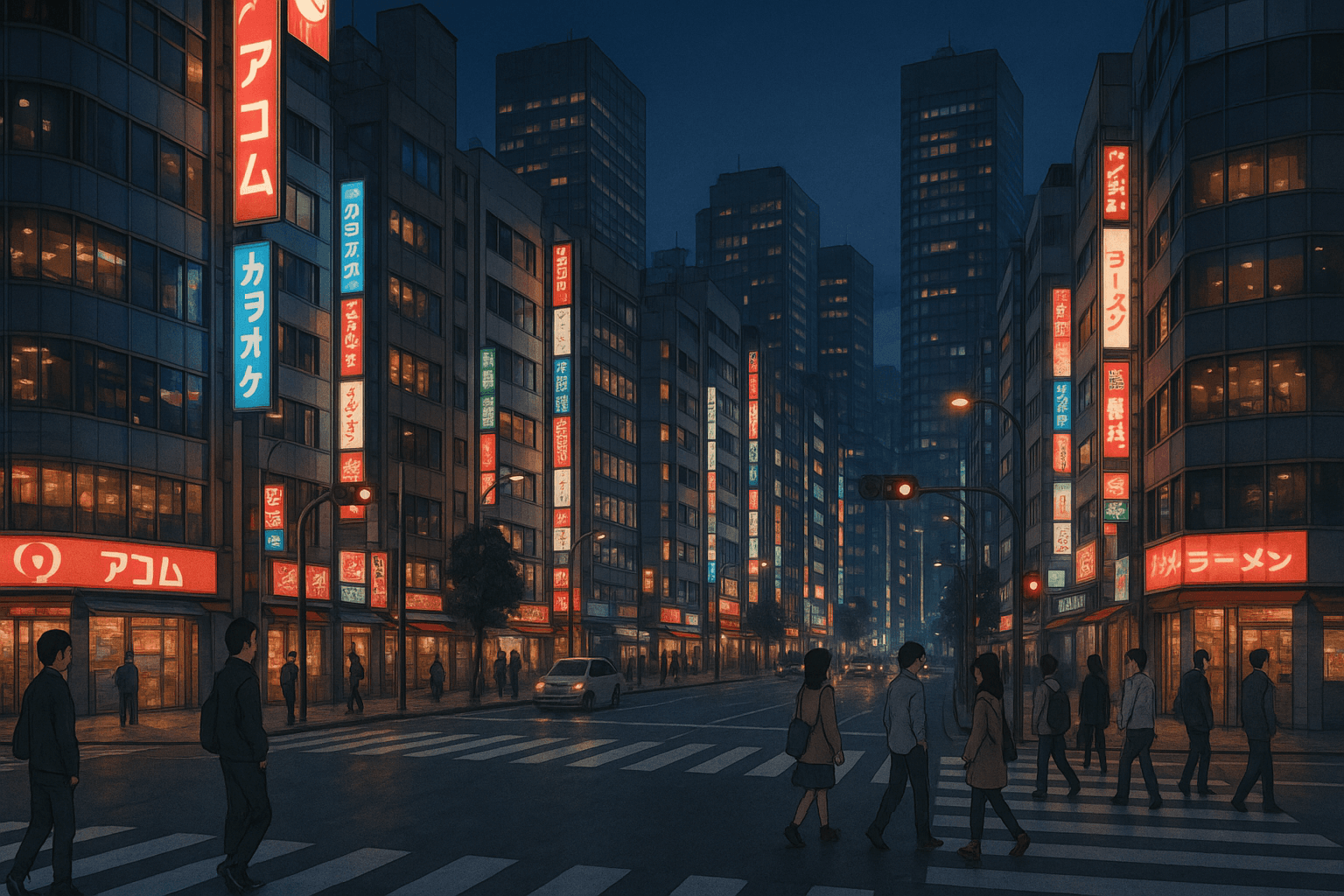
Shinjuku is one of Tokyo's liveliest wards and a major transport, shopping, and entertainment hub. Centered around Shinjuku Station — the world's busiest railway station — the area blends towering office skyscrapers, neon nightlife, tranquil parks, and dense backstreets of small restaurants and bars. Its significance lies in the contrasts: corporate Tokyo meets late-night izakaya culture, and green refuge meets urban spectacle. Shinjuku appeals to first-time visitors who want an essential Tokyo experience, business travelers needing convenience, and repeat visitors seeking local food, nightlife, or a quieter park escape.
Why Visit
- One-stop microcosm of Tokyo: shopping, dining, nightlife, and green space in close proximity.
- Easy transport hub for exploring the rest of Tokyo and nearby day trips.
- Variety of atmospheres: skyscraper views, bustling nightlife, intimate alleyway dining, and peaceful gardens.
- Great options for food from budget ramen to high-end restaurants.
Main Areas & What to See
Shinjuku Station & West Exit (Skyscraper District)
What it is: The transit heart and adjoining high-rise business district with observation decks. Why it matters: Offers skyline views, major shopping malls (e.g., Takashimaya Times Square), and fast access to other Tokyo neighborhoods. What to notice/do: Visit the Tokyo Metropolitan Government Building observation decks for free panoramic views; explore department stores and casual restaurants around the West Exit.
Kabukichō (East of Station)
What it is: Tokyo's best-known entertainment and nightlife quarter, dense with restaurants, bars, host/hostess clubs, and neon streets. Why it matters: A lively, quintessential Tokyo nighttime experience — energetic, a bit raucous, and full of options. What to notice/do: Stick to reputable venues, try an izakaya or yakitori alley, and visit Golden Gai (see below). Avoid touts and unlicensed establishments.
Golden Gai
What it is: A tiny network of narrow alleys lined with hundreds of tiny bars, many with unique themes and small capacities. Why it matters: Intimate nightlife with friendly locals, artists, and long-time proprietors — a cultural pocket unlike modern bars. What to notice/do: Cash often preferred, be prepared to share a table, and respect house rules; some bars have cover charges.
Omoide Yokocho (Memory Lane)
What it is: A compact alley of small yakitori stalls and traditional eats near the station. Why it matters: A glimpse of postwar Tokyo and simple, delicious grilled food at affordable prices. What to notice/do: Try yakitori and sake, watch for space constraints, and keep an eye on opening hours (many are evening-focused).
Shinjuku Gyoen National Garden
What it is: A large, well-maintained park combining Japanese, English, and French garden styles. Why it matters: One of Tokyo's best spots for cherry blossoms and a peaceful contrast to the surrounding urban bustle. What to notice/do: Buy an entry ticket at the gate, stroll the paths, and plan for 1–2 hours to relax or picnic (no alcohol in certain areas during events).
Kabukicho Robot Restaurant / Entertainment (and alternatives)
What it is: Previously an iconic over-the-top show; the area offers a range of novel entertainment from themed cafes to modern shows. Why it matters: Shows Tokyo's playful pop-culture side; if the Robot Restaurant is closed or sold out, look for live music venues, VR experiences, or theatre. What to notice/do: Book in advance for popular shows and check current availability; many venues cater to tourists but read reviews first.
Nichome (Shinjuku 2-chome)
What it is: Tokyo's largest LGBTQ+ district with bars, clubs, and welcoming nightlife. Why it matters: An important cultural and social hub offering inclusive nightlife options. What to notice/do: Enjoy bar-hopping; venues vary from relaxed to dance-forward—respect dress codes and house rules.
Best Time to Visit
- Time of day: Evenings are busiest and most atmospheric for nightlife (Kabukichō, Golden Gai, Omoide Yokocho). Early morning is quiet and best for visiting Shinjuku Gyoen. Late afternoon around golden hour is excellent for skyline photos from observation decks.
- Crowd considerations: Weekdays during business hours are busy around the station with commuters; weekends attract shoppers and tourists. Nightlife areas peak after 9pm.
- Atmosphere differences: Daytime feels practical and commercial; evenings become social and lively; late nights can be rowdy but also full of character.
Seasonal Highlights
- Spring (Mar–Apr): Cherry blossoms at Shinjuku Gyoen — very popular; expect crowds on weekends.
- Summer (Jun–Aug): Warm nights for outdoor drinking and festivals nearby; humidity high, so plan indoor air-conditioned breaks.
- Autumn (Oct–Nov): Pleasant temperatures and autumn colors in the garden; less crowded than spring.
- Winter (Dec–Feb): Clearer skies for skyline views; festive illuminations in streets and shopping centers around December.
- Events: Local ward events and occasional food or shopping festivals occur year-round; check current calendars when planning.
Practical Tips
- Cultural etiquette: Bow lightly when greeted, speak quietly on trains, remove shoes when entering establishments that request it, and queue politely at station platforms and stores.
- Photography rules: Street photography is fine in public areas; inside small bars, restaurants, or private venues ask permission before photographing people. Avoid filming inside trains during rush hour.
- Payment & access: Many places accept credit cards in major department stores and restaurants, but small bars and food stalls are often cash-only — carry some yen. ATMs that accept international cards are available in convenience stores and major stations.
- Timing & estimated visit duration: Short visit (2–3 hours) can cover the station area, Omoide Yokocho, and a quick Golden Gai walk. A fuller experience including Shinjuku Gyoen, an observation deck, and evening nightlife requires a half-day to a full evening (4–8 hours).
Getting There
- Nearest stations: Shinjuku Station (JR lines, Odakyu, Keio), Shinjuku-sanchome Station (Tokyo Metro Fukutoshin/Marunouchi/Toei Shinjuku), Seibu-Shinjuku Station (Seibu Line).
- Typical travel time from Tokyo city center: From Tokyo Station about 15–20 minutes by JR Chuo Line (rapid); from Shibuya about 7–10 minutes by JR Yamanote or Saikyo lines. Times vary with route and service type.
Is It Worth It?
Yes — Shinjuku is worth visiting for the breadth of experiences in one compact area. It offers quintessential Tokyo contrasts: efficient transport, vibrant nightlife, excellent food, and peaceful green space. For travelers short on time, it’s an efficient slice of Tokyo; for those with more time, it rewards slower exploration of alleys, bars, and the garden. Be mindful of busy times and small-venue etiquette, and you'll get an authentic, memorable taste of the city.