
Introduction
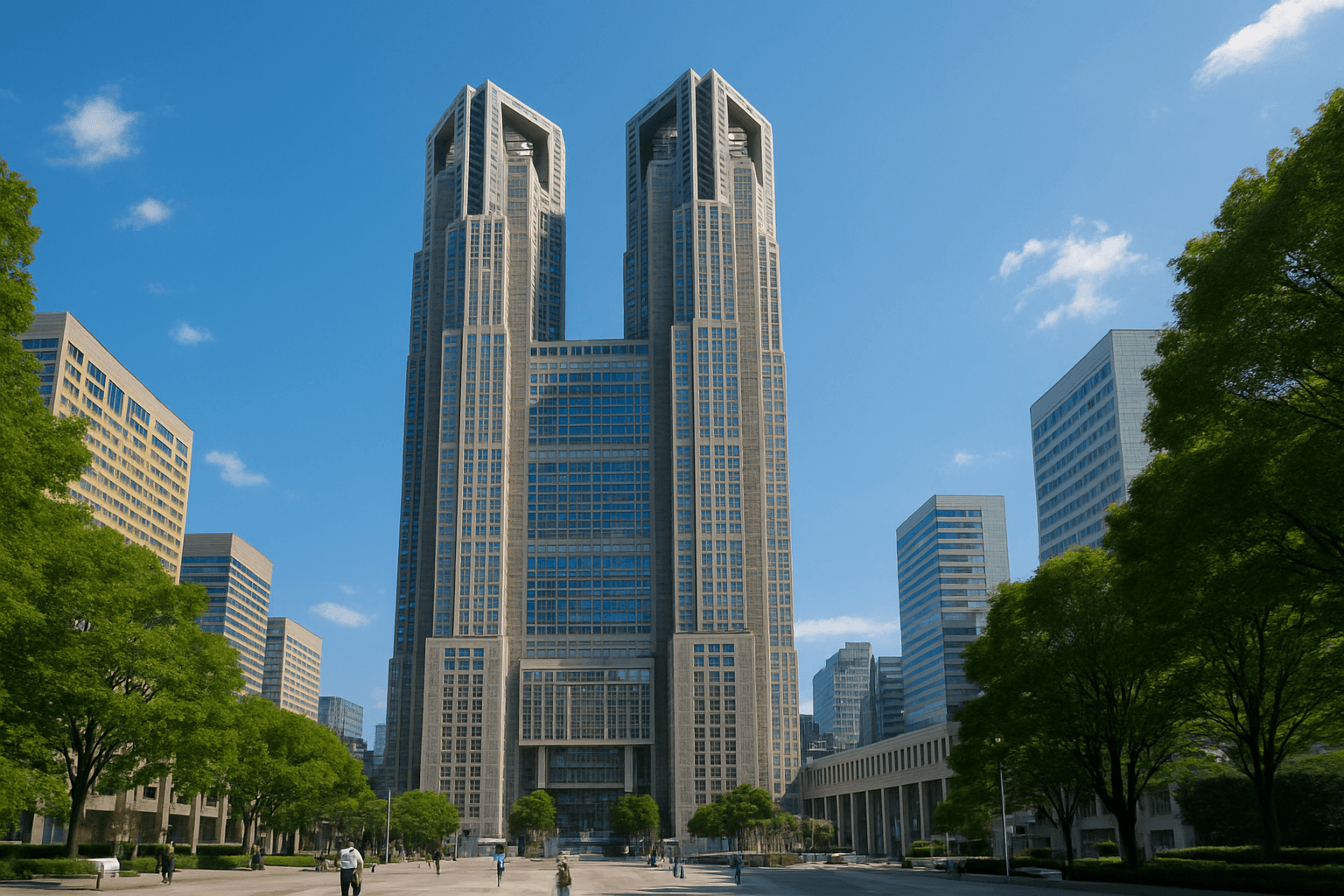
The Tokyo Metropolitan Government Building (commonly called Tocho) is the seat of Tokyo’s metropolitan government in Shinjuku. Designed by Kenzo Tange and completed in 1991, its twin-tower silhouette is a modern Tokyo landmark. The building’s public observation decks offer panoramic views of the city — on clear days you can see Mount Fuji — and the complex includes visitor amenities, a civic plaza, and exhibitions about Tokyo’s government and urban planning.
Tocho appeals to first-time visitors who want a free, high-elevation view of Tokyo, returning travelers hunting cityscapes at different light, and travelers wanting a quick, practical vantage point without the lines and costs of commercial observation towers.
Why Visit
- Free observation decks with wide, unobstructed views of Tokyo skyline.
- Less crowded and more local than commercial towers; good for photography and orientation.
- Conveniently located in Shinjuku — combine with shopping, parks, and nightlife.
- Architecture and civic atmosphere offer a different, down-to-earth Tokyo experience.
Main Areas & What to See
North and South Observation Decks
- What it is: Two observation decks (one in each tower) on the 45th floor open to the public for free.
- Why it matters: They provide panoramic 360° views of Tokyo — sunrise, sunset, and night views are particularly rewarding.
- What to notice/do: Check each deck for slightly different perspectives; bring a small telephoto lens for distant landmarks (Tokyo Skytree, Tokyo Tower, and on clear days Mount Fuji). The decks have viewing scopes and maps to help identify landmarks.
Plaza and Ground-Level Public Spaces
- What it is: A landscaped plaza with sculptures and seasonal displays in front of the building.
- Why it matters: Good for a relaxed start or finish to your visit, street-level photos, and people-watching amid local commuters.
- What to notice/do: Take time to walk the plaza, notice the juxtaposition of greenery against the skyscrapers, and look for civic event posters or temporary exhibitions.
Government Complex & Exhibition Areas
- What it is: Public exhibition spaces and information centers about Tokyo’s administration and disaster preparedness.
- Why it matters: Offers local context — how Tokyo is planned and managed — useful for culturally curious travelers.
- What to notice/do: Browse free displays on disaster readiness (practical for visitors to Japan), pick up bilingual leaflets, and check for small rotating exhibits.
Nearby Shinjuku Landmarks (within walking distance)
- What it is: Shinjuku Gyoen National Garden, Omoide Yokocho, Kabukicho entertainment district, and shopping around Shinjuku Station.
- Why it matters: Easy to combine a Tocho visit with green space, food, and nightlife.
- What to notice/do: Plan to pair the observation deck with a stroll in Shinjuku Gyoen for contrast between urban and natural views.
Best Time to Visit
- Time of day: Late afternoon toward sunset is ideal — you can see the daytime cityscape, sunset colors, and transition to night lights. Early morning offers quieter viewing but limited city activity below.
- Crowd considerations: Midweek mornings and early afternoons are least crowded. Evenings and weekends draw more visitors, especially at sunset.
- Atmosphere differences: Daytime = clear detail; golden hour = dramatic skies; night = sparkling city lights and a romantic mood.
Seasonal Highlights
- Spring: Cherry blossoms in nearby parks (e.g., Shinjuku Gyoen) create lovely foregrounds in spring photographs.
- Summer: Longer daylight and festival energy in Shinjuku; expect higher humidity and occasional haze affecting distant views.
- Autumn: Clearer air and colorful foliage in nearby green spaces improve long-distance visibility and add warm tones to photos.
- Winter: Best chance to see Mount Fuji on very clear days; crisp air yields the sharpest panoramic views.
- Special events: The plaza sometimes hosts civic fairs, seasonal illumination, or cultural events — check local notices on arrival.
Practical Tips
- Cultural etiquette: Keep voices low on observation decks, avoid blocking viewing areas, and follow staff instructions. Bow briefly if interacting with staff.
- Photography rules: Photography is allowed on the observation decks; tripods/monopods may be restricted during busy times—be discreet and avoid blocking walkways.
- Payment and access: Observation decks are free. Restrooms and vending machines are available; food outlets are limited. Check opening hours before visiting (hours can change for maintenance or events).
- Accessibility: Elevators serve public floors; accessible restrooms are available. Staff can assist if you need help.
- Estimated visit duration: 30–90 minutes depending on whether you visit both decks and browse exhibits.
Getting There
- Nearest stations: Tochomae Station (Toei Oedo Line) exits lead directly to the building; Shinjuku Station (JR lines, multiple subway lines) is a 10–15 minute walk.
- Typical travel time from city center: From Tokyo Station, expect ~15–25 minutes by subway or 20–30 minutes by taxi depending on traffic.
- Other access tips: Follow signs for the Tokyo Metropolitan Government Building (都庁) — English signage is plentiful in Shinjuku.
Is It Worth It?
Yes, especially if you want a free, convenient, and relatively uncrowded high viewpoint to orient yourself to Tokyo. It’s an honest, practical stop rather than a spectacle: combine it with nearby parks or evening plans. If you’re short on time or prefer commercial towers with cafés or higher platforms, you might prioritize other observation points, but Tocho remains a dependable, cost-free way to see Tokyo from above.