
Introduction
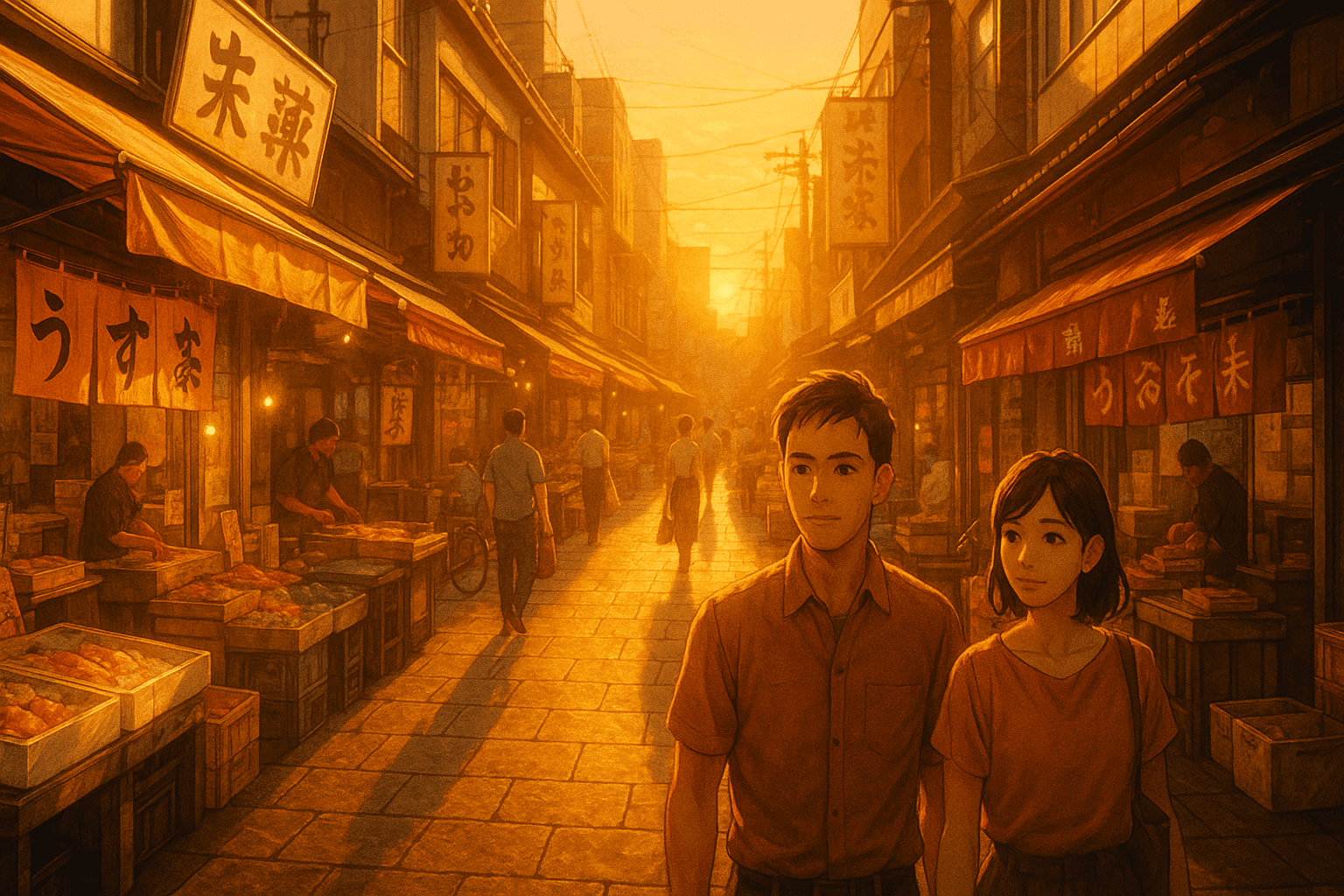
Tsukiji Outer Market (Tsukiji Jogai Shijo) is the lively network of retail shops and food stalls that grew around the former wholesale fish market in central Tokyo. While the inner wholesale auction moved to Toyosu in 2018, the Outer Market remains a bustling neighborhood of fresh seafood vendors, specialist food shops, and small restaurants serving sushi, grilled fish, and Japanese street-food specialties. The market blends culinary tradition, skilled retailing, and everyday Tokyo life.
This place matters culturally as a living hub of Japan’s seafood and culinary supply chain and historically as the long-standing food heart of Tokyo. It appeals to food lovers, home cooks, photographers, and travelers who want an accessible, sensory introduction to Japanese ingredients and casual dining.
Why Visit
- Taste some of Tokyo’s freshest sushi, seafood snacks, and seasonal treats.
- Watch skilled vendors prepare and cut fish, and browse specialty kitchenware and ingredients.
- Experience an energetic, small-scale market atmosphere without the formal auction bustle.
- Learn about Japanese culinary culture through hands-on shopping and eating.
Main Areas & What to See
Chuo Dori (Central Street)
What it is: The main pedestrian artery lined with stalls and small restaurants. Why it matters: It’s where most visitors stroll, sample street food, and choose eateries. What to notice/do: Stop at counter sushi bars for quick sets, try tamagoyaki (rolled omelet), and sample grilled skewers.
Retail Shops for Seafood & Ingredients
What it is: Family-run vendors selling fresh fish, shellfish, dried seafood, seaweed, sauces, and condiments. Why it matters: Many sell to restaurants and home cooks; they showcase seasonal, specialty items. What to notice/do: Ask vendors about seasonal recommendations; small purchases are welcome—bring a tote for packaged or dried goods.
Kitchenware & Knives Row
What it is: Stores specializing in Japanese knives, ceramics, bamboo tools, and other professional equipment. Why it matters: Tsukiji is a good place to find quality kitchenware with expert service and sharpening. What to notice/do: Handle blades carefully, ask about warranty/sharpening, and be prepared to pay more for artisan knives.
Small Eateries & Sushi Counters
What it is: Counter-style restaurants and tiny izakayas serving single-dish meals and sushi. Why it matters: Many offer some of the freshest, highest-value food you can find for the price. What to notice/do: Be ready to queue for popular counters; consider ordering the chef’s set for a swift, well-curated meal.
Best Time to Visit
- Time of day: Early morning (8:00–10:00) is lively, with the best food options and freshest items; late morning to early afternoon (11:00–13:30) remains busy for lunch.
- Crowd considerations: Midweek mornings are less crowded than weekends. Weekends attract more tourists and family groups.
- Atmosphere differences: Mornings feel work-focused and energetic; midday is more visitor-friendly with more open stalls and seating.
Seasonal Highlights
- Spring: Lighter seafood like young fish and seasonal shellfish; pleasant weather for walking.
- Summer: More chilled seafood dishes and seasonal small fish; expect hotter, busier conditions.
- Autumn: Richer, oilier fish and a great time for tasting seasonal catches.
- Winter: Some of the best shellfish and crab varieties; shops may offer seasonal specialties and tastings.
Note: Special local events sometimes occur around market anniversaries or culinary festivals; schedules vary year to year.
Practical Tips
- Cultural etiquette: Be polite and brief when speaking to vendors; a small bow and a simple "arigato" (thank you) is appreciated.
- Photography: Most street photos are fine; always ask before photographing staff or delicate displays. Some shops may prohibit photos—respect signs.
- Payment & access: Many small stalls are cash-friendly, though more shops accept cards now—carry some cash (¥). Shops vary on opening days; many open early and close after lunch or mid-afternoon.
- Safety & flow: Streets are narrow—watch for carts and deliveries. Keep your bag close and avoid blocking the aisle while sampling.
- Estimated visit duration: 1–2 hours for a focused visit (sampling and shopping); 2–4 hours to eat leisurely and browse thoroughly.
Getting There
- Nearest stations: Tsukiji Station (Tokyo Metro Hibiya Line) is the closest for the central market area; alternatively, Higashi-Ginza Station (Toei Asakusa & Tokyo Metro Hibiya lines) and Ginza Station (Tokyo Metro) are within a 10–15 minute walk depending on exit.
- Typical travel time from the city center: From Tokyo Station, it’s about 10–15 minutes by subway or 10 minutes by taxi depending on traffic. From Shinjuku or Shibuya, expect 20–30 minutes by train.
Is It Worth It?
Yes — for food-focused travelers, home cooks, and anyone who enjoys hands-on culinary culture, Tsukiji Outer Market offers an authentic, compact taste of Tokyo’s food scene. It’s less about large-scale auctions and more about eating, shopping, and watching skilled vendors at work. If you have limited time and dislike crowds, consider an early weekday visit or combine Tsukiji with nearby Ginza for a fuller day plan.