
Introduction
Ueno Park (Ueno Onshi Kōen) is one of Tokyo's most beloved public parks: a leafy, museum-rich complex in northeastern central Tokyo built on land once belonging to the Kaneiji Temple. It combines open green space, historic monuments, and cultural institutions — all within walking distance of Ueno Station. The park is culturally significant as a long-standing public gathering place, a focal point for seasonal celebrations (especially cherry blossoms), and a center for museums, a zoo, and traditional shrines. It appeals to first-time visitors who want a concentrated slice of Tokyo’s art and history, families visiting Ueno Zoo, and returning travelers seeking relaxed neighborhoods, seasonal scenery, and people-watching.
Why Visit
- Exceptional concentration of museums (Tokyo National Museum, National Museum of Nature and Science, Tokyo Metropolitan Art Museum) within a compact area.
- Famous cherry-blossom (sakura) viewing spot in spring and pleasant greenery year-round.
- Easy access to Ueno Zoo, Shinobazu Pond, and historic shrines — great for families and culture seekers.
- Convenient transport hub with vibrant Ameya-Yokochō market nearby for food, souvenirs, and street atmosphere.
Main Areas & What to See
Park Entrance and Cherry-Tree Lanes
- What it is: Main walkways lined with cherry trees connecting Ueno Station to the park’s heart.
- Why it matters: The tree-lined avenues create one of Tokyo’s most iconic hanami (flower-viewing) corridors.
- What to notice/do: Stroll slowly in spring, arrive early to avoid crowds, and look for commemorative stone monuments along the paths.
Tokyo National Museum
- What it is: Japan’s oldest and largest museum of art and archaeology.
- Why it matters: Offers a sweeping view of Japanese art, samurai armor, ceramics, and rotating special exhibits.
- What to notice/do: Allow 1.5–2 hours for highlights; check English signage and audio guides; store large bags in lockers.
National Museum of Nature and Science
- What it is: Hands-on natural history and science museum with exhibits on Japan’s natural environment and technology.
- Why it matters: Great for families and curious travelers — dinosaur displays, interactive exhibits, and space/technology sections.
- What to notice/do: Kids-friendly exhibits; ticketed special exhibits may require separate admission.
Tokyo Metropolitan Art Museum
- What it is: A modern public art museum hosting rotating exhibitions of Japanese and international artists.
- Why it matters: Accessible contemporary art in an architecturally notable building.
- What to notice/do: Check current exhibitions before you go — admission varies by show.
Ueno Zoo
- What it is: Japan’s oldest zoo, famous for its giant pandas among many other species.
- Why it matters: Family-friendly attraction in the park with a mix of indoor/outdoor enclosures.
- What to notice/do: Queue for pandas during peak times, plan around feeding schedules, and note separate entrance fees.
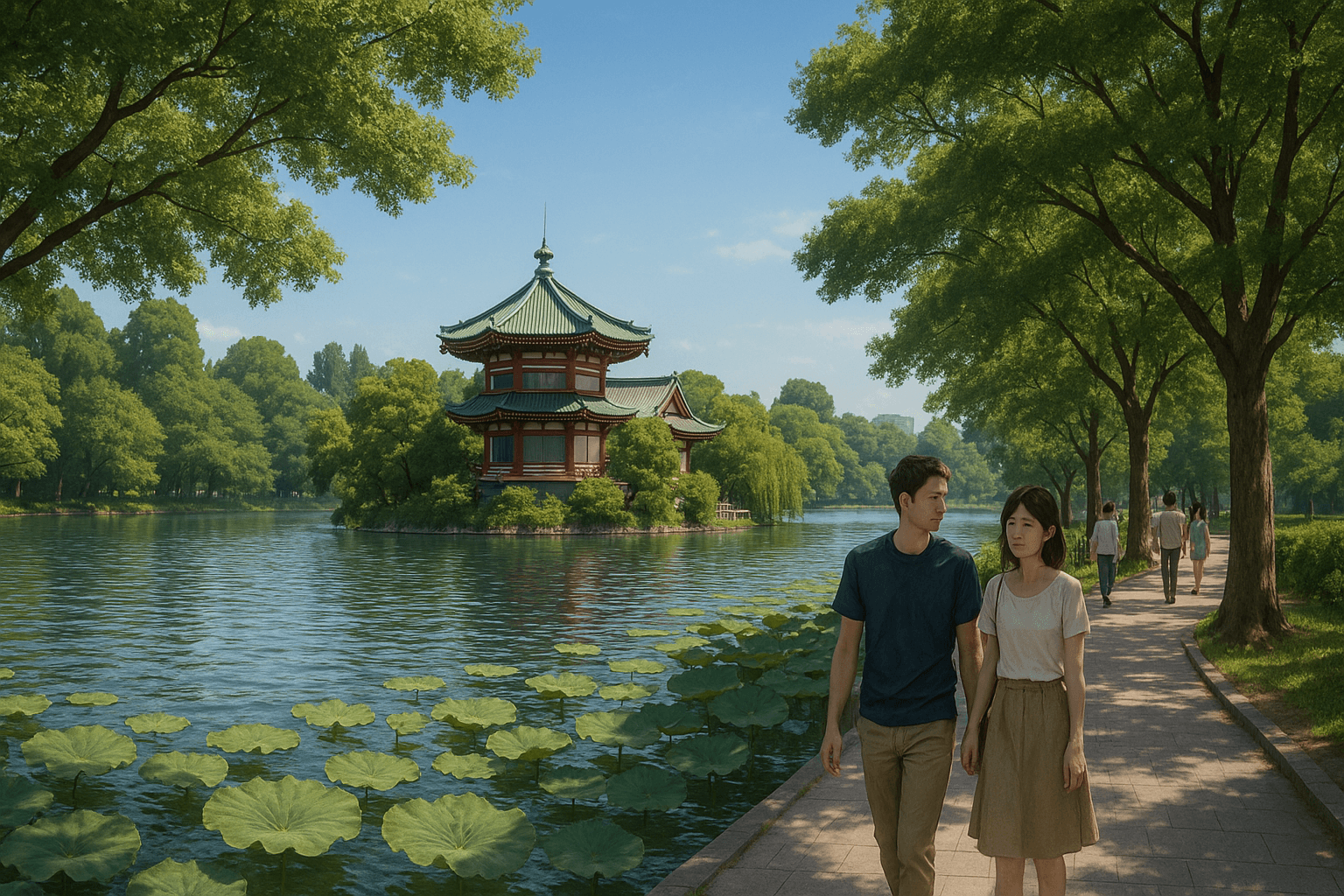
Shinobazu Pond and Bentendo Island
- What it is: A scenic pond with boating in summer and a small island shrine (Bentendo) accessible by bridge.
- Why it matters: Offers a peaceful contrast to museum crowds and good birdwatching.
- What to notice/do: Rent a rowboat in warmer months, visit Bentendo for its small wooden shrine, and walk the pond perimeter.
Ueno Toshogu Shrine and Kiyomizu Kannon-do
- What it is: Historic Shinto and Buddhist sites within the park.
- Why it matters: Ueno Toshogu is a richly decorated Edo-period shrine; Kiyomizu Kannon-do offers good views over the park.
- What to notice/do: Observe respectful shrine etiquette (bow, cleanse hands), and take photos outside sacred buildings only where allowed.
Ameya-Yokochō Market (Ameyoko)
- What it is: Bustling outdoor market just outside the park near Ueno Station.
- Why it matters: Lively place to sample street food, buy snacks, cosmetics, and bargains.
- What to notice/do: Keep small change ready; try snacks like takoyaki, yakitori, and fresh seafood stands.
Best Time to Visit
- Time of day: Morning (9:00–11:00) for quieter museum visits and pleasant walking; late afternoon for softer light around Shinobazu Pond and people-watching.
- Crowd considerations: Weekends and sakura season attract heavy crowds; weekday mornings are best for a calmer experience.
- Atmosphere differences: Mornings feel museum-focused and tranquil; afternoons bring families and market activity; evenings offer a calmer, lamp-lit stroll but some museums close early.
Seasonal Highlights
- Spring (late March–early April): Peak cherry-blossom viewing — lively hanami parties under the trees and packed pathways.
- Summer: Lush greenery, boating on Shinobazu Pond, and occasional outdoor events; high humidity and occasional rain.
- Autumn: Crisp air and colorful foliage in late November — quieter than spring but very picturesque.
- Winter: Fewer crowds, clear skies, and a peaceful park; some museums host year-end exhibitions.
- Festivals/special events: Seasonal exhibitions at museums and occasional shrine festivals; hanami is the most notable seasonal activity.
Practical Tips
- Cultural etiquette: Keep voices low in museum spaces and near shrines; remove hats and step back if someone is praying; use designated smoking areas outside the park.
- Photography: Generally allowed in outdoor and public areas; obey signs inside museums, galleries, and sanctuaries where flash/photography may be prohibited.
- Payment & access: Museums accept credit cards but carry cash for market stalls and small vendors; coin lockers are available near the park and station for luggage.
- Timing: Allocate 2–4 hours for a good visit (museum-focused mornings can easily take a full half-day). Combine a museum plus a stroll, pond visit, and market stop for a balanced day.
Getting There
- Nearest stations: Ueno Station (JR Yamanote, Keihin-Tohoku, Joban Lines, Shinkansen access at Ueno), Uguisudani Station (JR), and Ueno-hirokoji / Keisei Ueno (subway/Keisei for airport access).
- Typical travel time from city center: From Tokyo Station — about 10–15 minutes by JR (Yamanote/Keihin-Tohoku). From Shinjuku — roughly 20–25 minutes by train (direct via Yamanote/Chuo Line connections).
Is It Worth It?
Yes — Ueno Park is worth visiting for its rare concentration of major museums, accessible green space, and seasonal scenery. It gives a compact, varied experience of Tokyo’s culture and leisure: ideal for a half-day to a full-day stop. If you prefer solitude or contemporary trendy neighborhoods, you may find parts busy or slightly touristy; mix quieter paths, early hours, and lesser-known museums to get a more peaceful visit.