
Introduction
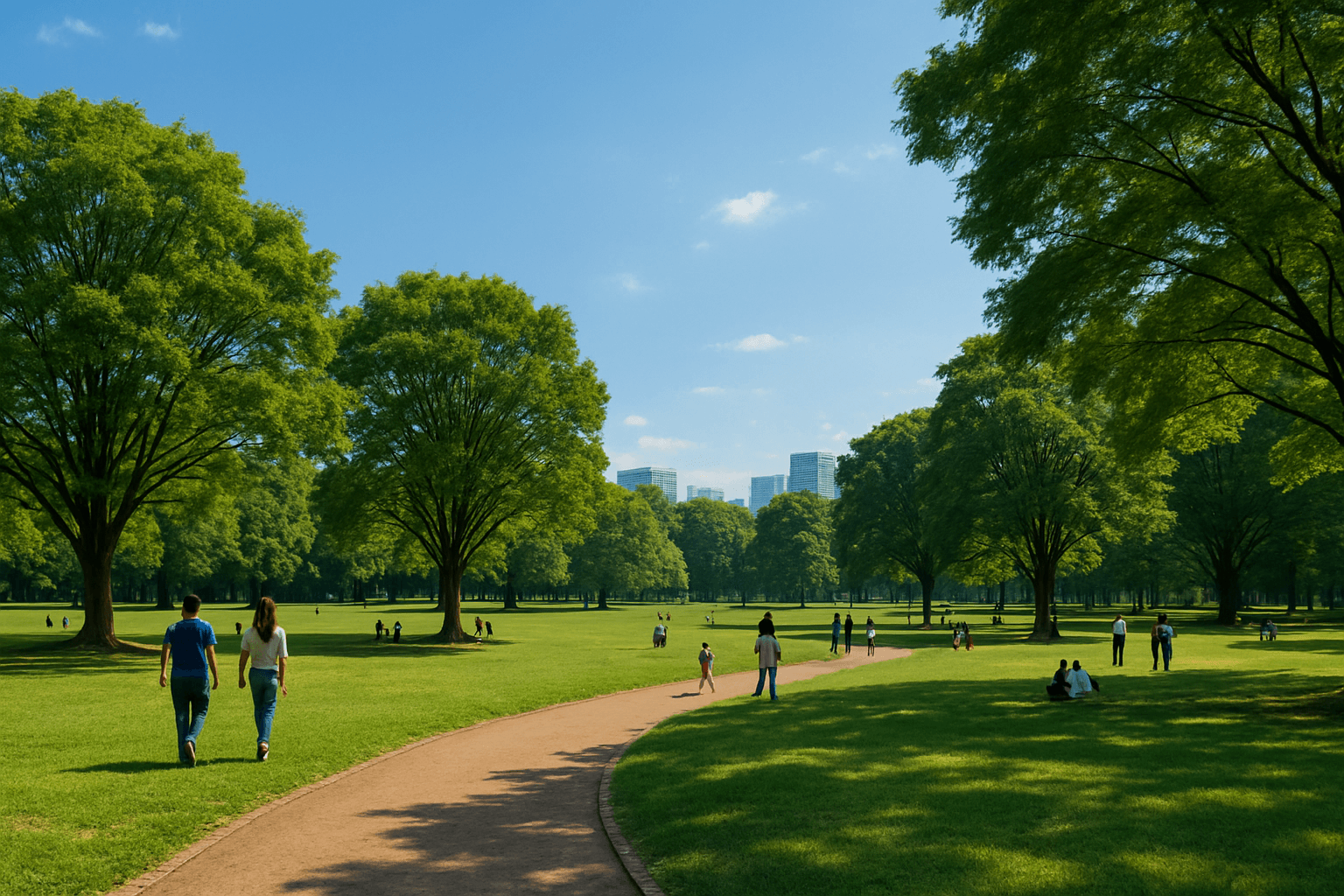
Yoyogi Park is one of Tokyo’s largest and most popular urban green spaces, located next to Harajuku and the Meiji Shrine. It blends wide lawns, wooded groves, paved plazas and ponds, offering a surprisingly relaxed contrast to the city’s frenetic streets. The park is culturally significant as a longtime gathering place for music, fashion subcultures, weekend hobbyists and seasonal festivals, and it sits beside the important Shinto site of Meiji Jingu.
It appeals to first-time visitors who want a restful slice of Tokyo, returning travelers who enjoy people-watching and local street culture, families seeking open space, and anyone interested in seasonal displays—especially cherry blossoms and autumn color.
Why Visit
- Generous green space in the heart of Tokyo—good for strolling, picnics and relaxation.
- A front-row seat to Tokyo’s informal street culture: performers, cosplayers and weekend meetups.
- Close to Harajuku shopping and Meiji Shrine, making it an easy combo stop.
- Beautiful seasonal changes—cherry blossoms in spring and colorful leaves in autumn.
Main Areas & What to See
Central Lawn
- What it is: A large open grassy area in the park’s center.
- Why it matters: The lawn is the park’s social hub—perfect for picnics, frisbee, and watching informal performances.
- What to notice/do: Bring a sheet for a picnic, watch local bands and dance groups on weekends, and stay aware of signage limiting sports in some sections.
The Woodland Groves
- What it is: Shaded paths lined with tall trees that create a quieter atmosphere.
- Why it matters: Offers a peaceful contrast to the lawn; a favorite for morning walks and birdwatching.
- What to notice/do: Walk slowly to enjoy the canopy, and look for small ponds and seasonal wildflowers.
The Ponds and Smaller Gardens
- What it is: Scattered water features and planted areas around the park.
- Why it matters: These spots add variety to the landscape and are good for photos and short rests.
- What to notice/do: Pause by the water for reflections of the trees and cityscape; avoid feeding wildlife.
Hooded Areas near Meiji Shrine (park edge)
- What it is: The park borders Meiji Jingu’s forested approach and shrine grounds.
- Why it matters: The juxtaposition of a public park and a major shrine creates a strong cultural contrast.
- What to notice/do: Respect shrine etiquette if you enter Meiji Jingu—bow, wash hands at the temizuya (water pavilion), and behave quietly.
Outdoor Event Spaces and Stages
- What it is: Designated plazas and spaces where small concerts, flea markets and food stalls appear.
- Why it matters: These give the park its lively weekend character.
- What to notice/do: Check local listings or on-site noticeboards for events; arrive early for limited seating.
Best Time to Visit
- Time of day: Early morning (6:00–9:00) for quiet walks and cooler air; late afternoon into early evening (15:00–18:00) for picnics and people-watching. Weekends are livelier.
- Crowd considerations: Weekends and holidays draw performers and families; weekdays are much calmer. Cherry blossom season and peak autumn color attract heavy crowds.
- Atmosphere differences: Mornings are serene and suited to exercise; afternoons are social and energetic; evenings can be mellow but may feel busier near event areas.
Seasonal Highlights
- Spring: Cherry blossoms (sakura) transform parts of the park—picnic spots fill quickly on sunny days.
- Summer: Lawn and performance culture peak; you’ll find dance groups, bands and creative meetups—stay sun-ready.
- Autumn: Trees around the park change color; cooler weather makes long walks pleasant.
- Winter: Quieter, with crisp air and clearer city views; few festivals but peaceful strolls.
Note: Events and festivals vary year to year; if you’re planning around a specific display or market, check event listings close to your travel date.
Practical Tips
- Cultural etiquette: Keep noise reasonable in quiet areas, clean up after yourself, and follow any posted rules. If you enter Meiji Shrine, observe standard shrine etiquette (bowing, cleansing hands, modest dress).
- Photography: Photography of the landscape and public performances is fine, but always ask before photographing identifiable people—cosplayers and performers usually welcome photos if you ask politely. Avoid using flash for shrine rituals.
- Payment & access: Entry to Yoyogi Park is free. Food vendors appear occasionally; bring cash for small purchases though many vendors accept cards or mobile pay in central Tokyo—carry a small amount of yen just in case.
- Food & alcohol: Picnicking is common; public drinking is tolerated but avoid excessive noise or litter. Barbecues are restricted to designated areas and require permits; unauthorized grilling is prohibited.
- Facilities: Public restrooms and water fountains are available but can be limited during events—plan accordingly.
- Estimated visit duration: 1–3 hours for a relaxed visit; 3–5 hours if combining with Meiji Shrine and Harajuku shopping.
Getting There
- Nearest stations:
- Harajuku Station (JR Yamanote Line) — main access to the park’s eastern side.
- Yoyogi-Koen Station (Tokyo Metro Chiyoda Line) — convenient for the western side near the woodland.
- Yoyogi Station (JR) — a short walk to the south entrance.
- Typical travel time from the city center: From Tokyo Station, expect roughly 20–30 minutes by train (transfer times vary). From Shinjuku it’s 5–10 minutes by local train or a 15–20 minute walk.
Is It Worth It?
Yes—Yoyogi Park is worth a visit for the balance it offers: wide green spaces, local street culture and easy connections to Harajuku and Meiji Shrine. For a short stop it gives a refreshing break from Tokyo’s urban density; for a longer stay it rewards curiosity with performances and seasonal beauty. If you prefer pristine, strictly curated parks, the informal weekend crowds and lively subcultures may feel noisy—plan your visit time accordingly.