
Kyoto · Itinerary
Kyoto Base — Nara & Osaka in 48 Hours
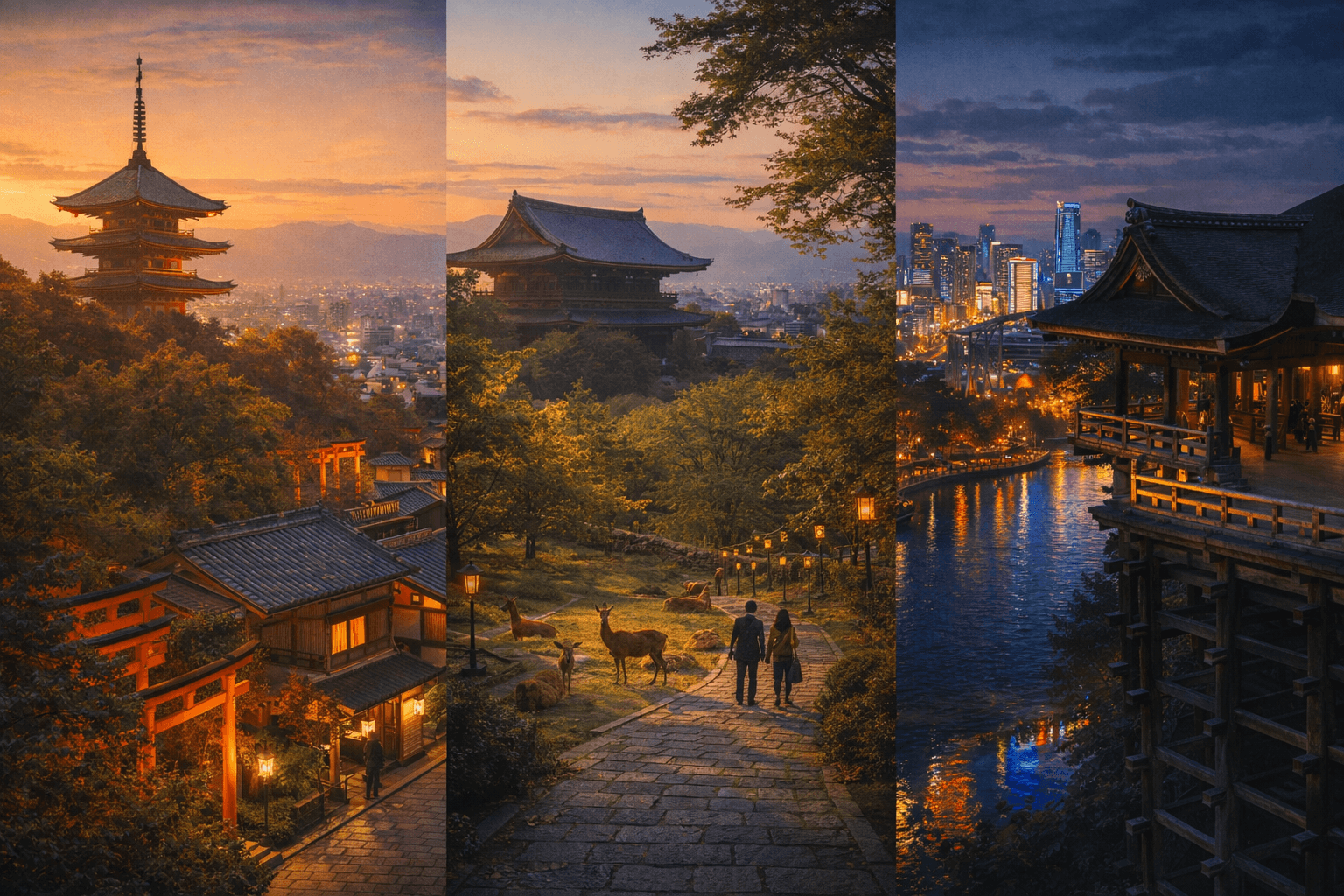
Itinerary
Itinerary
Day 01
Fushimi Inari & Kiyomizu-dera 🏯 → Nishiki Market 🍣 → Nara Park & Todai-ji 🦌
Day 02
Osaka Castle 🏯 → Dotonbori & Namba 🍜 → Shinsaibashi shopping 🛍️
Start/end point: Kyoto Station (central, luggage storage available). Times are local and approximate — adjust for train schedules and personal pace. Use an IC card for faster transfers.
Practical Tips
-
Packing Tips:
- Travel light for easy train transfers; a daypack, comfortable walking shoes, and a light rain layer are essential.
- Bring cash (¥) for small vendors and shrine donations; many small stalls are cash-first.
-
Transit Tips:
- Get an IC card (ICOCA/Suica/Pasmo) at the station for seamless trains, buses, and convenience stores.
- Use JR or private rail for Kyoto↔Nara (Kintetsu faster to central Nara) and Kyoto↔Osaka (JR special rapid or limited express) — check departure boards.
-
Safety & Courtesy:
- Be respectful in shrines/temples: no loud phone calls, follow photo restrictions, and bow where customary.
- With deer in Nara, do not tease or chase them; use official deer-cracker vendors if feeding.
-
Dining & Reservations:
- Popular kaiseki and top sushi restaurants may require reservations; book in advance if you want a specific high-end place.
-
Photo Tips:
- For Fushimi Inari, arrive early (sunrise–08:00) to avoid crowds. For the Dotonbori Glico sign, sunset/blue-hour yields dramatic reflections.
-
Accessibility & Pace:
- This plan is paced for two adults using public transit with walking; adjust if mobility needs differ.
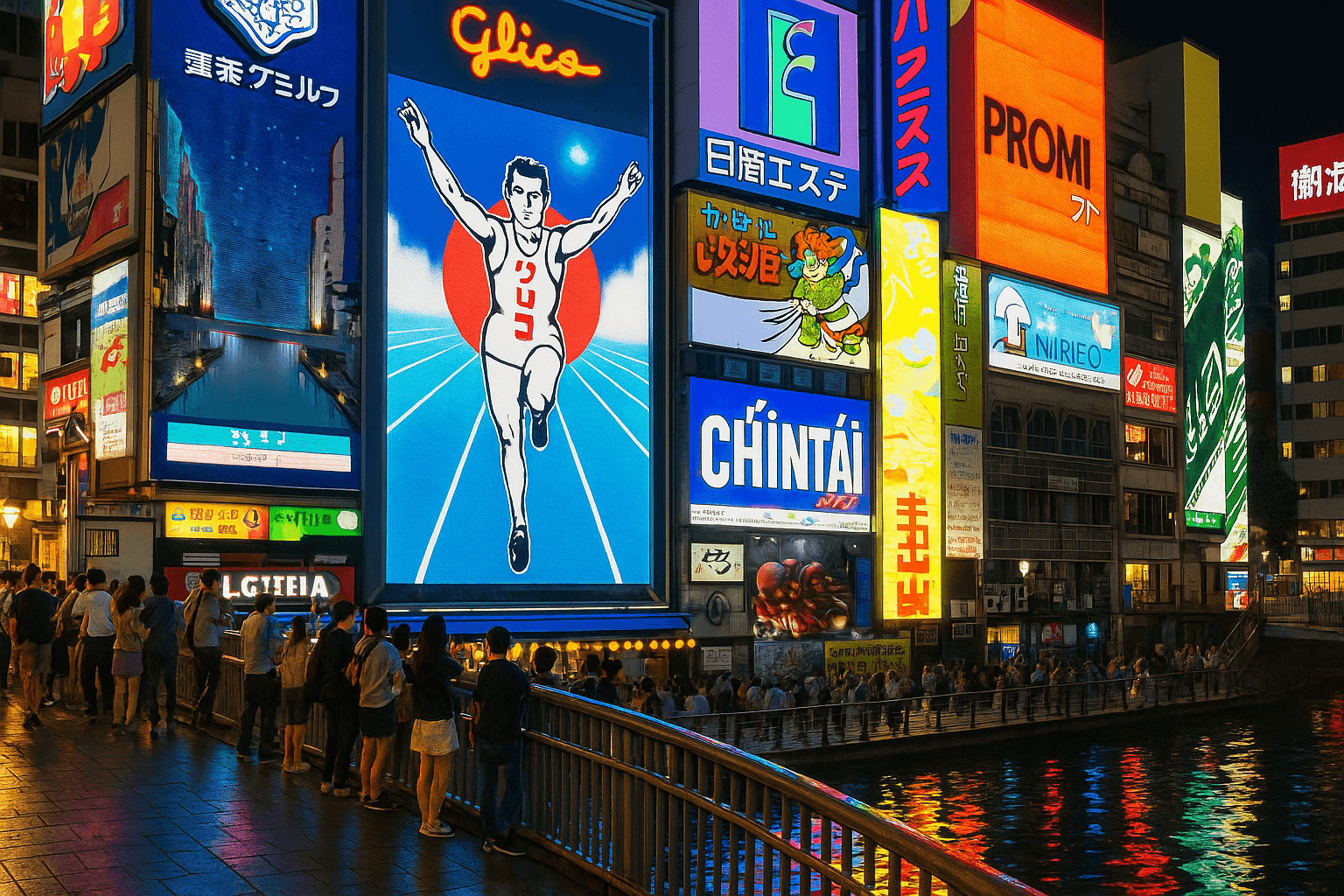
Dotonbori
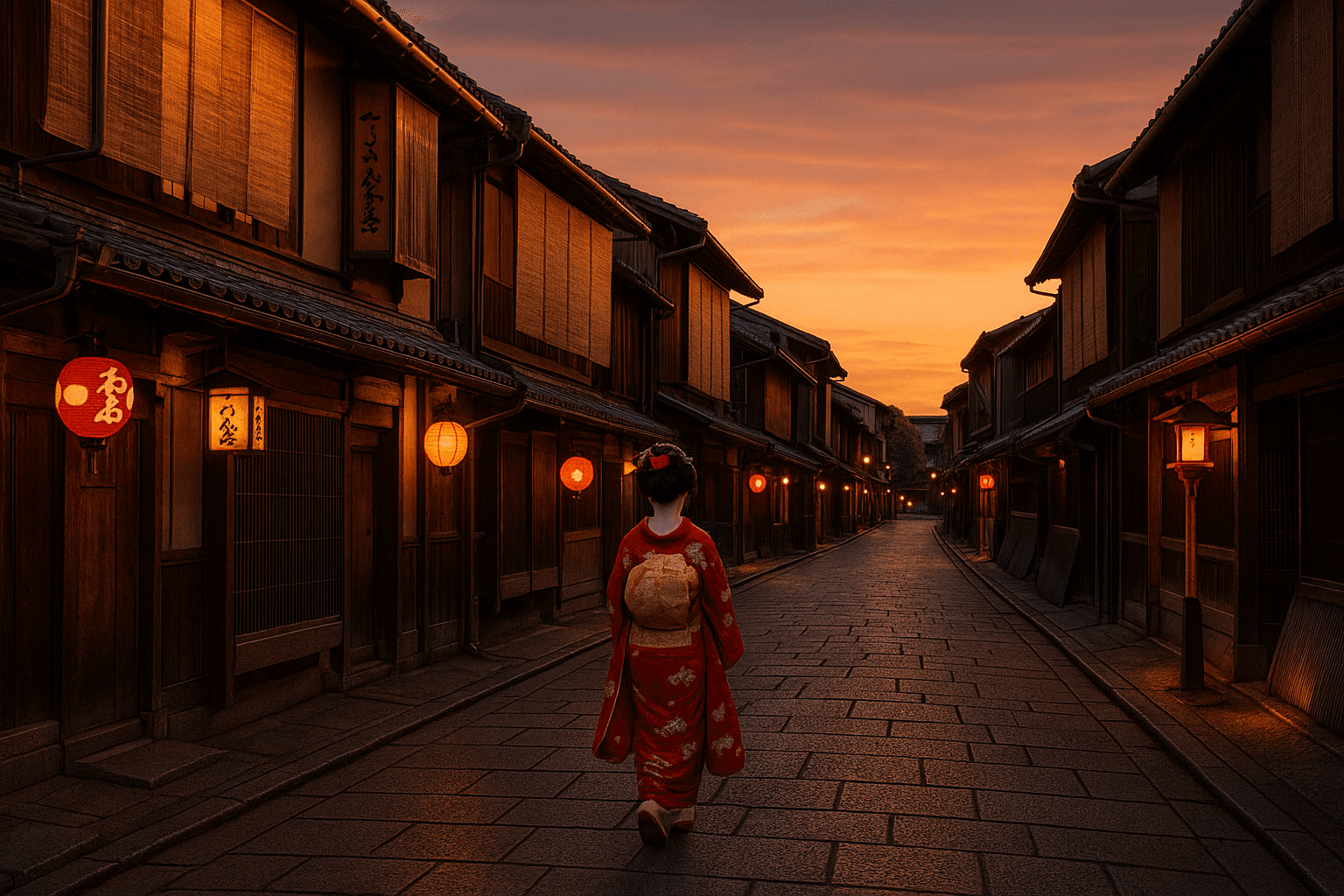
Gion
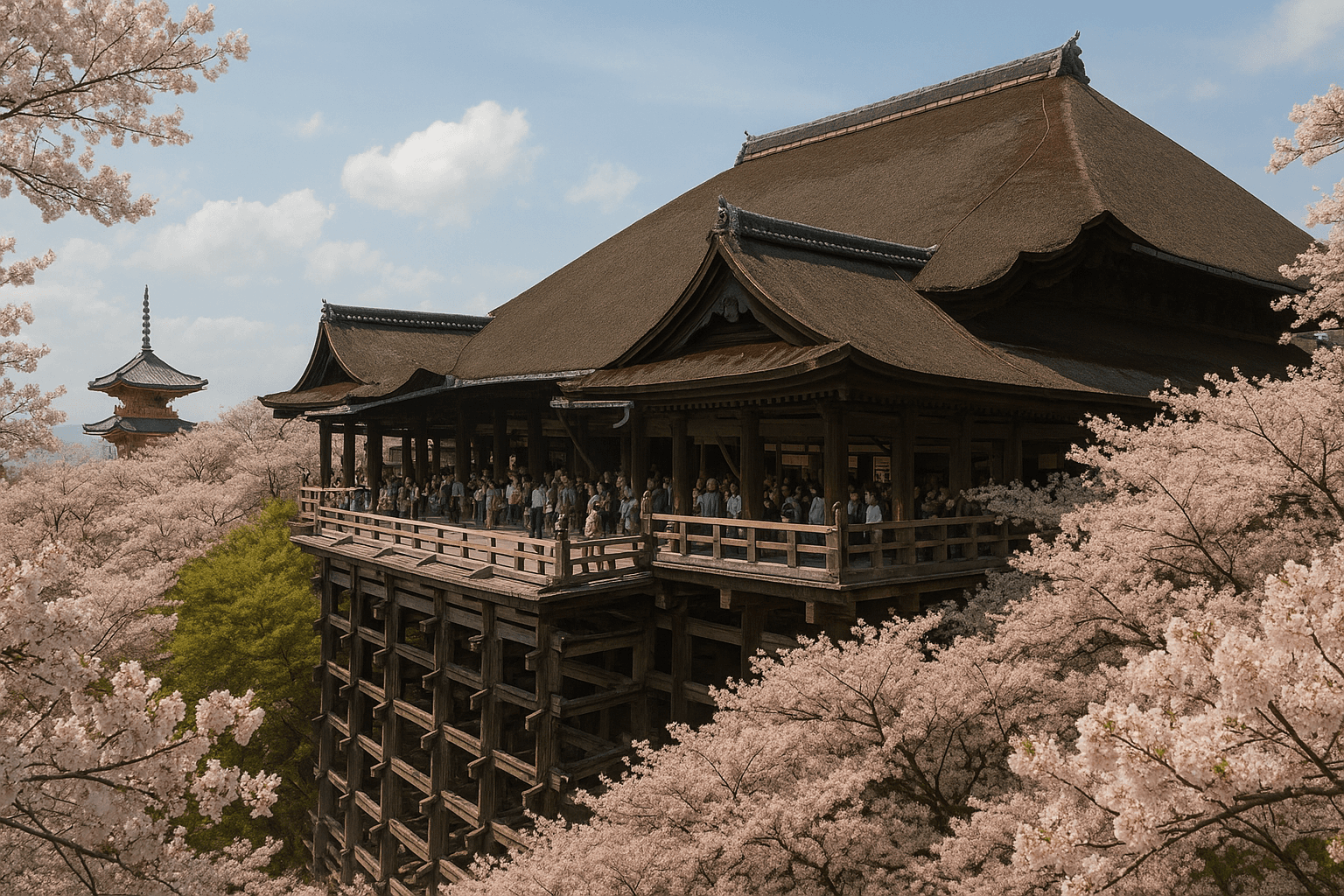
Kiyomizu-dera
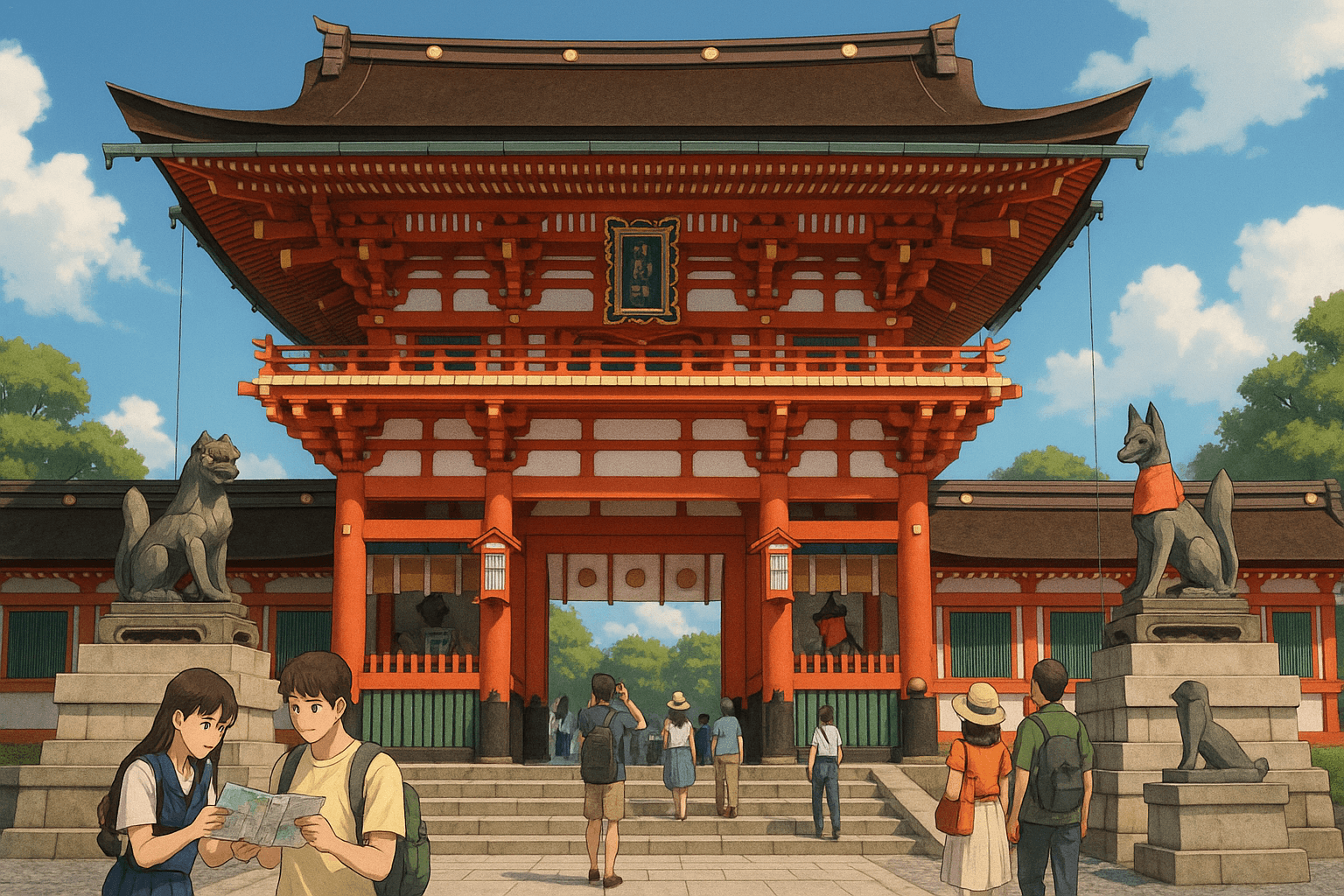
Fushimi Inari Taisha
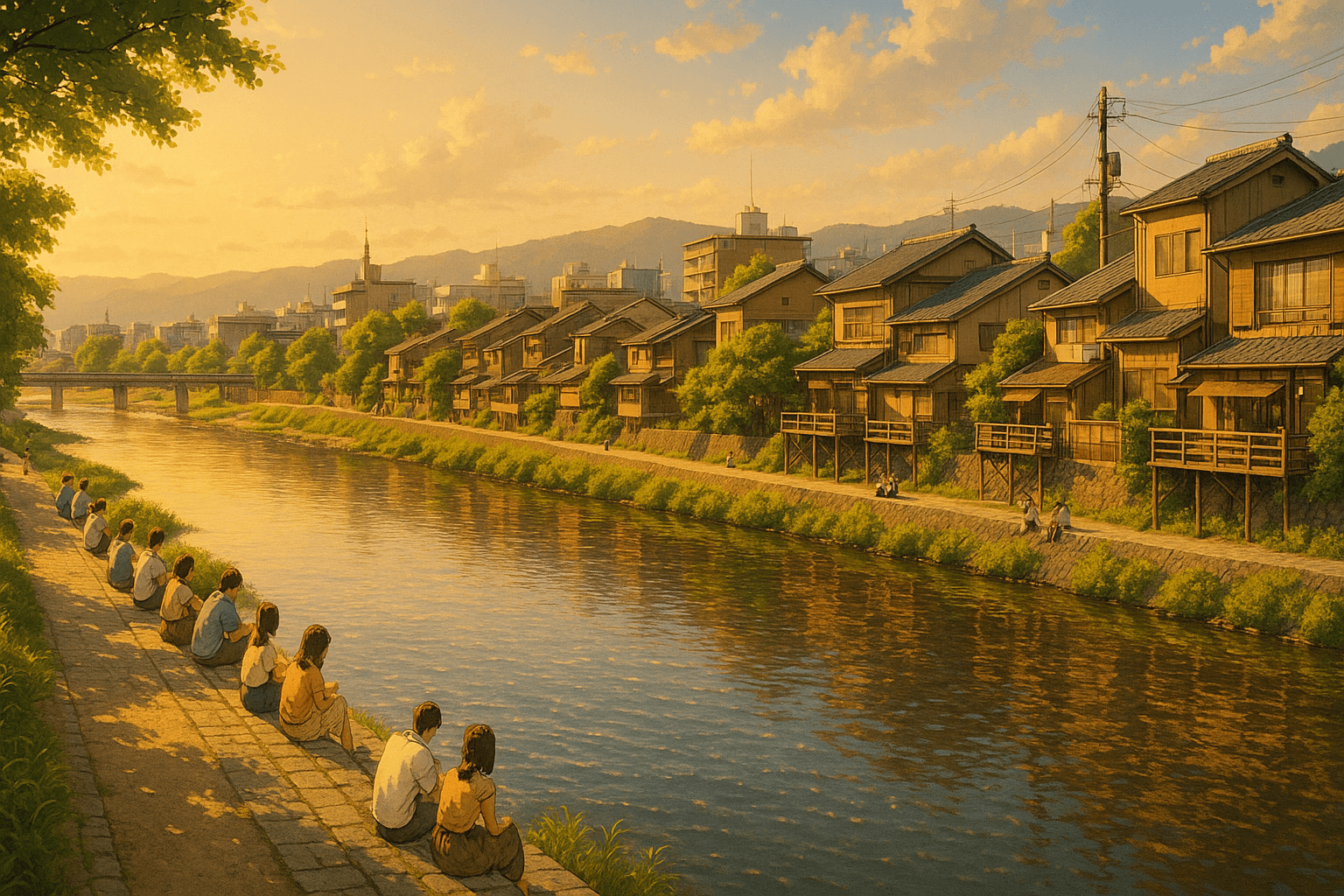
Kamo River
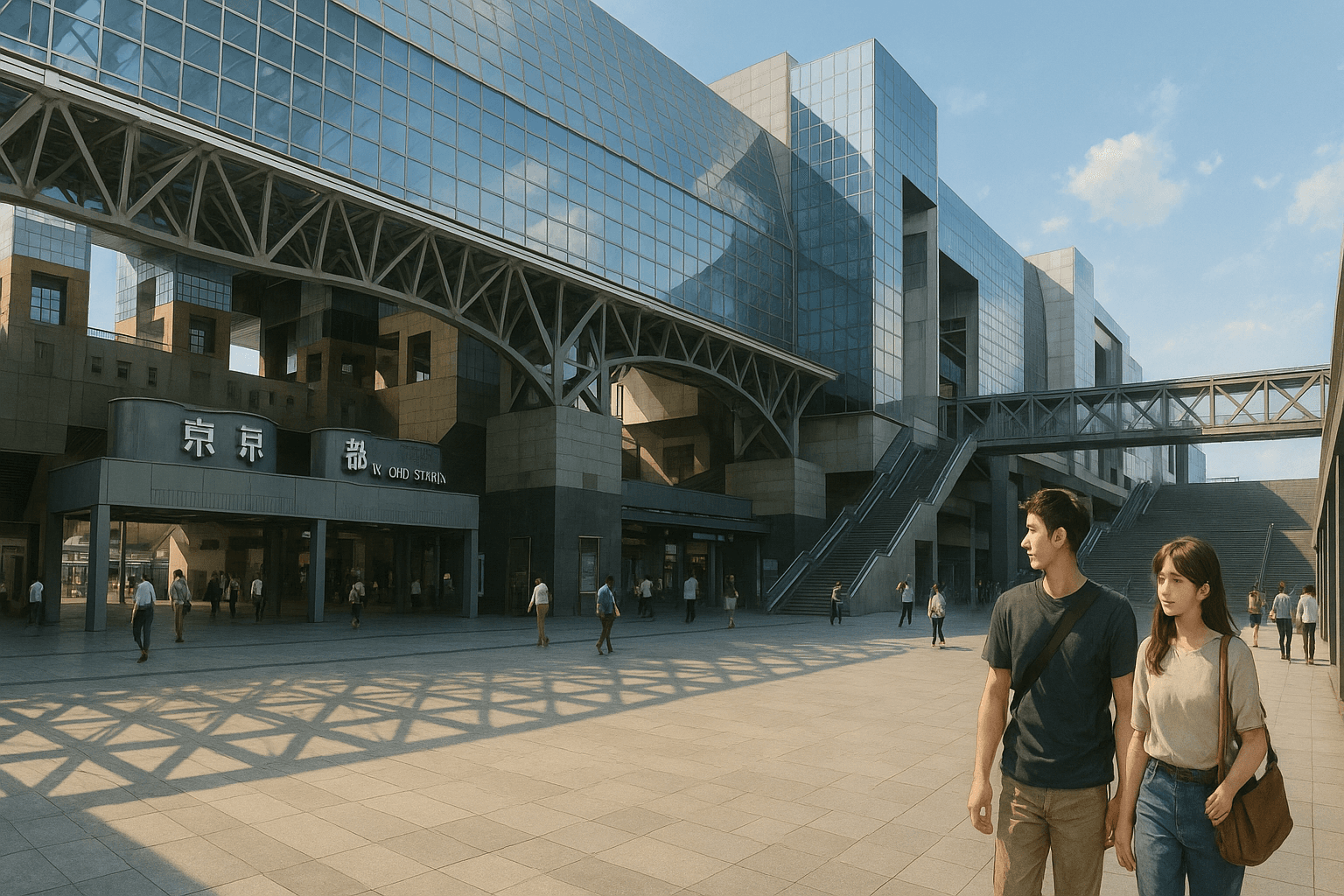
Kyoto Station
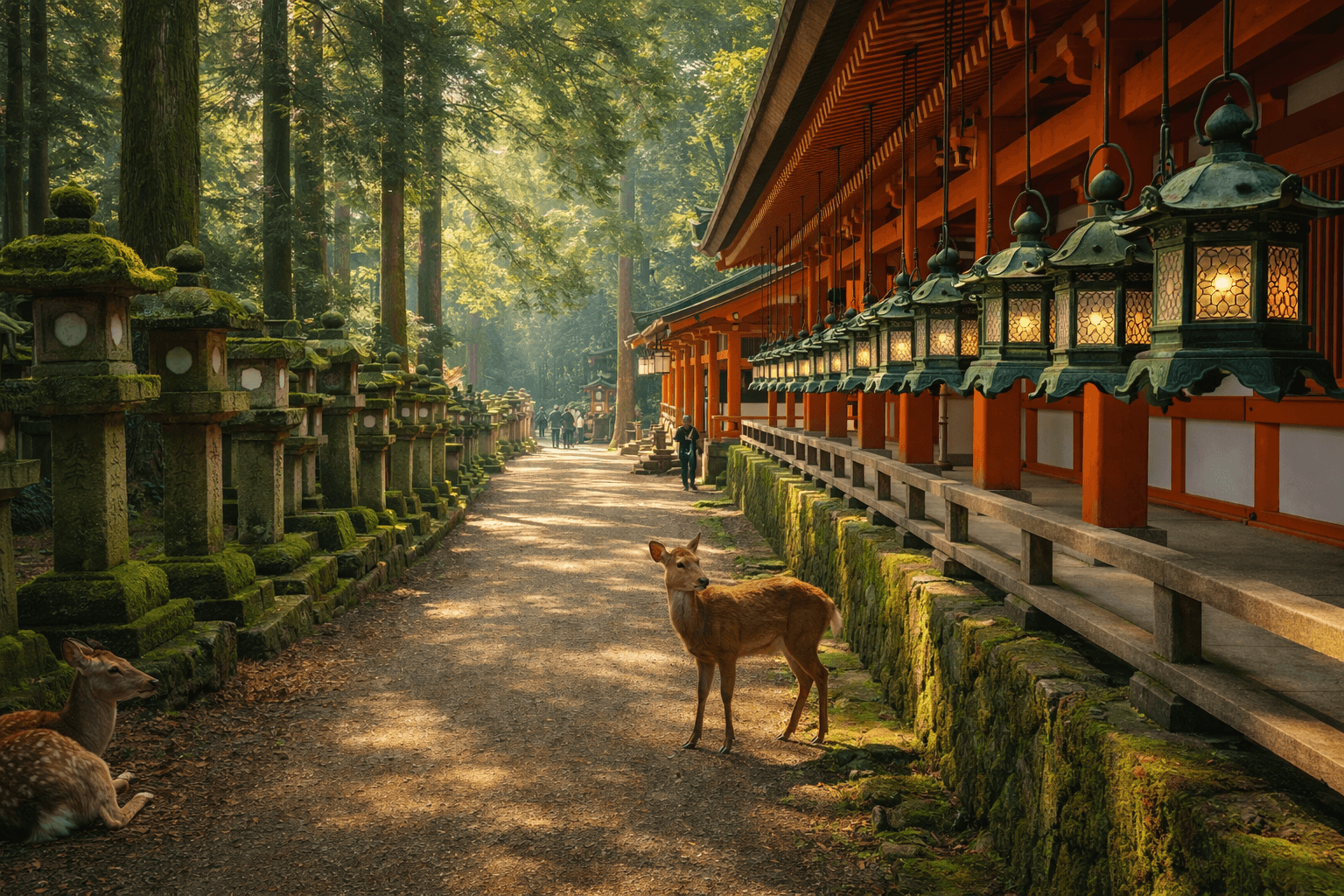
Kasuga Taisha
Kyoto Base — Nara & Osaka in 48 Hours
Arrive at Kyoto Station and wake to a city that blends lacquered tradition with everyday life. Start Day 1 with quiet temple lanes and vermilion gates, then hop a short train to Nara where friendly deer and giant Buddhas slow your pace in the best way. Night returns to Kyoto: wander Gion’s lantern-lit streets and imagine geisha footsteps.
Day 2 flips the script — a brisk, efficient train to Osaka for a delicious, louder contrast. Here you’ll savor street-food classics, neon reflections on canal water, and lively shopping arcades. The journey is short; the experiences are distinct: Kyoto’s timeless calm, Nara’s gentle history, Osaka’s culinary bravado.
Highlights and insights
- Kyoto mornings are best experienced before the crowds: temples and shrine approaches feel almost private at first light. Aim for Fushimi Inari early to enjoy the tunnel of torii without the buses of day-trippers.
- Nara is compact and walkable; the deer roam freely but expect to be gently persistent — carry a few crackers bought from authorized vendors if you want photos with them.
- Osaka moves faster and louder; prioritize a few high-quality food experiences (okonomiyaki, takoyaki, kushikatsu) rather than trying to eat everything.
- Public transit between these places is frequent and simple: JR lines and private rail connect Kyoto–Nara and Kyoto–Osaka; buy an IC card (ICOCA, Suica, or Pasmo) for convenience.
Story-style itinerary (time-of-day sections)
Morning — Kyoto calm and shrine light
Start at Kyoto Station and take the city’s pulse slowly: a short ride brings you to the orange gates of Fushimi Inari. Walk the lower shrine approach as sunlight warms the torii — each gate frames a new angle, a new quiet. Next, head north to Kiyomizu-dera’s hillside terraces; pause at the wooden veranda and drink in Kyoto’s patchwork of rooftops.
Midday — market flavors and narrow lanes
Return toward central Kyoto for Nishiki Market’s compact feast: fresh bites, pickled specialties, and artisan snacks perfect for sampling. Wander the adjoining historic lanes toward Gion; the afternoon light softens wooden machiya facades.
Afternoon — Nara’s gentle history
A short train ride takes you to Nara. Enter Nara Park and meet the deer under broad trees; they’re curious companions and excellent for candid photos. Visit Todai-ji to stand beneath the Great Buddha — the scale hushes crowds. Finish at Kasuga Taisha’s lanterned paths for an atmosphere that feels suspended in time.
Evening — back to Kyoto, Gion at dusk
Return to Kyoto Station, drop luggage if needed, then stroll Gion as lanterns light. If you spot a maiko or geiko, observe discreetly — this neighborhood is a living tradition. Dinner can be a refined kaiseki or a relaxed izakaya depending on mood.
Day 2 Morning — fast train to Osaka, castle view
Board an express to Osaka. Start with Osaka Castle and its park for a brisk historical contrast to Kyoto temples. The museum and high-view platform give a concrete sense of Osaka’s urban energy.
Midday — Dotonbori tastes and canal scenes
Move to Namba and Dotonbori for tactile, iconic eating: takoyaki stalls, okonomiyaki grills, and bold storefront signs. Lunch at a well-known local favourite puts you in the heart of Osaka’s food culture.
Afternoon — shopping and neon portraits
Explore Shinsaibashi-suji arcade and Amerikamura for boutique finds and souvenirs with style. Pause for photos at the Glico neon along the canal — late afternoon light into dusk provides great reflections.
Evening — return to Kyoto, relaxed nightcap
Return to Kyoto by train. If energy remains, a quiet walk near Kyoto Station’s modern rooftop or a short visit to Pontocho for riverside atmosphere rounds out the trip.